


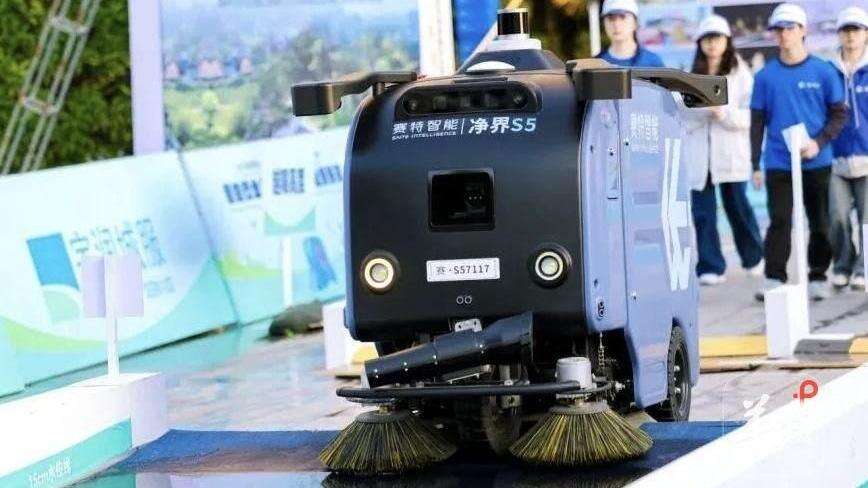
Latest data show that Shenzhen has deployed a total of 1,218 functional unmanned vehicles, ranking first among China's first-tier cities. These vehicles operate across 1,594 routes, with a combined mileage exceeding 5,500 kilometers, handling about 1.29 million delivery orders each month and generating a direct commercial value of more than 10 million yuan. A mature ecosystem driven by the market, supported by government oversight and underpinned by technology has taken shape, positioning Shenzhen's unmanned vehicles firmly at the forefront in China.
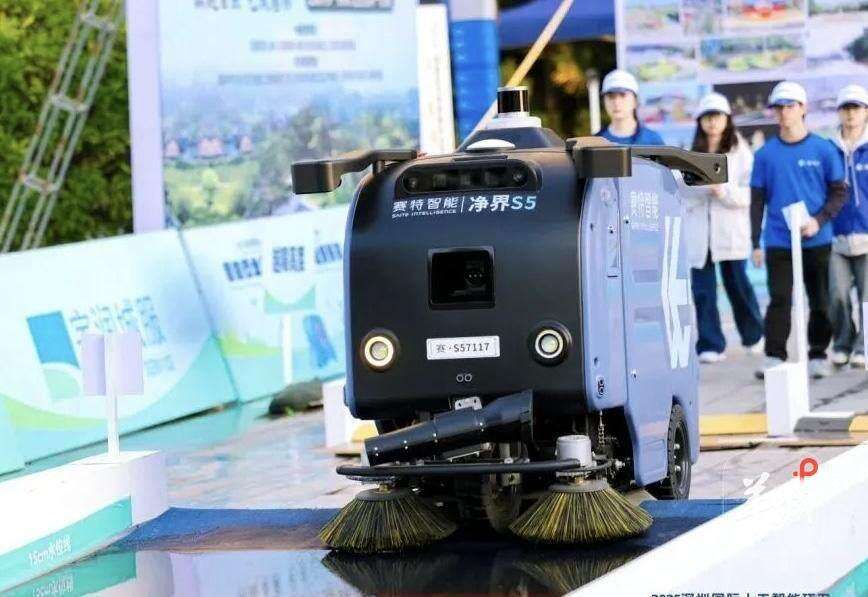
In large residential communities in Longhua District, unmanned vehicles shuttle parcels along fixed routes from terminal outlets to "pick-up, drop-off" stations. In the Shenzhen Biomedicine Innovations Industrial Park in Pingshan District, they precisely transport laboratory samples and laboratory consumables. In the underground spaces of the bustling Huaqiangbei commercial area in Futian District, they are even linked with the city's metro network, exploring a new model of "rail transit plus unmanned delivery". These routes connect commercial, industrial and residential areas, forming a dynamic citywide road network with a total length of more than 1,800 kilometers.
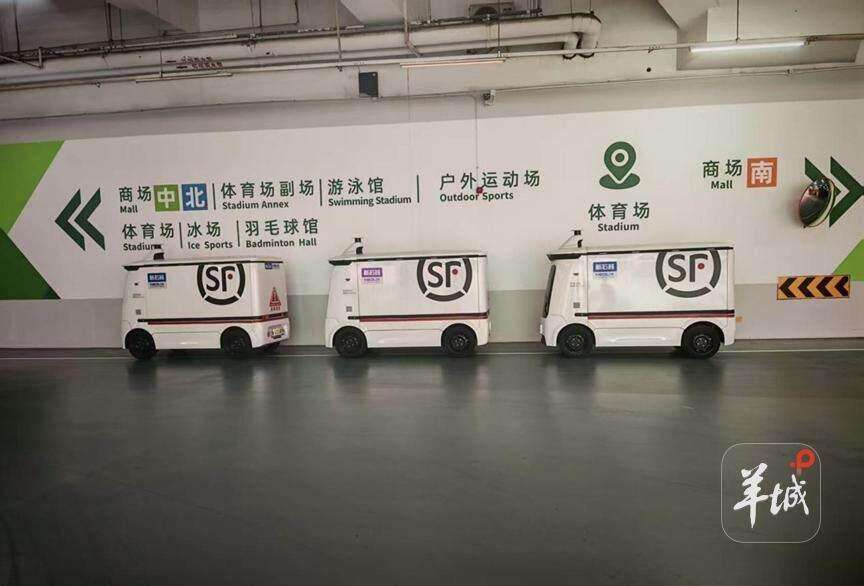
Taking a major client scenario with more than 600 daily shipments as an example, the traditional manual model required over 30 minutes from preparation to departure. After the introduction of unmanned vehicles, a preloaded dispatch model with rapid turnaround has reduced this process to within 10 minutes. Previously, a single outlet needed three vans and four drivers. Now, two unmanned vehicles supported by one safety supervisor are sufficient, boosting operational efficiency by nearly 70% and cutting overall costs by about 23%.
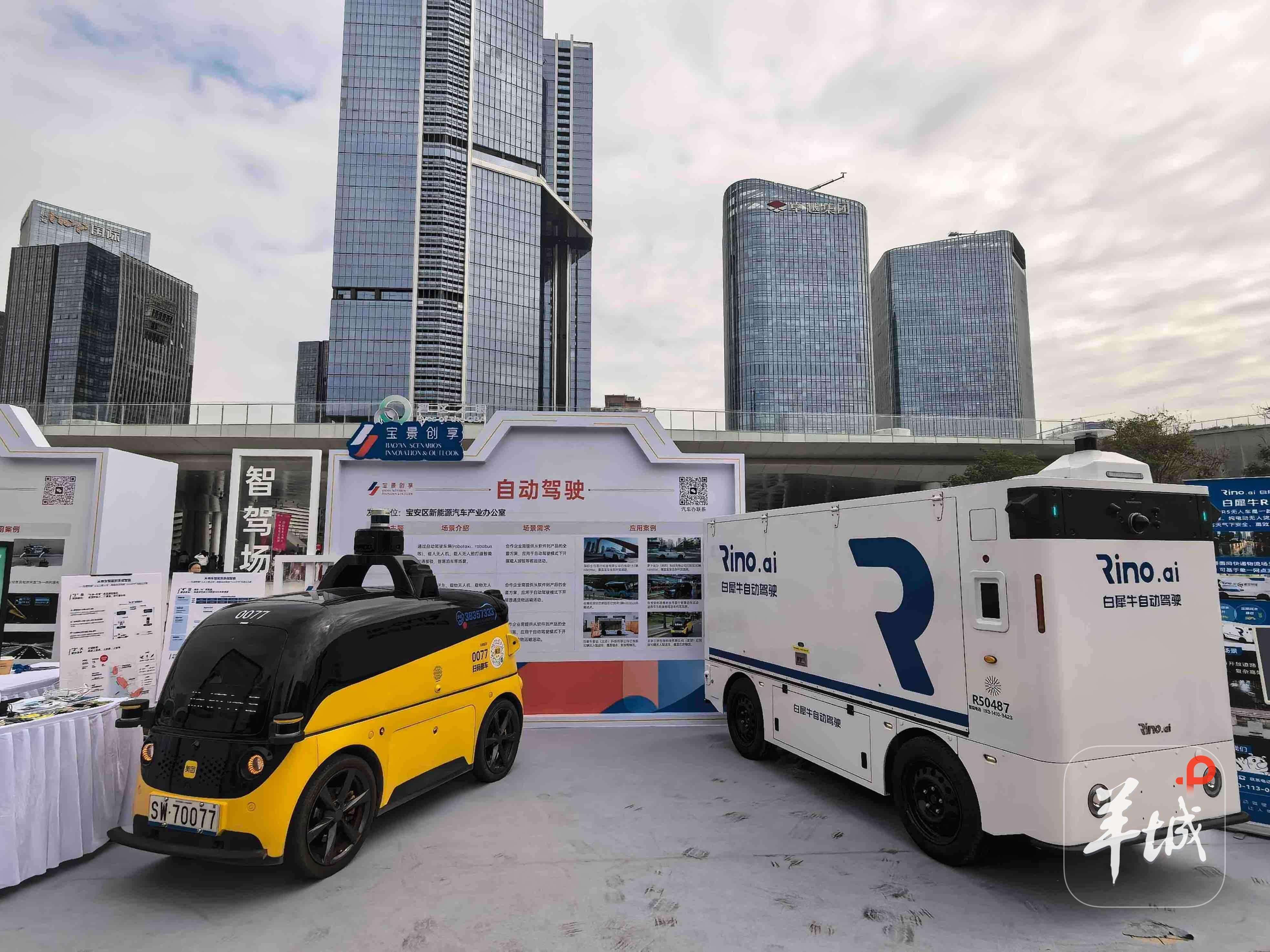
In July 2025, China's first management platform dedicated to functional unmanned vehicles was launched in Shenzhen. It enables full-process digital management covering road access approval, dynamic road rights management, real-time status monitoring and remote rescue operations. Companies can complete test applications and route approvals online, while government authorities can draw "dynamic road risk maps" based on real-time traffic data, assessing risks across six dimensions including road segments, lanes and time periods to achieve precise regulation.
AI+物流竞速,深圳无人物流车领跑中国
最新数据显示,深圳功能型无人车投放总量已达1218台,中国一线城市中位列第一。它们覆盖1594条线路,总里程超5500公里,月度完成配送订单约129万单,创造直接商业价值超千万元。一套由市场驱动、政府护航、技术支撑的成熟生态已然成形——深圳无人车,已然领跑中国。
在龙华区的大型社区,无人车沿固定线路将包裹从网点驳运至驿站;在坪山区的生物医药产业园,它们精准运输着实验样本与精密耗材;在福田华强北繁华的商圈地下,它们甚至与地铁接驳,探索“轨道交通+无人配送”的新模式。一条条线路串联起商业区、产业区与居住区,织就了一张覆盖全市、总长超1800公里的动态路网。
以日均发件超600件的大客户场景为例,传统人工模式下,从备货到出发需30分钟以上;引入无人车后,通过“预装货、送完即回”的循环模式,该环节被压缩至10分钟内。以往一个网点需3台面包车和4名司机,如今2台无人车搭配1名安全员即可覆盖,跑行效率提升近70%,综合成本降低约23%。
2025年7月,全国首个功能型无人车管理服务平台在深圳上线,实现了从上路审批、动态路权管理、实时状态监控到远程救援脱困的全流程数字化管理。企业可在线完成测试申请、线路审批;政府则能基于实时交通数据绘制“动态道路风险地图”,从路段、车道、时间等六个维度评估风险,实现精准管控。
统筹 | 记者 林园
文|记者 宋王群
图|深圳市交通运输局提供
译丨曾敏
英文审校丨林佳岱
-
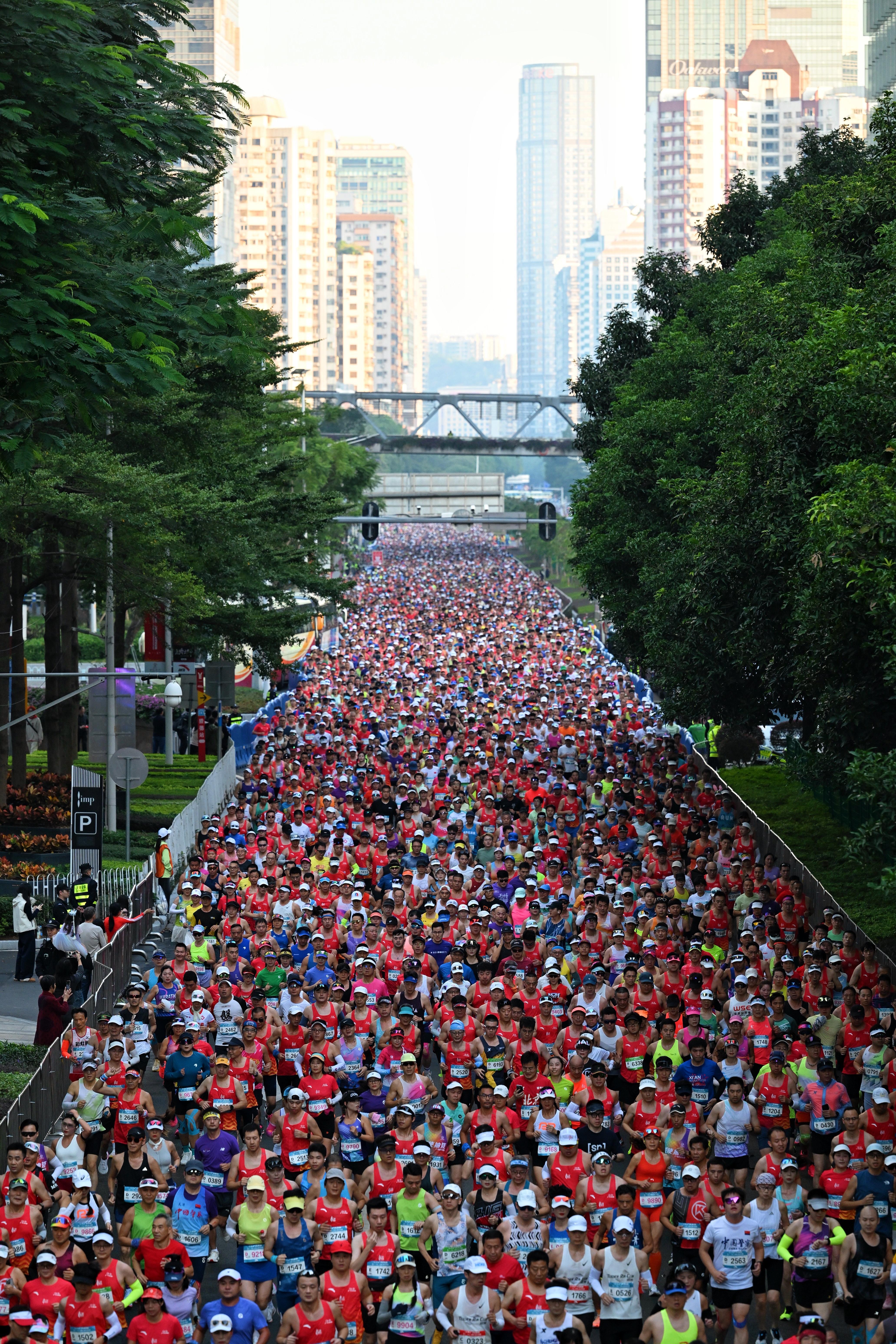 2025 Guangzhou Marathon successfully concludesAt 7:00 AM on December 21st, the highly anticipated 2025 Guangzhou Marathon kicked off at Tianhe Sports Center, illuminated by the sunrise in Lingnan.2025-12-21 21:56:59
 -
 South China's first domestic biological total knee replacement completed at Guangdong Second Provincial General Hospital"Had I known it would be this convenient, I should have come back long ago!"2025-12-21 21:57:01
 -
 Shenzhen leads Chinese cities in unmanned deliveryLatest data show that Shenzhen has deployed a total of 1,218 functional unmanned vehicles2025-12-21 21:57:02
 -
 Hainan's island-wide customs closure brings new opportunities to GBAA large share bound for neighboring Guangdong just across the sea2025-12-20 22:47:20