


On December 1st, the "Understanding China" Conference (Guangzhou) officially kicked off under the theme "New Plan, New Development, New Choices—Chinese Modernization and New Vision for Global Governance." What wisdom does Chinese modernization embody? What insights does it offer the world? As China enters its first year of the 15th Five-Year Plan, how will it advance toward higher-level opening-up? Zheng Yongnian, Dean of the School of Public Policy (SPP) of the Chinese University of Hong Kong, Shenzhen and President of the Institute for International Affairs, Qianhai, offered his answers in an interview with Yangcheng Evening News.
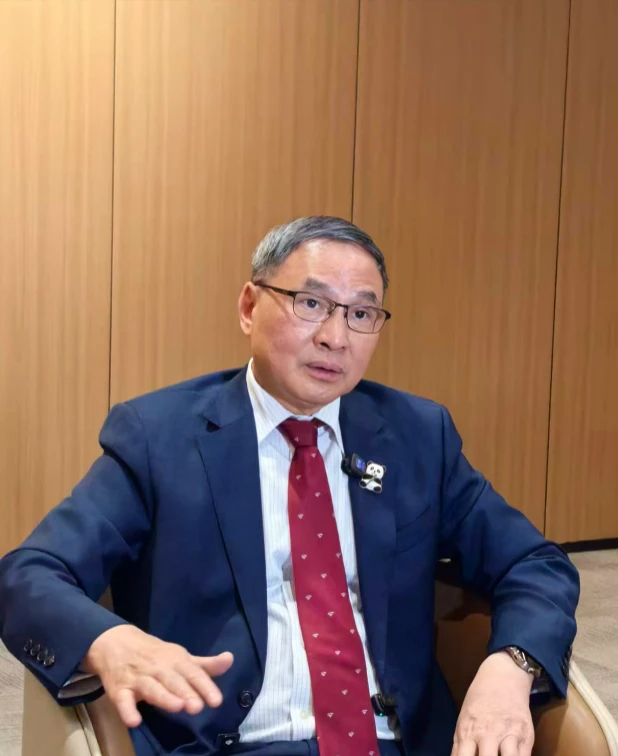
Zheng noted that Chinese modernization is, first and foremost, the modernization of common prosperity for all. "Common prosperity benefits all social groups. If income gaps grow too wide, a society can't remain stable. Extending this to the international stage, when the wealth gap between nations becomes excessive, global society will be overly polarized, giving rise to nationalism and even triggering conflicts and wars," he said.
He stressed that Chinese modernization differs from that of the United States and other Western countries. "After achieving modernization, the United States imposes numerous conditions to restrict the development of other countries. China, by contrast, helps developing countries achieve modernization. For example, we are helping some developing countries build infrastructure such as highways, hospitals, and schools, providing tangible support for local development."
Zheng further pointed out that the success of Chinese modernization lies in unifying the principles of embracing the world and following our own path. He believes Chinese modernization welcomes the world and draws on diverse global experiences while firmly pursuing China's own development path. "Western countries, in pursuing their own advancement, have often 'kicked away the ladder' to prevent others from catching up. However, we are willing to share our experience and help other countries progress together. This is the community with a shared future for mankind that we aim to build."
郑永年:“开源”的中国式现代化让世界共享机遇
12月1日,2025“读懂中国”国际会议(广州)正式开幕,本次大会的主题是“新布局 新发展 新选择 中国式现代化与全球治理新格局”。中国式现代化蕴藏着中国怎样的智慧?中国式现代化为世界带来什么样的启示?在中国迈入“十五五”开局之年的大背景下,中国将怎样迈向更高水平的开放?香港中文大学(深圳)公共政策学院院长、前海国际事务研究院院长郑永年在接受羊城晚报记者采访时给出了答案。
郑永年指出,中国式现代化首先是全民共同富裕的现代化。“共同富裕对所有社会群体都有好处,如果收入差距太大,那么社会就不会稳定。而延伸至国际舞台,当国家之间贫富差距过大时,国际社会就会过度分化,还会滋生民族主义,甚至引发冲突和战争。”
他特别强调,中国式现代化与美西方国家的现代化是不一样的,“美国实现现代化后,他们会提出很多条件来限制其他国家的发展,而中国却是帮助发展中国家实现现代化,例如,我们正在帮助一些发展中国家建设高速公路、医院、学校等基础设施,切实助力当地发展。”
他进一步指出,中国式现代化的成功,还在于“拥抱世界与走自己的路”的统一。他认为,中国式现代化在拥抱世界、吸纳多元经验的同时,又坚定走自己的发展道路。“西方国家在不断实现自身发展的过程中,只知道‘踢开梯子’,阻碍其他国家追赶;而我们则愿意给其他国家分享经验,带他们也一起进步,这就是我们要构建的人类命运共同体。”
文|记者 王瑜瑛 王漫琪
图|记者 王漫琪
视频 | 王瑜瑛 王漫琪 实习生 洪琪翔
翻译|盛嘉
审校|林佳岱
-
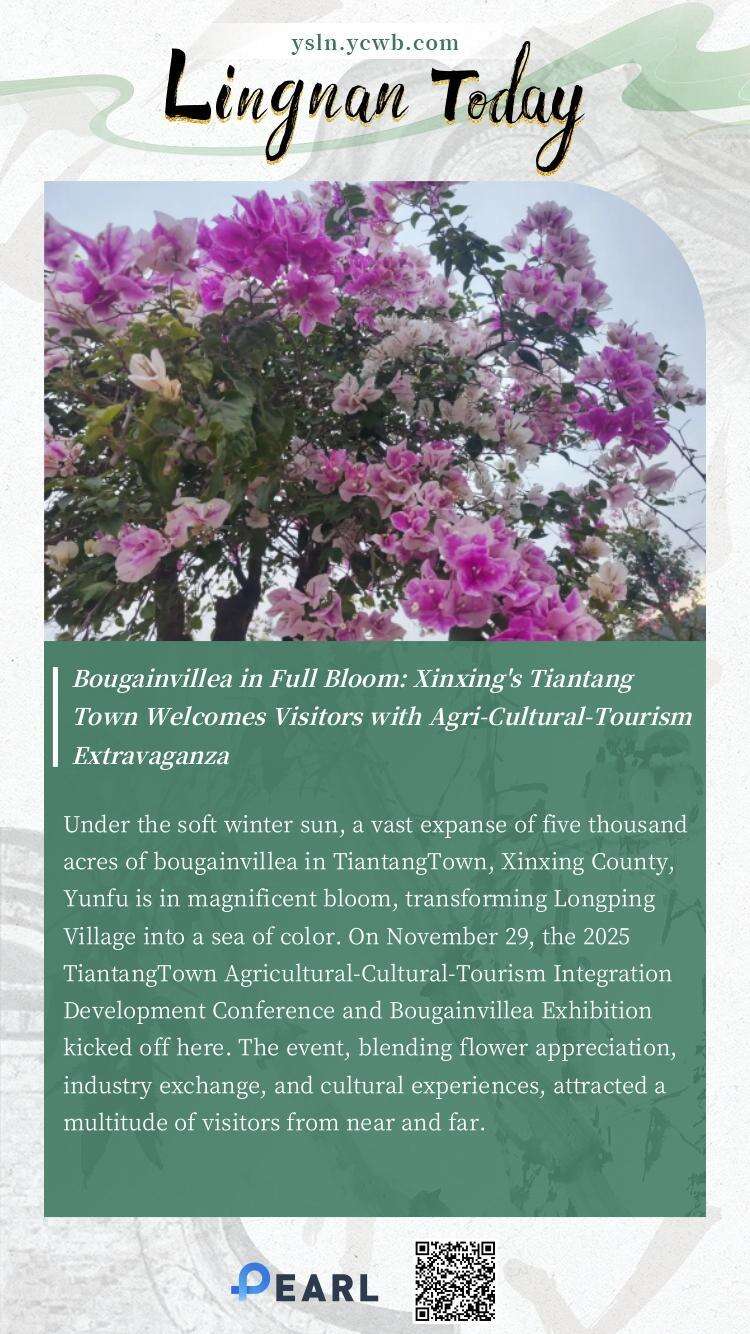 Poster丨Bougainvillea in Full Bloom: Xinxing's Tiantang Town Welcomes Visitors with Agri-Cultural-Tourism Extravaganza2025-12-02 21:29:50
 -
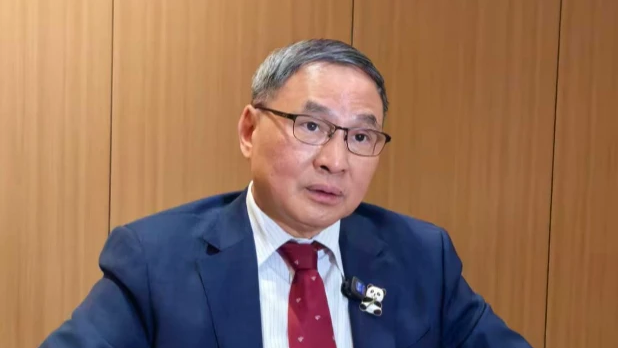 Video | Zheng Yongnian: Chinese path to modernization offers shared opportunities for worldOn December 1st, the "Understanding China" Conference (Guangzhou) officially kicked off under the theme "New Plan, New Development, New Choices—Chinese Modernization and New Vision for Global Governance."
2025-12-02 22:26:44 -
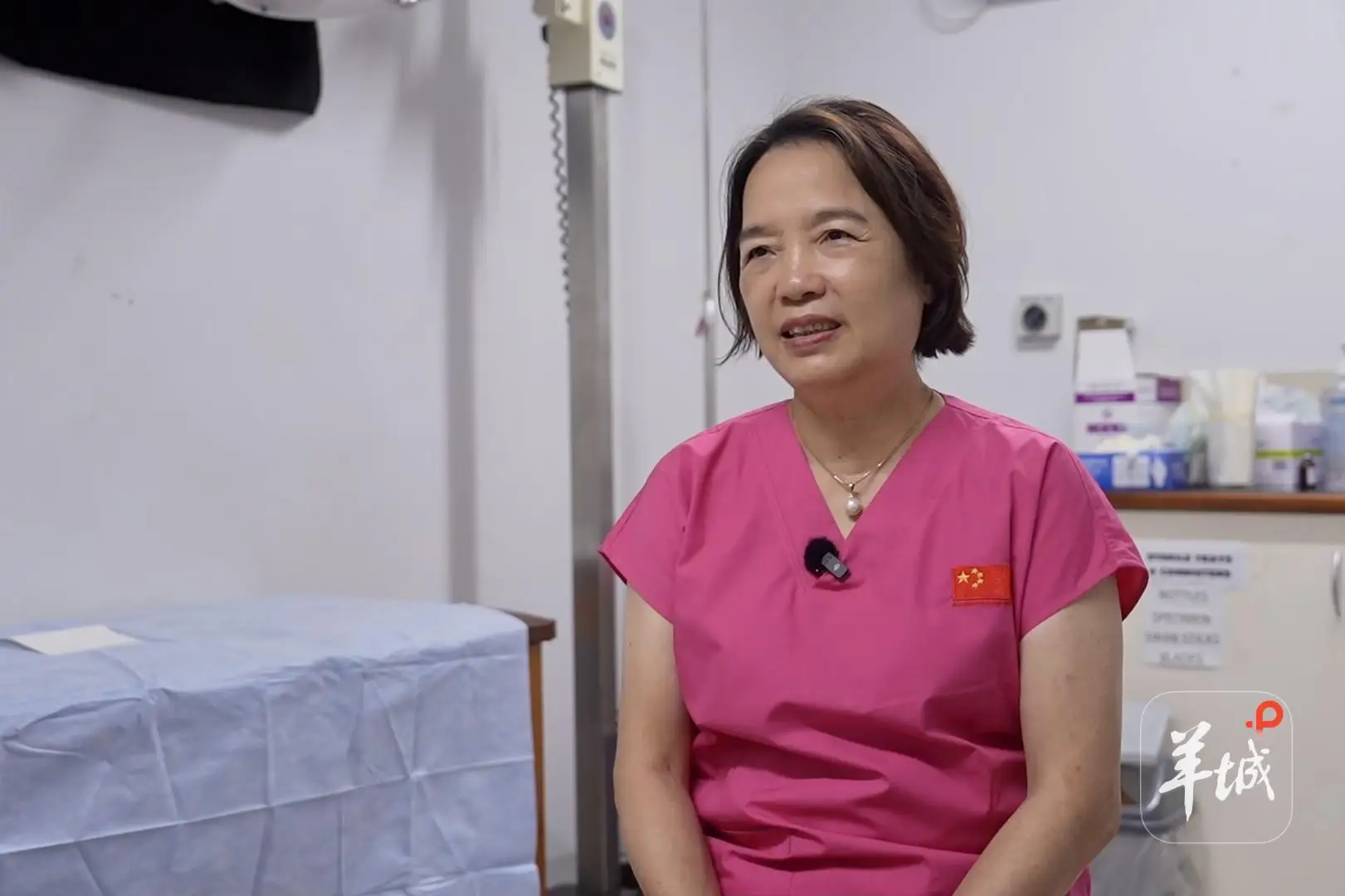 Video | Guangdong ophthalmologist shares overseas medical aid practices | South Pacific Medical AidTen years ago, the "Bright Journey" medical team from the Zhongshan Ophthalmic Center of Sun Yat-sen University embarked on its medical aid mission in Fiji.2025-12-02 22:26:43
 -
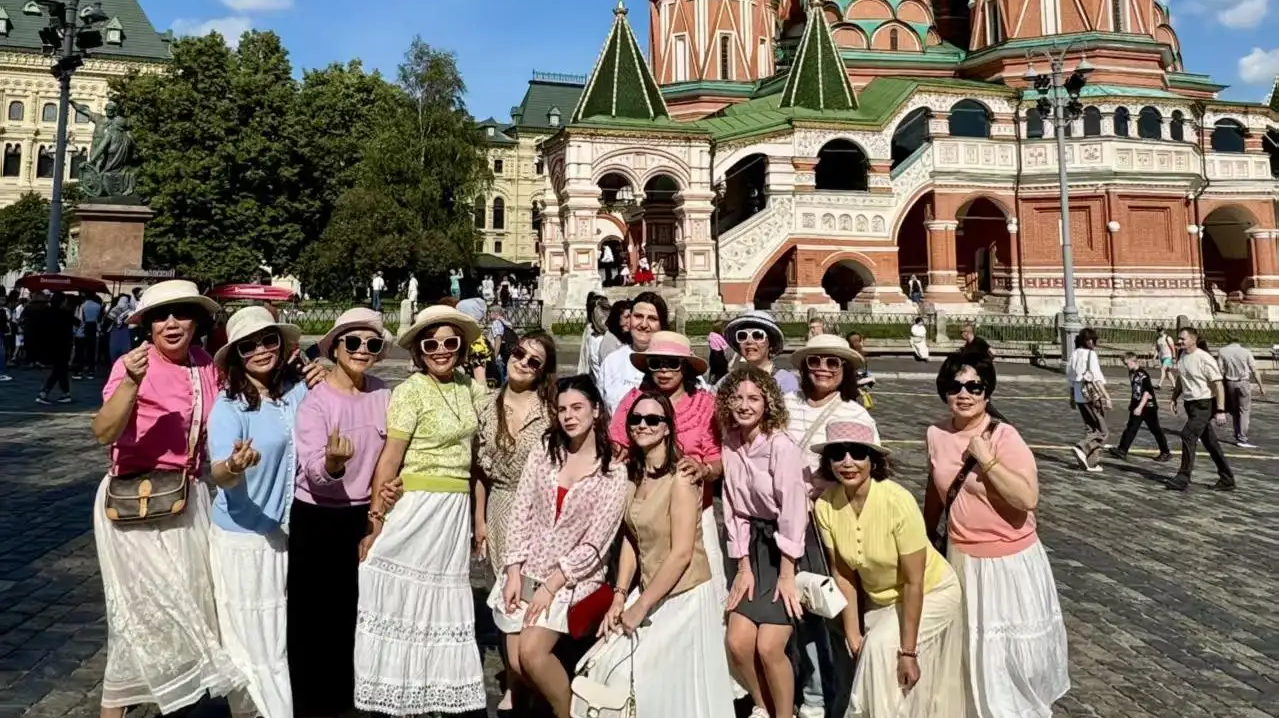 Visa-free policy spurs China-Russia tourismOn December 1st, President Vladimir Putin signed a decree that, effective immediately and valid until September 14th, 2026, allows Chinese citizens to travel to Russia for tourism or business visa-free, with each stay permitted for up to 30 days per visit.2025-12-02 22:26:42