


On December 1st, President Vladimir Putin signed a decree that, effective immediately and valid until September 14th, 2026, allows Chinese citizens to travel to Russia for tourism or business visa-free, with each stay permitted for up to 30 days per visit. This new policy has already sparked a sharp surge in travel demand.
Data from multiple travel platforms show a dramatic spike in travelers' interest in visiting Russia: within one hour of the announcement on Fliggy, flight-search volume for Russia surged more than eightfold, and bookings nearly quintupled, with Moscow, Murmansk and other destinations among the most sought-after. By 5:00 PM that same day, another travel platform umetrip, reported nearly a fivefold increase in search activity. On the Qunar platform, departures from Beijing, Shanghai, Guangzhou and other cities surged, searches for the Hangzhou-St. Petersburg route rose 3.6 times in one hour, and routes from Guangzhou doubled. Meanwhile, on the Tongcheng platform, Russia-related search volumes increased by more than twice within 30 minutes, with Guangzhou ranking among the top three source cities by growth. As of now, flight prices to Russia through next February remain stable, with a modest peak expected around the Chinese New Year holiday.

The visa-free policy appears to have a catalytic effect in both directions. According to Trip, following China's visa waiver for Russia, flight and hotel bookings for Russian tourists entering China rose by 190% and 213% year-on-year, respectively, with Guangzhou and Shenzhen among the top ten destination cities. Industry analysts say the move will drive better integration of tourism resources, and that border-area travel and multi-destination regional travel may become new growth engines. In particular, cross-border tours through border crossings in Heilongjiang are poised for a boom, driven by increasing interest in snow and ice season tourism.

A trend toward younger outbound travelers is also becoming clear. According to data from GZL International Travel Service Ltd., in 2025 both the number of tourists on Russia-bound routes and related revenue increased by 38% and 37% year-on-year, respectively, and tours are increasingly curated and theme-based; among Russia holiday tours this year, nearly 48% of participants were young travelers, a 389% increase compared to 2019. The low entry barrier, affordability, and alignment with holiday schedules have made Russia a new favorite among young adult travelers.
免签促中俄旅游“双向奔赴”:今起中国公民赴俄罗斯旅游可享免签
12月1日,普京签署命令,即日起至2026年9月14日,中国公民可免签以旅游、商务目的赴俄,每次可停留不超30天,新政迅速激活出行意愿。
平台数据显示热度暴涨:飞猪消息发布1小时内,赴俄机票搜索量环比增超8倍,预订量涨近5倍,莫斯科、摩尔曼斯克等城市受青睐;航旅纵横截至当日17时,搜索量增近5倍;去哪儿平台北京、上海、广州等城市为热门出发地,杭州-圣彼得堡航线1小时搜索量涨3.6倍,广州航线涨1倍;同程半小时内相关搜索量涨超2倍,广州跻身涨幅前三,当前至明年2月赴俄机票价格平稳,春节前后达小高峰。
免签呈现双向催化效应,携程数据显示,中国对俄免签后,俄入境游客机票、酒店预订量同比分别增190%、213%,广深位列客流前十目的地。行业分析师指出,此举推动旅游资源整合,边境游、区域联游或成新增长点,黑龙江边境口岸出入境游有望爆发,冰雪游吸引力提升。
出境游年轻化趋势凸显,广之旅数据显示,俄线路出游人数、营收额同比2024年分别升38%、37%,呈精品化、主题化特征,今年假期赴俄团年轻客群占比达48%,较2019年增389%,低门槛、适配消费及假期适配性使其成年轻旅行者新宠。
文 | 记者 刘星彤
图 | 受访者提供
译 | 郑奕玲
审 | 林佳岱
-
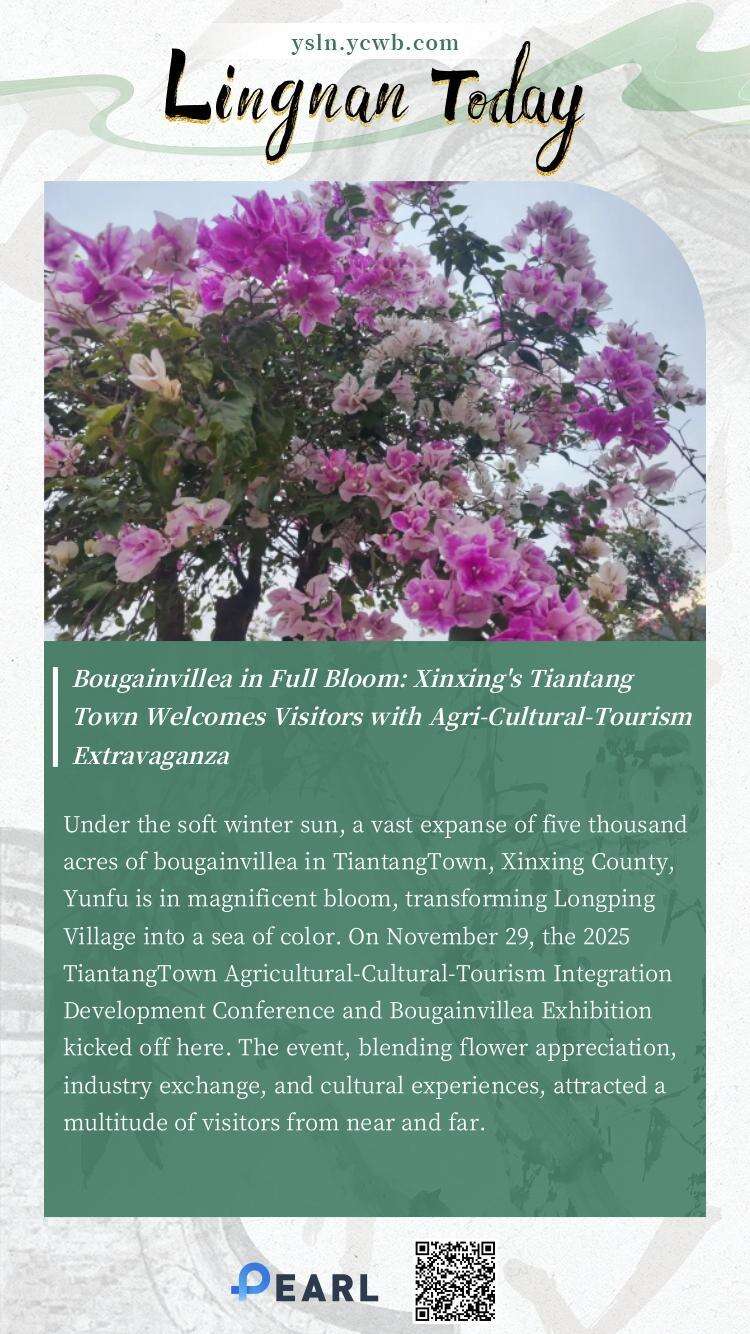 Poster丨Bougainvillea in Full Bloom: Xinxing's Tiantang Town Welcomes Visitors with Agri-Cultural-Tourism Extravaganza2025-12-02 21:29:50
 -
Bougainvillea in Full Bloom: Xinxing's Tiantang Town Welcomes Visitors with Agri-Cultural-Tourism ExtravaganzaUnder the soft winter sun, a vast expanse of five thousand acres of bougainvillea in TiantangTown, Xinxing County, Yunfu is in magnificent bloom, transforming Longping Village into a sea of color.2025-12-02 21:03:44
-
Xinhui: The “Hometown of Chenpi” Strikes Up a New Tune of Integrated Agri-Cultural TourismIn 2024, Xinhui Chenpi ranked first in the "Top 100 Regional Agricultural Industry Brand Influence Index in China" for the third consecutive year.2025-12-02 21:03:55
-
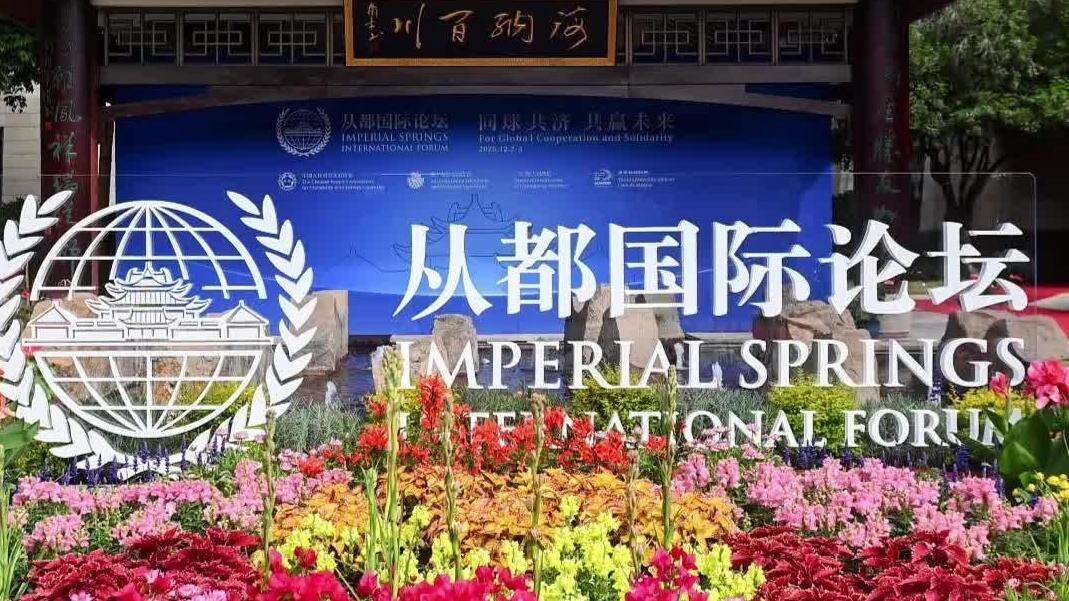 Video | 2025 Imperial Springs International Forum opens! Highlights in 20 seconds 2025从都国际论坛开幕!20秒速览On December 2nd, 2025 Imperial Springs International Forum opened in Guangzhou, Guangdong.This year's forum is themed For Global Cooperation and Solidarity." More than 200 guests, including over 30 former heads of state, government leaders, and heads of international organizations from around the world, along with more than 100 renowned Chinese and foreign experts, scholars, international friends, and business leaders, gathered to discuss major issues concerning global development.2025-12-02 15:00:27