


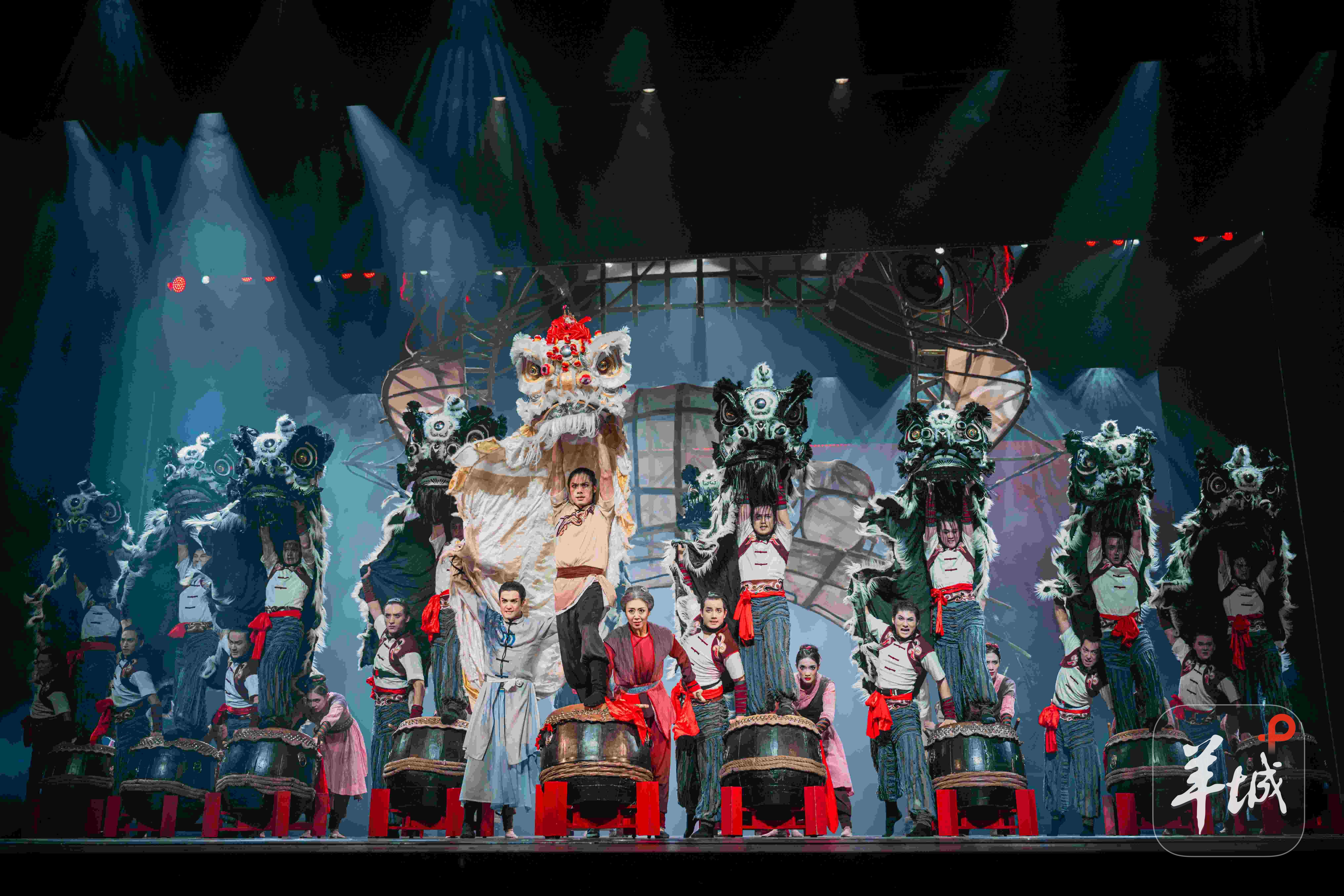
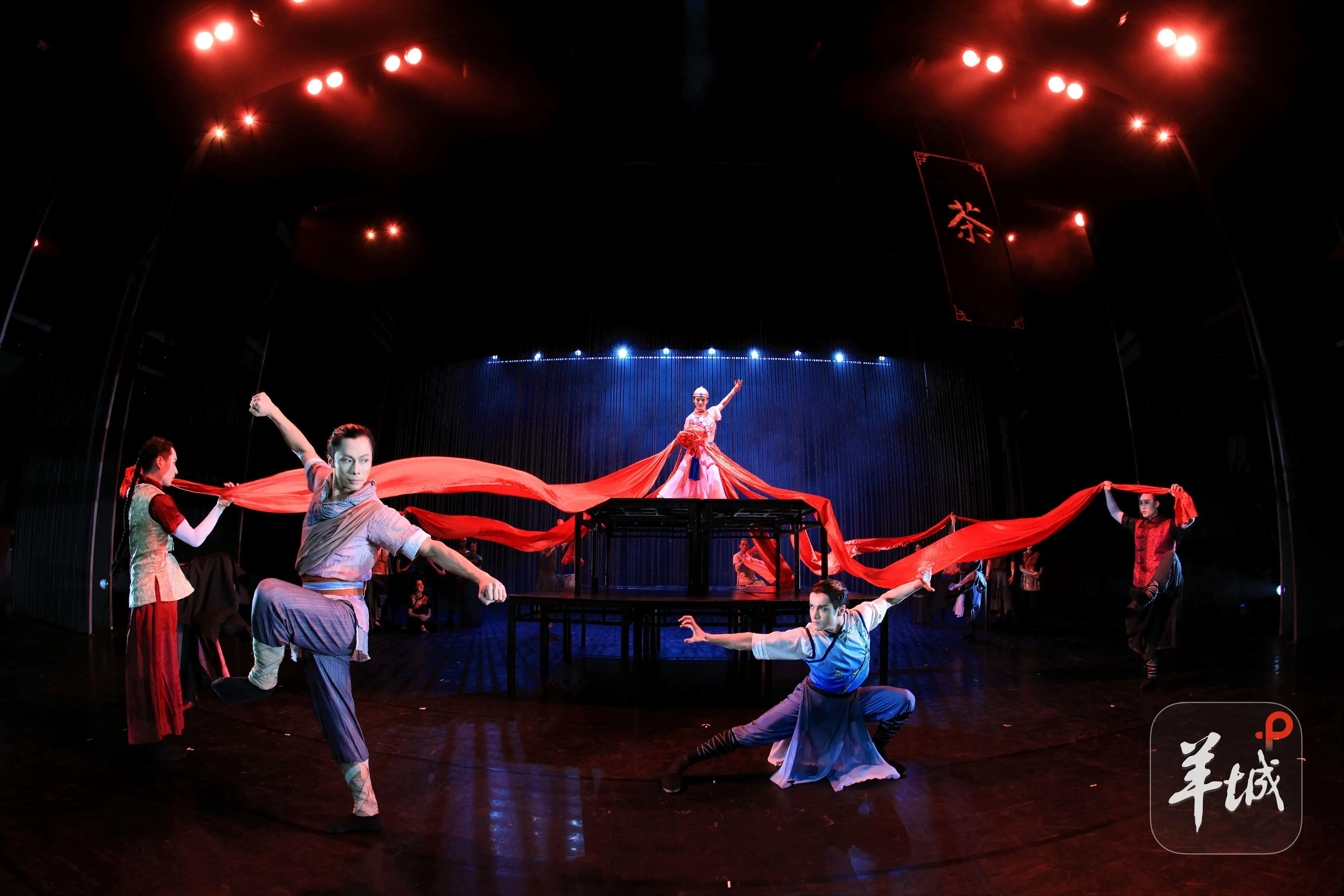
On November 4th, the winners of the 18th Wenhua Award were announced. Guangdong took home three awards, ranking second nationwide by total number of awards. The dance drama "Awakening Lion" by the Guangzhou Song and Dance Theatre received the Wenhua Play Award; the director Zhang Manjun of the Cantonese opera "Samsui Women" by the Guangdong Cantonese Opera Theatre won the Wenhua Director Award; and the playwright Wang Yong of the opera "Qiaopi" by the Zhuhai Performing Arts Group earned the Wenhua Playwright Award.
The evaluation criteria for the 18th Wenhua Award were significantly revised: the premiere date of the nominated productions was extended from the past five years to the past ten years, and a clear requirement was introduced that productions must average more than ten performances per year, highlighting a dual emphasis on a work's sustainable impact and its commercial viability.
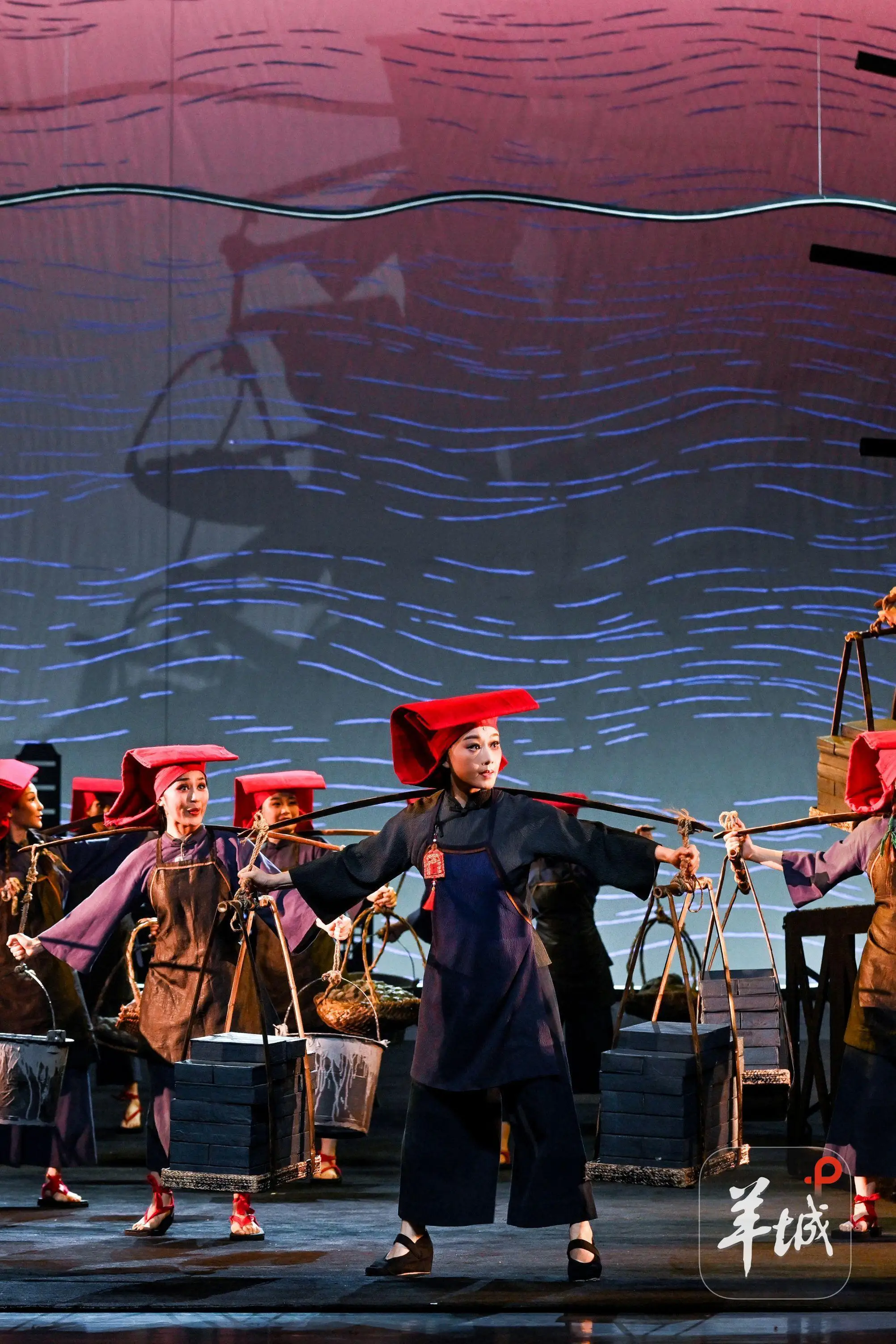
The three winning works all share long-term development and deep stage practice: "Awakening Lion," after ten years of refinement, evolved from the 2015 small-scale dance work "Awake" into a flagship production with over 300 touring performances; "Samsui Women" has had nearly a hundred performances across more than 20 domestic and international cities; "Qiaopi," produced by a prefecture-level city troupe, has now toured extensively across China with more than 60 performances.
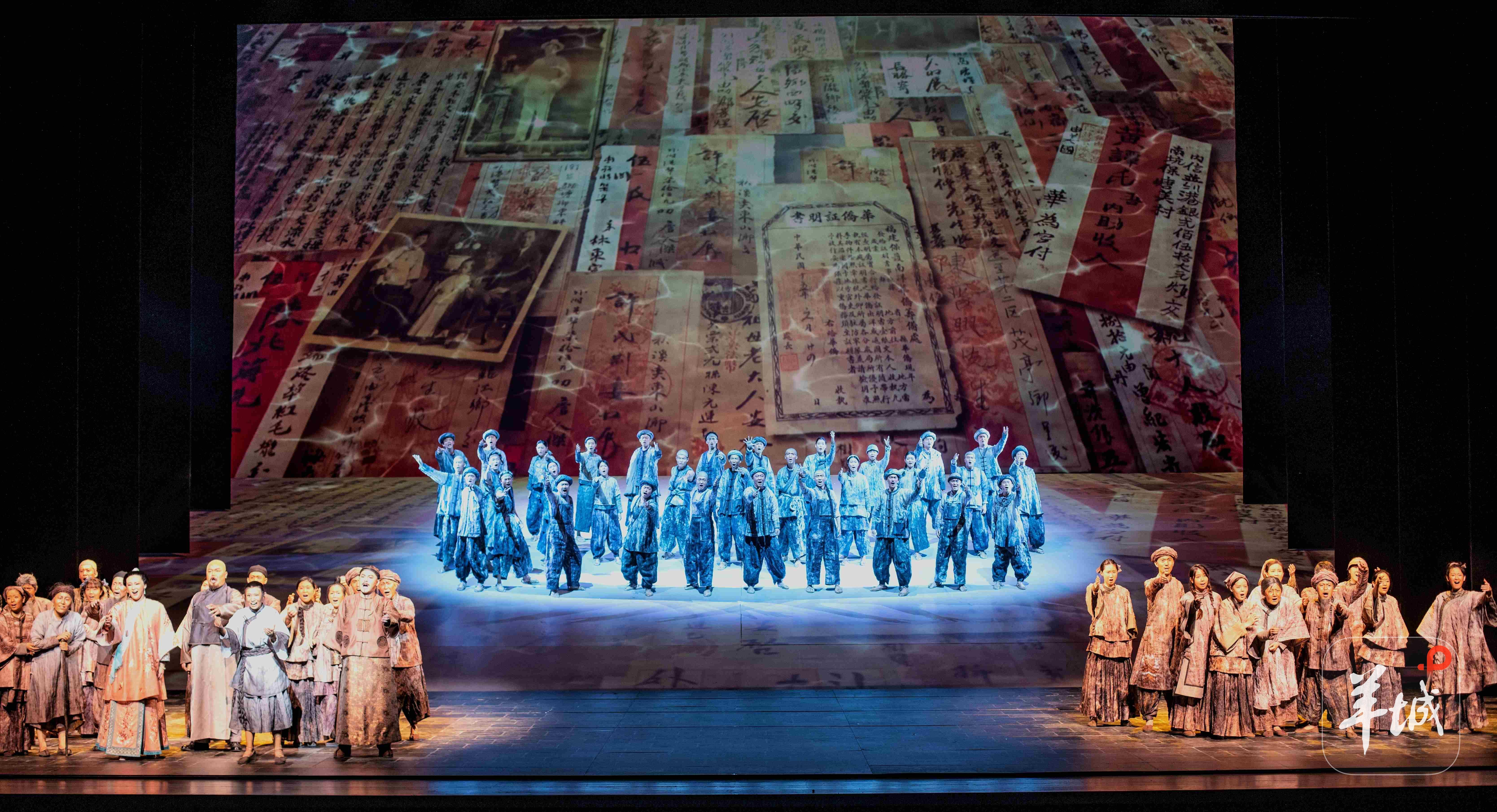
All three winning works are rooted in the fertile cultural soil of Lingnan: "Awakening Lion" centers on the intangible cultural heritage of Guangdong Lion Dance, integrating Nanquan (martial art), Muyu songs (wooden-fish songs), and other cultural symbols to create a distinctive dance lexicon; "Samsui Women" focuses on the overseas struggle of the women from Foshan, Sanshui, showcasing the power of Lingnan women; "Qiaopi" excavates the history in hometowns of overseas Chinese, telling a story of China embedded in Lingnan's cultural memory.
The Guangdong-Hong Kong-Macao Greater Bay Area boasts unique Lingnan cultural IPs such as lion dance, Cantonese opera, and qiaopi culture, as well as distinct historical memories such as reform and opening-up, migration of aristocratic clans from northern China to southern China ("衣冠南渡"), going down to Nanyang ("下南洋"), and the Lingnan painting school. These constitute the core advantages enabling Guangdong's performing arts to gain a competitive edge through differentiation.
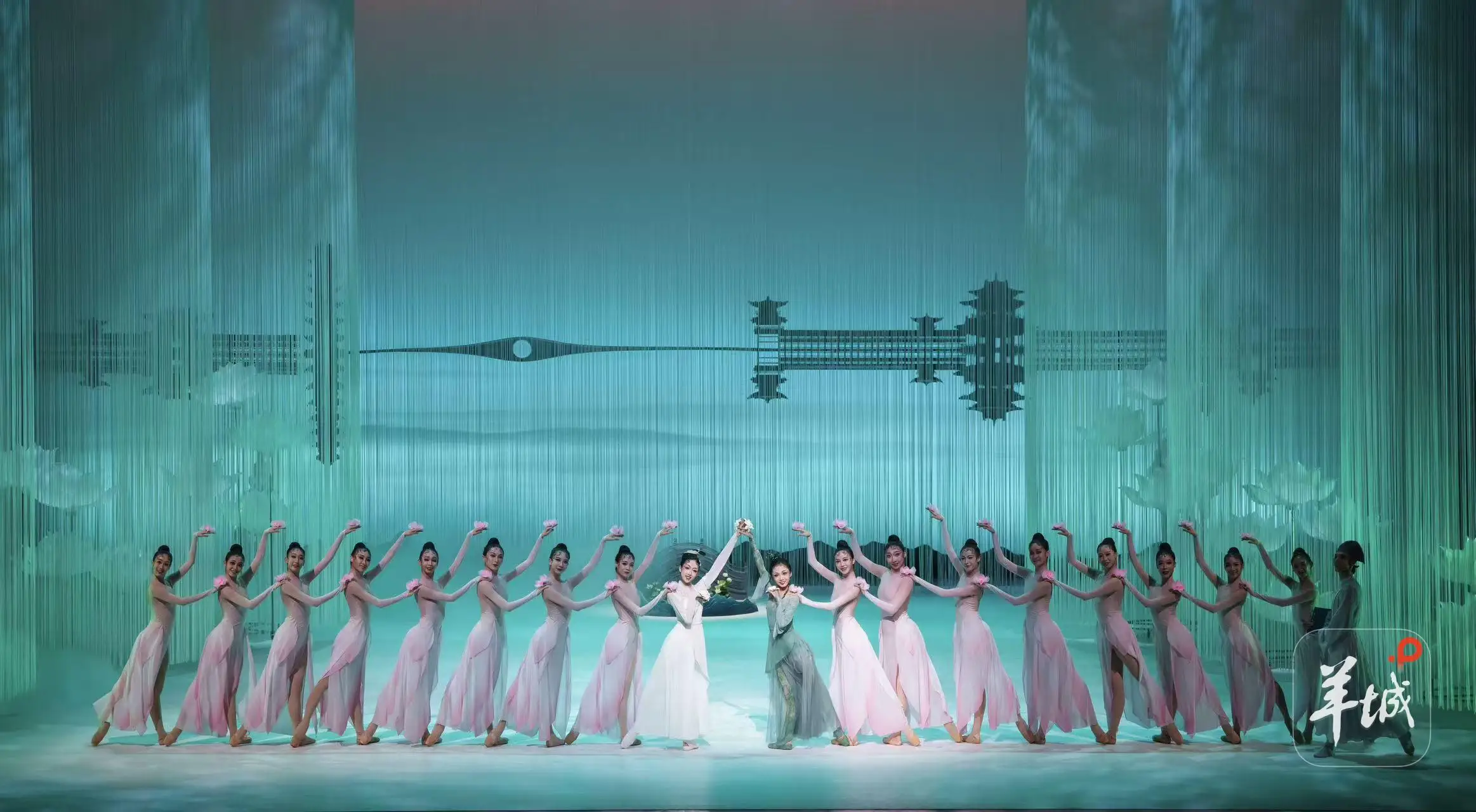
文华奖广东斩获三奖 ,广东舞台艺术怎样再攀高峰?
11月4日,第十八届文华奖获奖名单揭晓,广东共收获三个奖项,获奖总数居全国第二。其中,广州歌舞剧院《醒·狮》获“文华剧目奖”,广东粤剧院《红头巾》导演张曼君获“文华导演奖”,珠海演艺集团《侨批》编剧王勇获“文华编剧奖”。
本届文华奖评审条件作出了重要调整:将参评剧目首演时间从近5年拓宽至近10年,明确要求年均演出场次超过十场,凸显对作品“可持续影响力”与“市场检验”的双重重视。
《醒·狮》历经十年打磨,从2015年小舞剧《醒》成长为巡演300多场的精品;《红头巾》巡演近百场,足迹遍布国内外20余座城市;《侨批》作为地级市院团叩开国家艺术殿堂的大门,目前已走遍大江南北,演出60余场。
三部作品均扎根岭南文化沃土:《醒·狮》以非遗醒狮为核心,融合南拳、木鱼歌等符号,独创特色舞蹈语汇;《红头巾》聚焦“三水女儿”的海外奋斗史,展现岭南女性力量;《侨批》深挖侨乡历史,讲述中国故事与岭南记忆。
粤港澳大湾区拥有醒狮、粤剧、侨批文化等独特的岭南文化IP,还有改革开放、衣冠南渡、下南洋、岭南画派等独特的历史记忆,这些正是我们广东舞台艺术作品差异化竞争的核心优势。
文 | 记者 黄宙辉
译 | 郑奕玲
审 | 洪婷
-
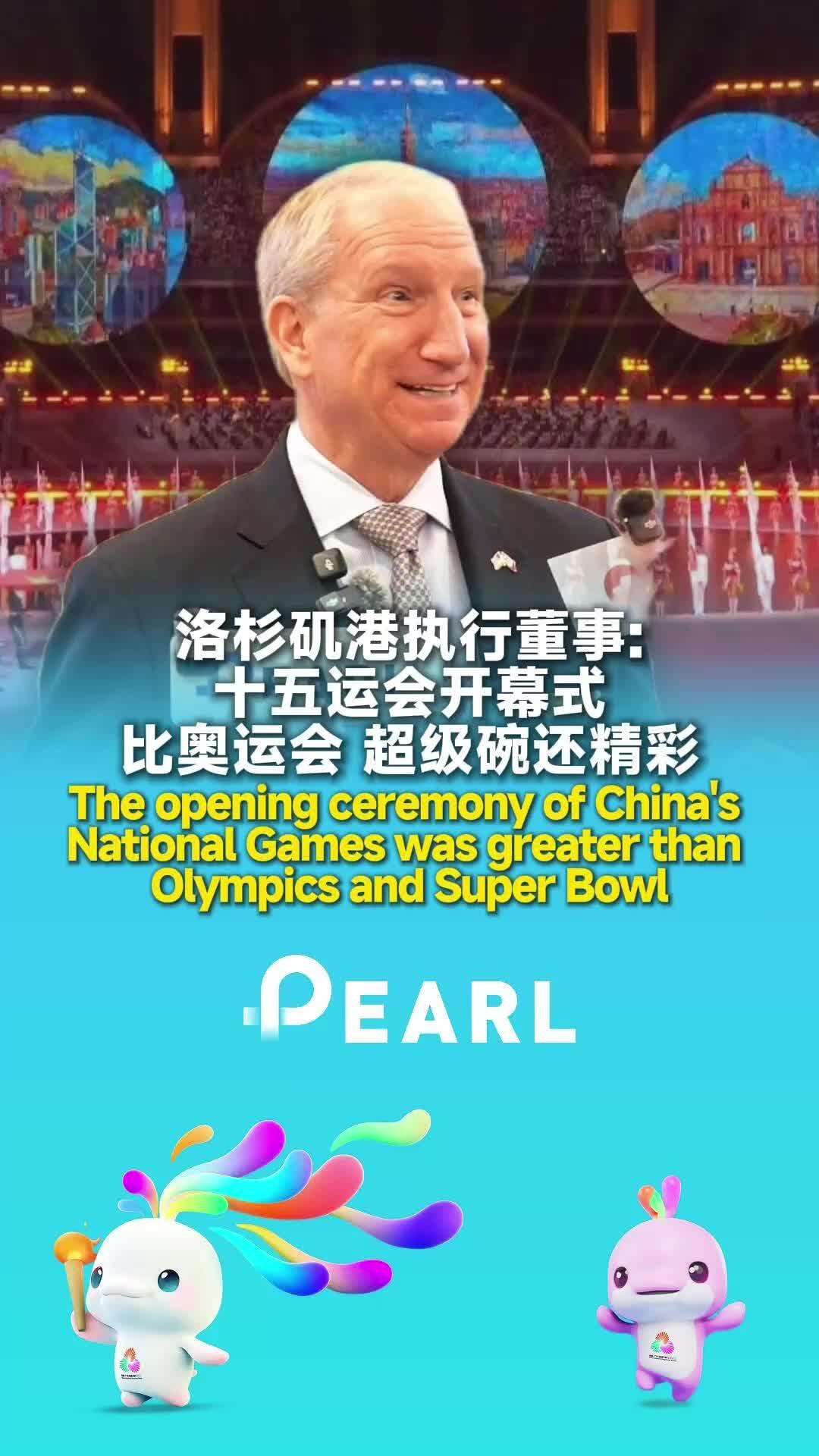 Video | The opening ceremony of China's 15th National Games was even greater than the Olympics or the Super Bow!!“The opening ceremony of the 15th National Games was even more spectacular than the Olympics or the Super Bowl!” — said Eugene Seroka, Executive Director of the Port of Los Angeles, after attending the 15th National Games Opening Ceremony on November 9.He praised the 44-year friendship between Guangzhou and Los Angeles, saying that coming to Guangzhou felt “just like coming home.”2025-11-10 18:19:01
 -
 First cross-boundary race in National Games' history concludesWhat unfolds beneath the wheels of the athletes extends beyond the 231.8-kilometer route, but is an innovative path leading to the deep integration of the GBA.2025-11-10 00:13:35
 -
 8th China International Circus Festival draws 100,000 visitors with 24 world-class showsThis year's festival brought together 18 top-tier performances from over 10 countries.2025-11-10 00:13:36
 -
 Zhuhai becomes China's only dual hub for cross-boundary medical rescueOn November 7th, the cross-boundary ambulance transfer service between Zhuhai and Hong Kong was officially launched.2025-11-10 00:25:10