


Just after midnight on December 23rd, a private car with a license plate registered in Guangdong entered the dedicated outbound lane of the Zhuhai highway port of the Hong Kong-Zhuhai-Macao Bridge, marking the official implementation of the "Southbound Travel for Guangdong Vehicles" policy, which allows Guangdong vehicles to head south to Hong Kong's urban areas. This historic "two-way effort" also marks a new phase of cross-boundary vehicle travel between Guangdong and Hong Kong, characterized by "two-way access with direct entry into urban areas".
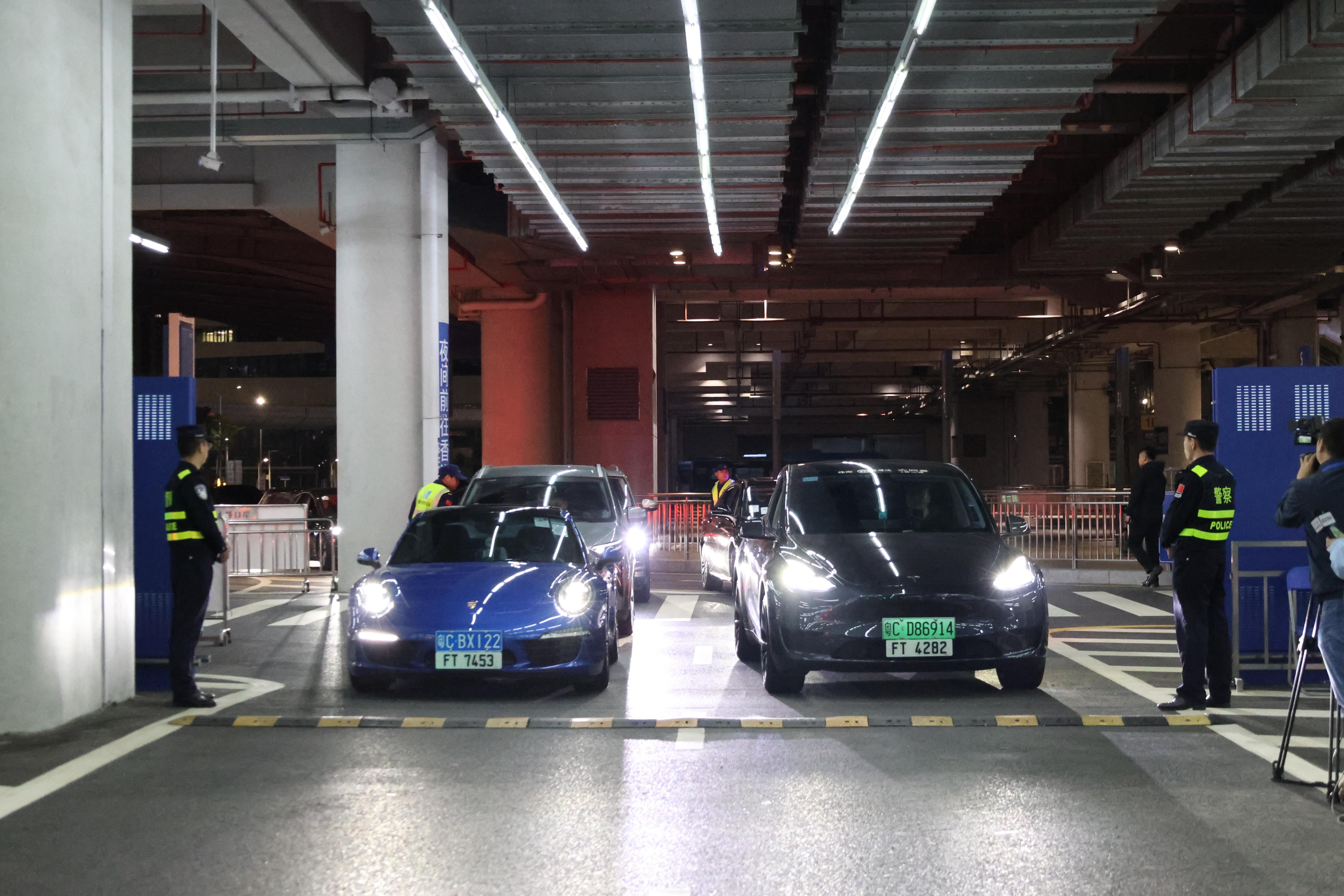
On January 1st, 2023, the "Northbound Travel for Macao Vehicles" program was the first to be implemented, followed by the launch of the "Northbound Travel for Hong Kong Vehicles"program on July 1st of the same year. These two policies sparked a strong wave of northbound consumption. According to data, by July 2025, just two years after the implementation of the "Northbound Travel for Hong Kong Vehicles" program, the cumulative number of vehicle crossings exceeded 2.86 million. Now, the "Southbound Travel for Guangdong Vehicles" policy further responds to expectations for "two-way convenience," with bidirectional traffic flows injecting vitality into the Greater Bay Area's "one-hour living circle."
The Hong Kong-Zhuhai-Macao Bridge has shortened the physical distance among Guangdong, Hong Kong, and Macao. A series of policies facilitating northbound and southbound travel reflect the extraordinary efforts of the three regions to break down barriers in rules, mechanisms, and standards. It also represents a profound test and successful practice of institutional innovation and collaborative capacity under the framework of "one country, two systems."
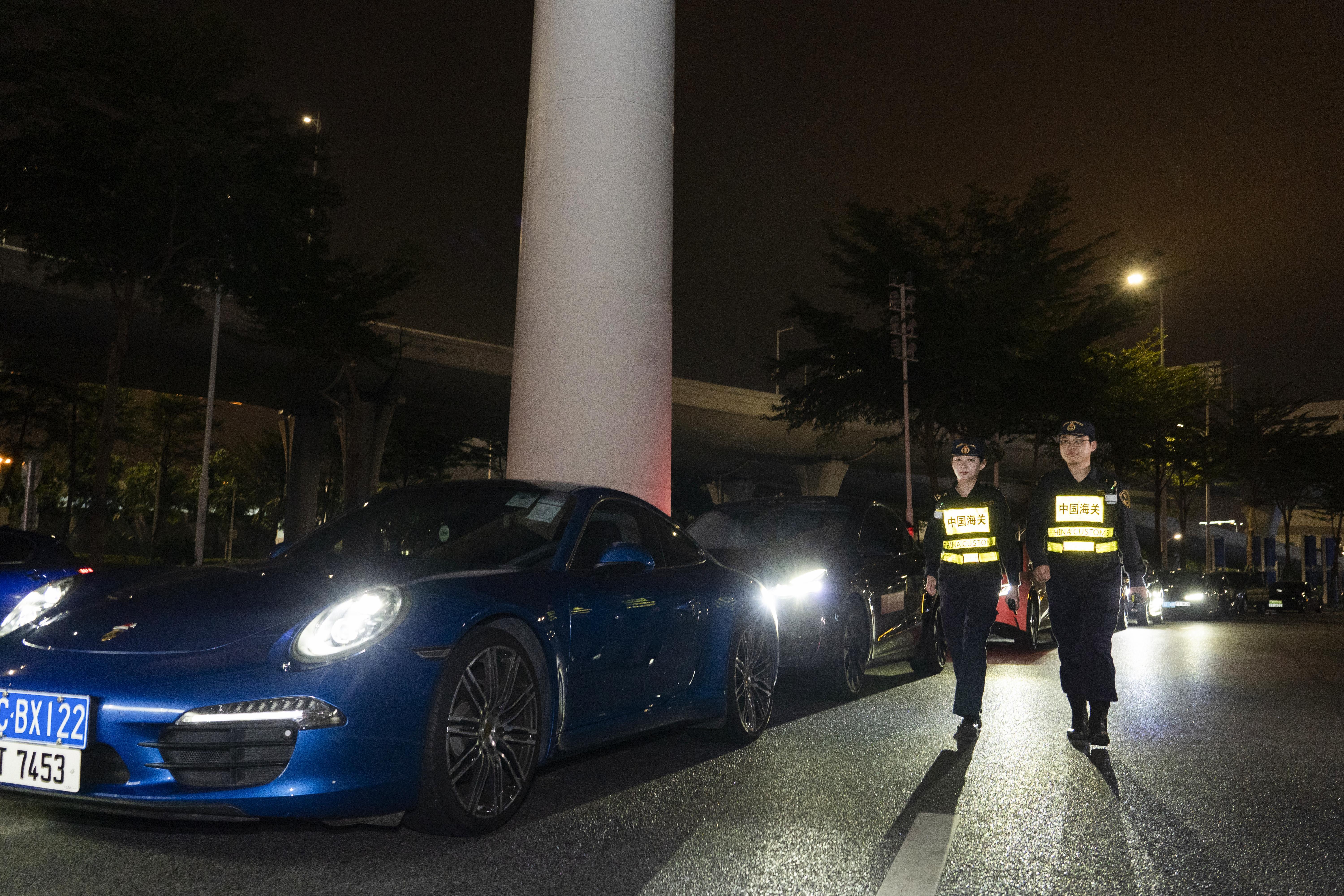
The ports' "one-stop" inspection allows vehicles to stop once and systems to clear once, while online reservation platforms enable applicants to submit required documents just once, with cross-departmental procedures handled via one portal. This confidence in being able to "set off at a moment's notice" stems from the "soft connectivity" achieved through the alignment of rules and mechanisms. With a series of convenient policies, it's easier for Hong Kong and Macao residents to drive to Guangdong to enjoy local cuisine, visit relatives and friends, or even pursue cross-boundary entrepreneurship. Meanwhile, drivers from Guangdong look forward to traveling by car to Hong Kong for performances, competitions, shopping, family visits, and tourism.
车通了,心更近了
12月23日零时刚过,一辆粤C牌照的私家车驶入港珠澳大桥珠海公路口岸“粤车南下”出境专用车道,驶向香港市区。“粤车南下”香港市区政策正式落地实施。这是一场历史性的“双向奔赴”,标志着粤港两地车辆往来迈入“双向直通、市区直达”的新阶段。
2023年1月1日,“澳车北上”政策率先落地实施;2023年7月1日,“港车北上”政策正式实施。这两项政策带来了强劲的“北上”消费热潮。数据显示,截至2025年7月,“港车北上”实施仅两年,累计通关车辆就超286万辆次。如今,“粤车南下”进一步回应了“双向便利”的期盼,双向流动的车流让大湾区“一小时生活圈”更具活力。
港珠澳大桥缩短了粤港澳三地的物理距离,从“北上”到“南下”的一系列政策则体现了三地在规则、机制、标准上打破壁垒的非凡努力,也是“一国两制”下制度创新与协同能力的深度考验和成功实践。
口岸“一站式”查验实现“车辆一次停靠、系统一次放行”,网上预约平台实现“申请材料一次交、跨部门一网办”……“说走就走”的底气,就是规则衔接、机制对接的“软联通”。借由这一系列便利政策,港澳居民可以更便捷地自驾到广东品尝美食、探亲访友,甚至跨境创业;广东车主则期待驾车赴港看演出、看比赛、购物、探亲、旅游。
文|记者 张璐瑶
译丨盛嘉
英文审校丨赵凡
-
Poster | 200 Fashion Illustration Works from Around the World on Display in Futian, Shenzhen2025-12-24 21:01:18
-
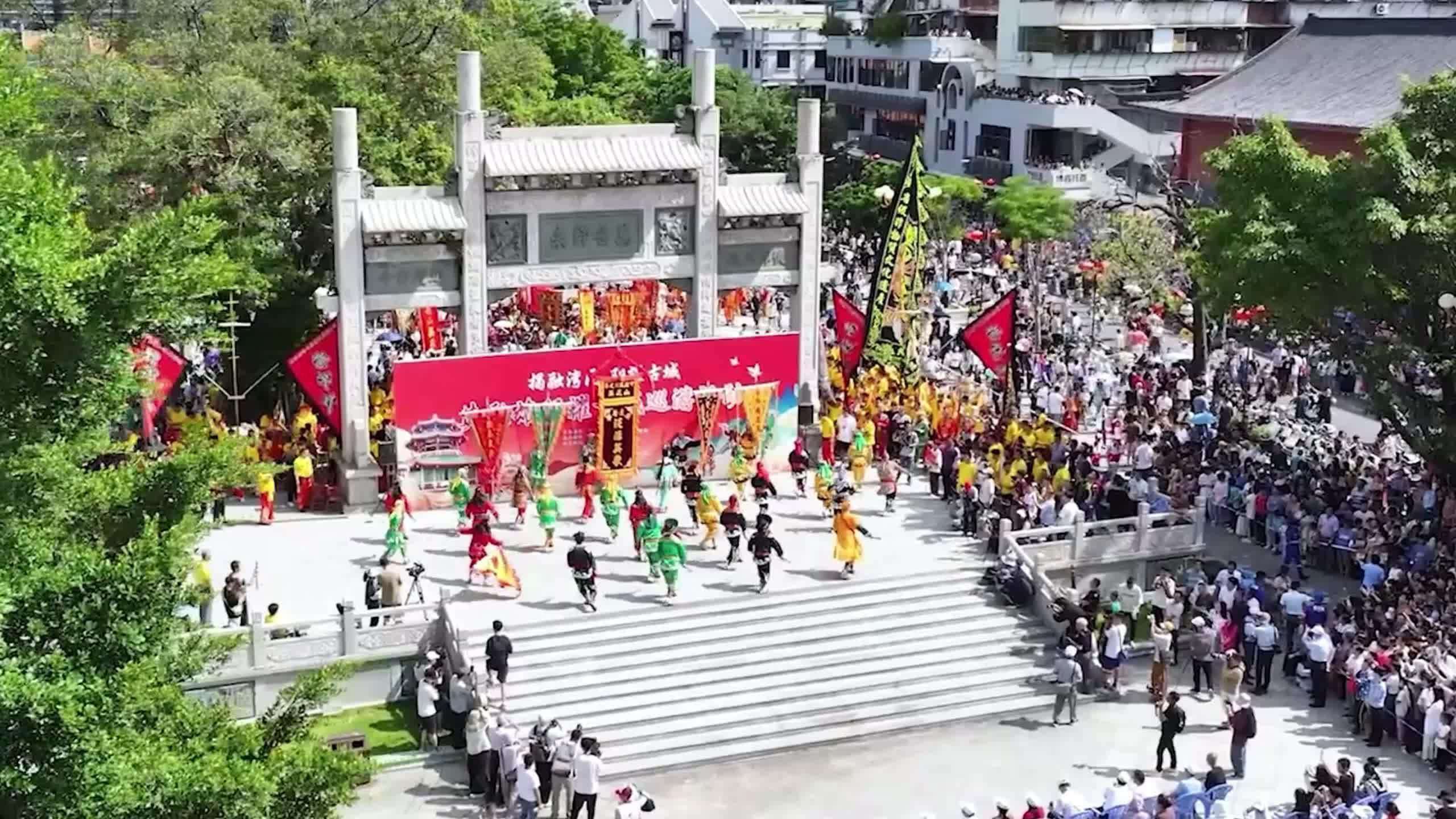 Kungfu Heritage Flows On: Jieyang’s Martial Arts Culture Comes AliveThe Rongjiang River runs through Jieyang, a historic city in eastern Guangdong, bearing witness to more than 2,000 years of change and vitality.2025-12-24 20:32:52
 -
 Meizhou Yearning Tea Farm Scenery Area: Savor the Tea, Blooms and SunsetStep into Yanyang Town in Meizhou — an International Slow City — and immerse yourself in the unhurried rhythm of life at Meizhou Yearning Tea Farm Scenery Area.2025-12-24 20:32:52
 -
200 Fashion Illustration Works from Around the World on Display in Futian, ShenzhenFrom December 21 to 28, the Invitational Fashion Illustration Exhibition by World-Renowned Academies is currently taking place in Futian, Shenzhen.2025-12-24 20:32:52