


Recently, the International Low-altitude Economy Expo 2025 (Guangzhou) and the 8th Global Unmanned Systems Conference, collectively known as the "Low-altitude Economy Expo," concluded at the Canton Fair Complex in Guangzhou. The event achieved over 3 billion yuan in cooperation agreements covering aircraft procurement, joint construction of cross-border innovation centers, and platform development. Behind the three-day exhibition, the reporter found that the decision to host the Expo in Guangzhou is a far-reaching strategy by Guangdong based on three core considerations: a comprehensive industrial chain, diverse application scenarios, and a favorable policy environment.
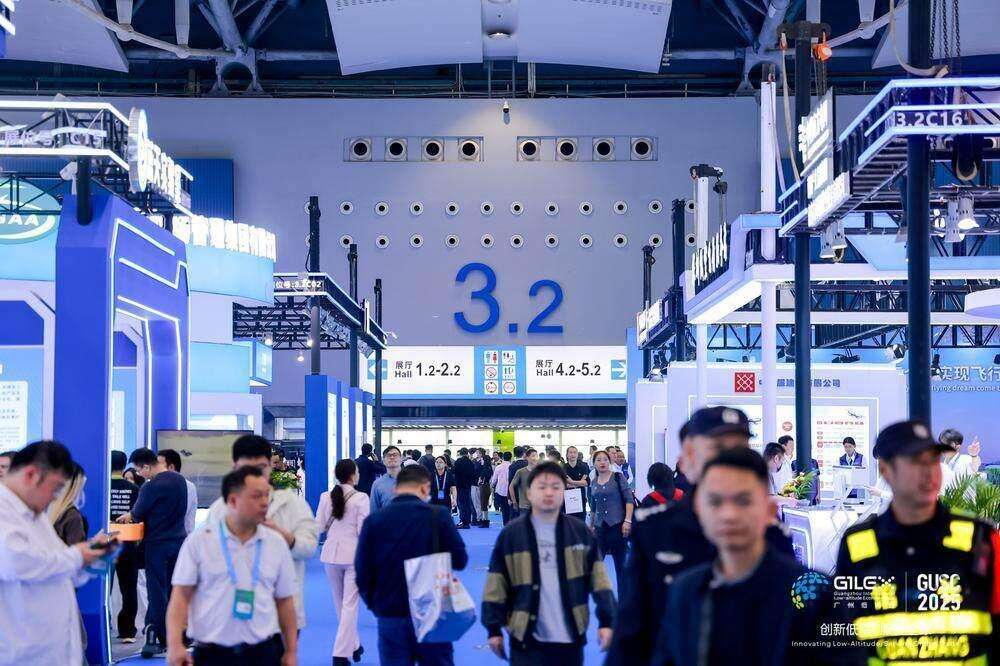
Stepping into the exhibition hall of the Canton Fair Complex, the reporter seemed to see a complete picture of the low-altitude economy's full industrial chain. Companies across manufacturing, application, and services segments all unveiled frontier technologies. Leading Guangdong-based companies, including EHang, DJI, XPeng Aridge, and XAG, showcased their latest products.
In the low-altitude economy sector, cities such as Guangzhou, Shenzhen, Zhuhai, Dongguan, and Zhongshan have formed a complementary and collaborative industrial ecosystem. Guangzhou, leveraging its strong automotive foundation, excels in vehicle integration and avionics systems; Shenzhen, with its solid base in consumer electronics and battery industries, leads globally in drones and power systems; Zhuhai, home to the China International Aviation & Aerospace Exhibition (Airshow China), has deep expertise in general aviation.
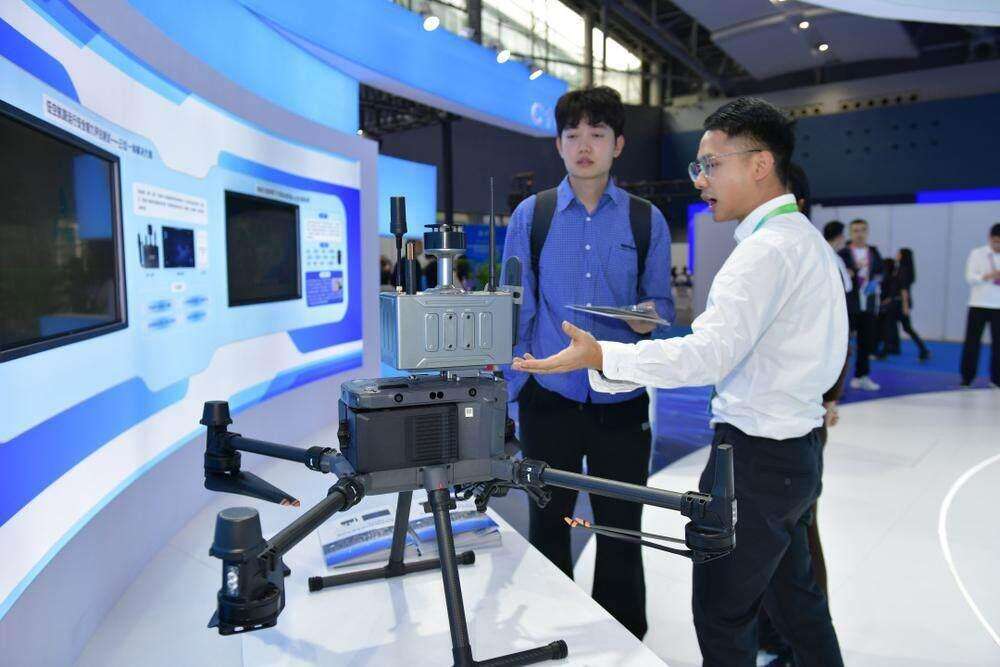
Guangdong also offers abundant exploration scenarios for the low-altitude economy. The first ultra-long drone delivery route in the Guangdong-Hong Kong-Macao Greater Bay Area has been launched, connecting Zhuhai, Zhongshan, and Guangzhou—a total length of 82.9 kilometers covered in just 55 minutes. DJI and other leading enterprises have already applied drones at scale in power-line inspection, traffic management, emergency rescue, and agricultural plant protection across the province. Low-altitude tourism flights are also being piloted at landmark sites such as the Canton Tower and the Hong Kong-Zhuhai-Macao Bridge, opening new forms of consumption.
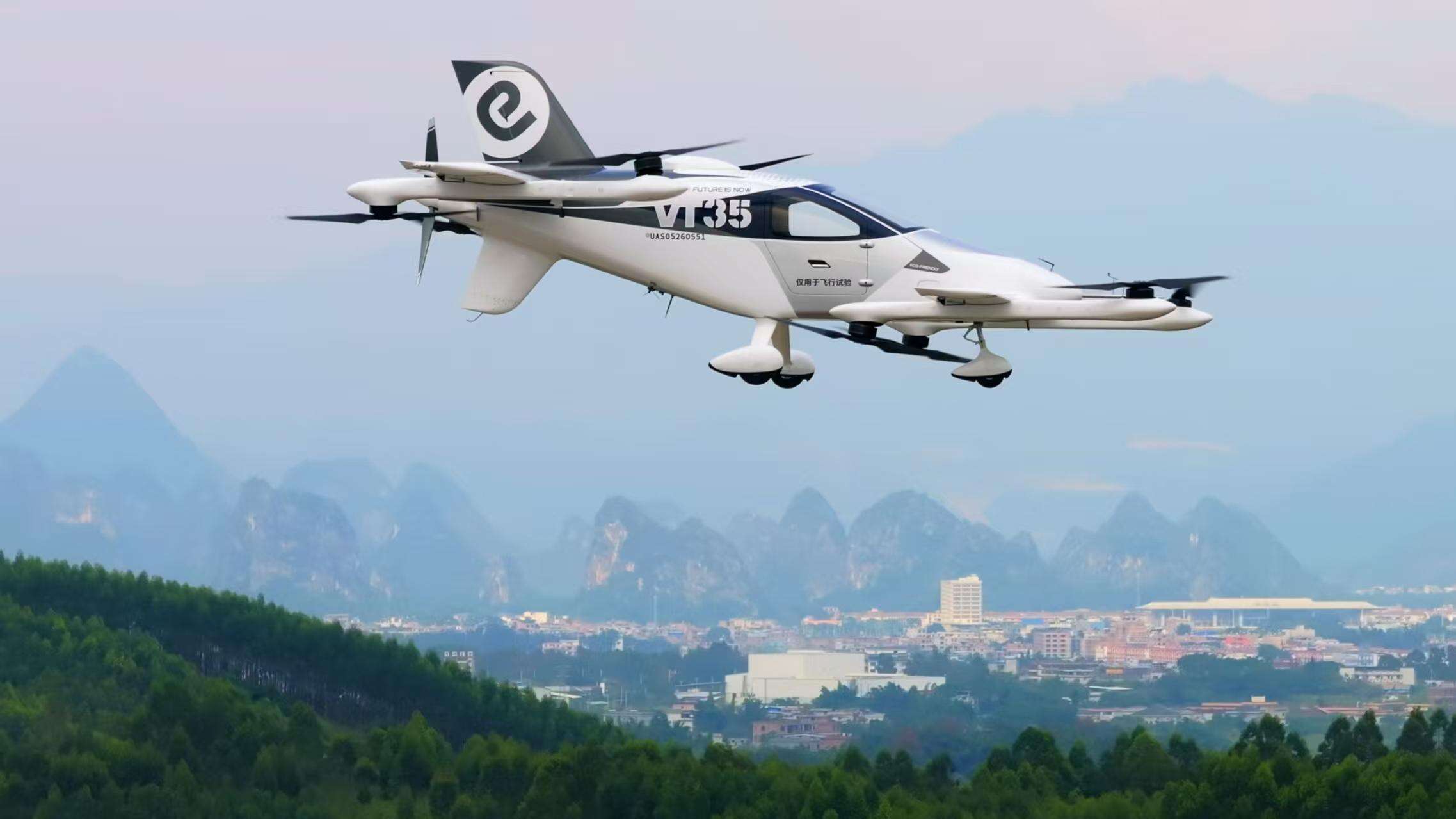
Official data show that Guangdong now has over 15,000 enterprises engaged in the low-altitude economy, with the industry's output value surpassing 180 billion yuan in 2024. The province produces about 70 percent of the world's consumer drones and 50 percent of industrial drones.
观点|国际低空经济盛会为何落地广州?
近日,2025国际低空经济贸易博览会(广州)暨第八届全球无人系统大会(下称“低贸会”)在广州广交会展馆闭幕。本届低贸会现场达成合作签约金额超30亿元,覆盖航空器采购、跨境科创中心共建、平台打造等方面。在为期3天的展会背后,记者发现,盛会落地广州是广东基于完备产业链、多元应用场景与优渥政策土壤三大核心考虑的深远布局。
一走进会期的广交会展馆,记者仿佛看到了一幅完整的低空经济全产业链图景。制造端、应用端、服务端“三端”均亮出了前沿技术,亿航、大疆、小鹏汇天、极飞等广东头部低空飞行器企业纷纷展示新款产品。
在低空经济领域,广州、深圳、珠海、东莞、中山等城市已形成错位协同的产业格局:广州依托汽车产业基础,在整车集成、航电系统上优势突出;深圳凭借消费电子和电池产业的积累,在无人机整机、动力系统领域全球领先;珠海依托中国航展积淀,在通用航空领域底蕴深厚。
广东拥有丰富的低空经济探索场景。大湾区首条超长无人机物流航线发布,跨越珠海、中山、广州3市共82.9公里只需55分钟;大疆等龙头企业引领的无人机,早已在广东的电网巡检、交通管理、应急救援、农业植保等领域大规模应用;此外,低空旅游观光也在广州塔、港珠澳大桥等标志性区域展开试点,开辟消费新业态。
数据显示,广东省低空经济相关企业已超过15000家,2024年广东低空经济产值突破1800亿元。广东消费级无人机产量约占全球70%,工业级无人机约占全球50%。
文、图 | 记者 杭莹
译|钟佳
英文审校|肖凯欣
-
 Hainan's island-wide customs closure brings new opportunities to GBAA large share bound for neighboring Guangdong just across the sea2025-12-20 22:47:20
 -
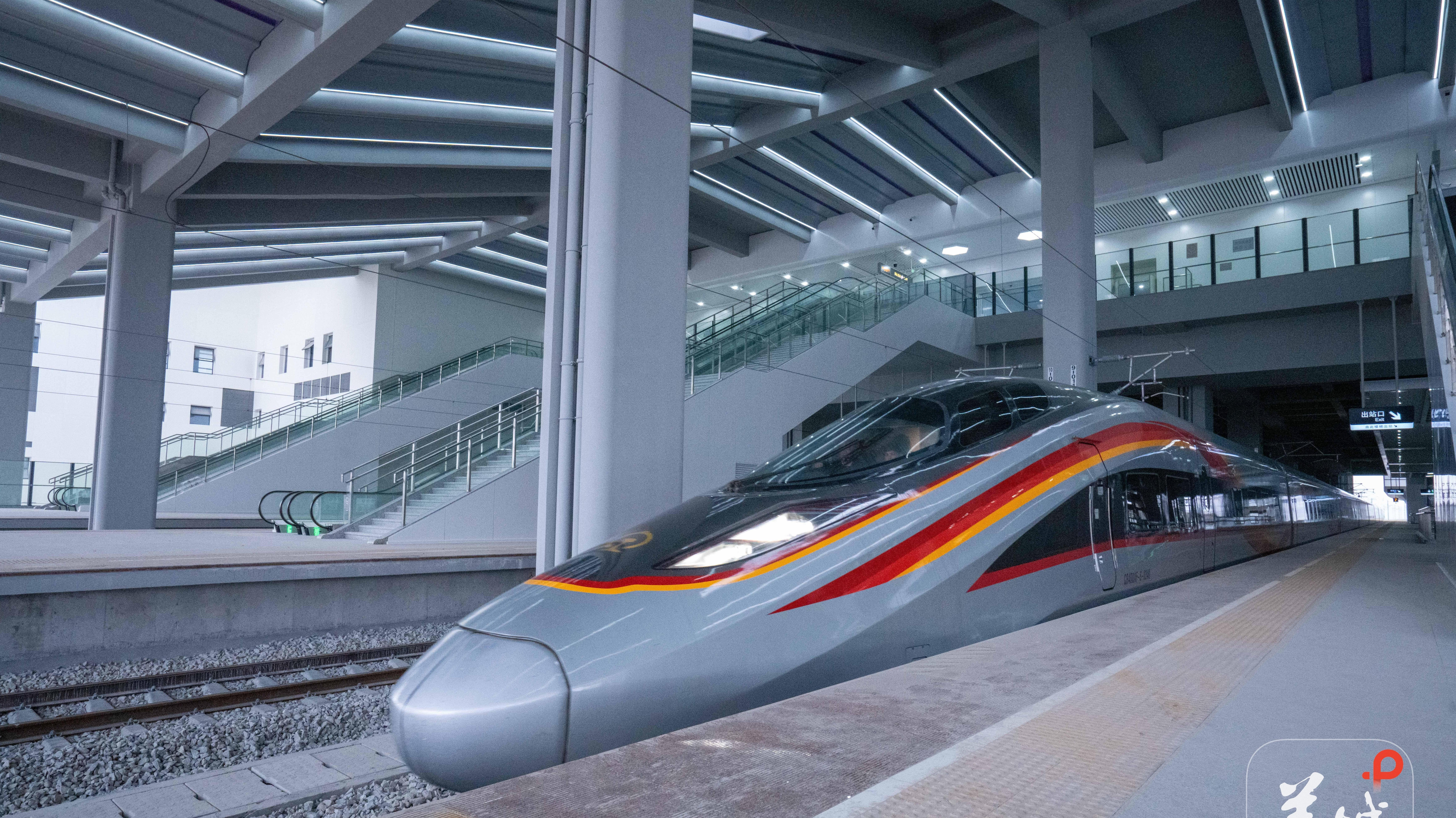 Guangzhou-Zhanjiang High-Speed Railway to open on Dec. 22ndThe Guangzhou-Zhanjiang High-Speed Railway (Guang-Zhan HSR) will open on December 22nd.2025-12-20 22:47:19
 -
 Why has the International Low-altitude Economy Expo chosen Guangzhou?A comprehensive industrial chain, diverse application scenarios, and a favorable policy environment2025-12-20 22:47:18
 -
 Poster|A Love Letter to the "Hundred, Thousand, and Ten Thousand Project": A Three-Year Visual Journey of "Lingnan: Beauty Beyond Borders"2025-12-19 23:05:35