


On December 18, China's Hainan Free Trade Port (FTP) will enter a new stage of historic significance with the launch of an island-wide independent customs operation. As the institutional framework of "freer access at the first line, regulated access at the second line, free flow within the island" is set to be fully implemented, enterprises have already shown confidence through action. Latest data show that since the release of the "Master Plan for the Construction of Hainan Free Trade Port" in 2020, more than 1.2 million enterprises have registered and settled in Hainan.
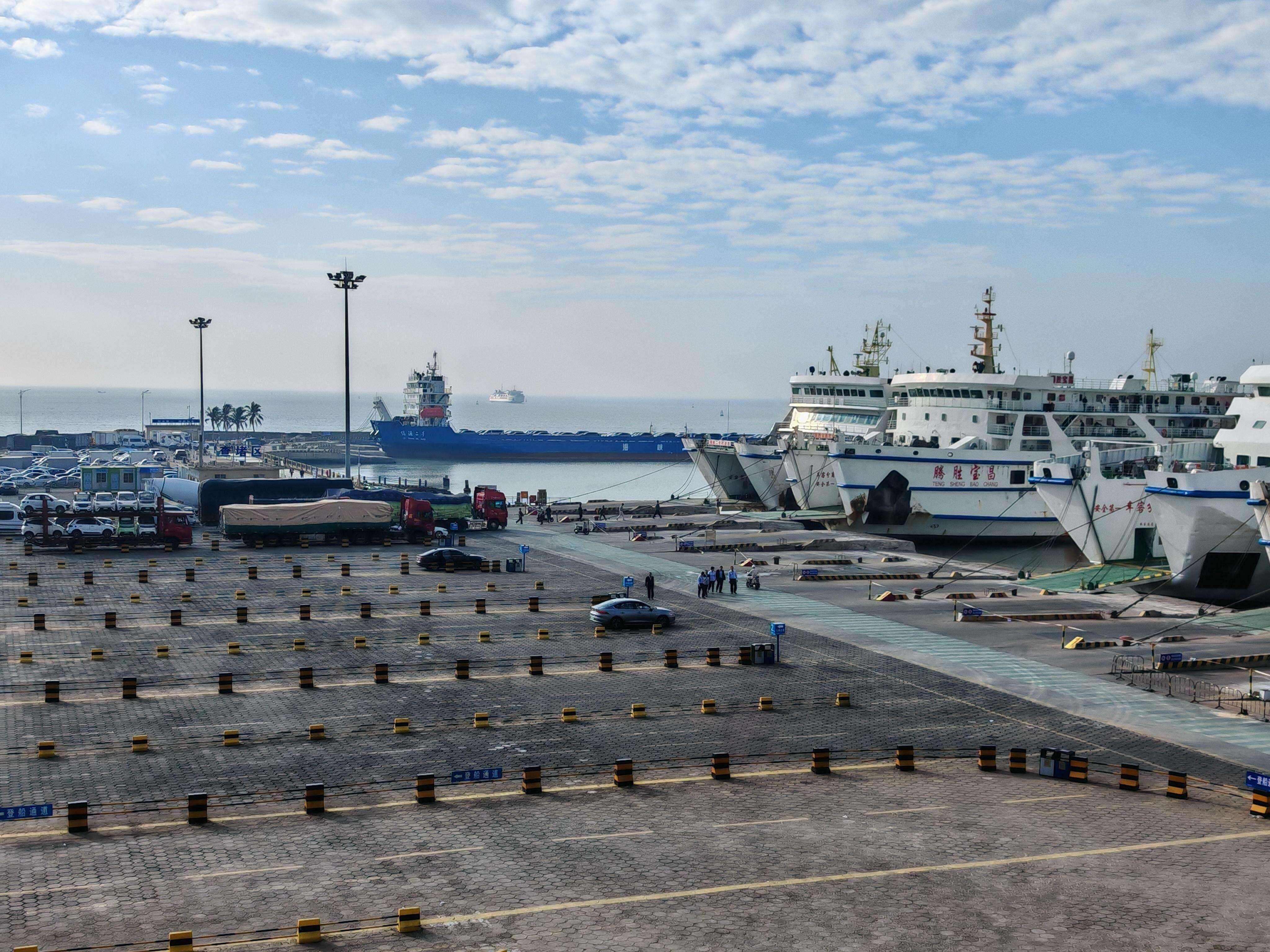
So, which industries have these 1.2 million enterprises flocked to? Based on existing enterprises, the wholesale and retail sector is the dominant sector. Among Hainan's 1.0092 million existing enterprises, 36.99% fall under this category—more than one-third. This is followed by leasing and business services (20.03%), information transmission, software and IT services (11.83%), and scientific research and technical services (6.43%).
With the launch of the customs closure operation on December 18th, Hainan will shift from blueprint planning to full-scale institutional implementation. The entire island will become China's largest customs-supervised special zone, granting unprecedented freedom for the movement of goods, capital, and people.

For the 1.2 million companies already operating in Hainan, customs closure signals the start of a dividend-harvesting period. "Zero tariffs" will significantly reduce the cost of imported raw materials and production equipment. "Lower tax rates" will directly boost profits and enhance attractiveness for talent. In addition, imported products that undergo at least 30% value-added processing in Hainan can enter the mainland tariff-free, directly stimulating the development of high-end manufacturing and processing trade.
Based on the opportunities suggested by the data, international trade, logistics and warehousing, and cross-border e-commerce (built on the foundation of the wholesale and retail sector) will see immediate benefits. Headquarters economy, professional services, and financial services (aligned with leasing, business, and financial sectors) are expected to flourish as market activity increases. Meanwhile, high-tech and commercialization in fields such as the digital economy, biotechnology, deep-sea and aerospace, and clean energy (corresponding to scientific research and technical services) will find unique room for growth under preferential tax policies and pilot policies for data flows.
海南封关在即!超120万家企业已前往淘金
12月18日,海南自贸港将进入全岛封关运作的历史性新阶段。在“一线放开、二线管住、岛内自由”的制度框架即将全面落地之际,企业早已用行动投下信任票。最新数据显示,自2020年《海南自由贸易港建设总体方案》发布以来,已有超过120万家企业奔赴海南注册落户。
那么,这120万家企业究竟涌向了哪些行业?从存量看,批发和零售业是绝对的支柱。在海南现有的100.92万家企业中,归属于该行业的企业占比高达36.99%,超过三分之一。紧随其后的是租赁和商务服务业(20.03%)、信息传输、软件和信息技术服务业(11.83%)以及科学研究和技术服务业(6.43%)。
12月18日,随着封关运作正式启动,海南将从“蓝图规划”全面转向“制度实操”。全岛将成为中国最大的海关特殊监管区域,货物、资金、人员的流动将迎来前所未有的自由度。
对于已经入驻的120万家企业而言,封关意味着前期布局即将进入红利收获期。“零关税”将极大降低进口原材料和生产设备成本,“低税率”直接提升企业利润和人才吸引力,“加工增值超30%免关税”政策则将直接刺激高端制造业和加工贸易发展。
从数据指向的行业机遇来看,国际贸易、物流仓储、跨境电商(基于批发零售业基础)将迎来直接利好;总部经济、专业服务、金融服务(对应租赁商务和金融业)将伴随市场活跃度提升而繁荣;而数字经济、生物科技、深海航天、清洁能源等高新技术研发与转化(对应科研技术服务业)将在特殊税收和数据流动试点政策下,获得独特的成长土壤。
文|记者 孙绮曼
译|曾敏
英文审校| 林佳岱
-
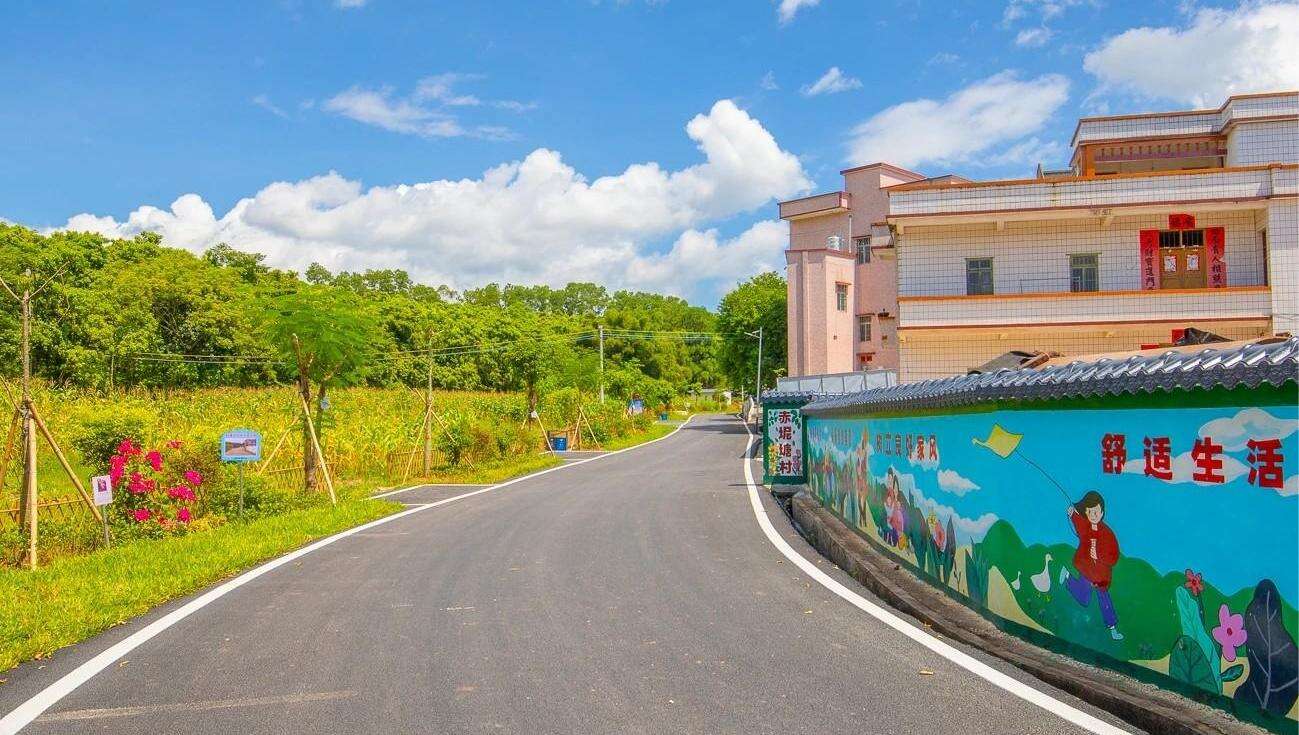 Poster丨Capturing Guangdong's Rural Transformation Through Light and Shadow2025-12-17 22:16:19
 -
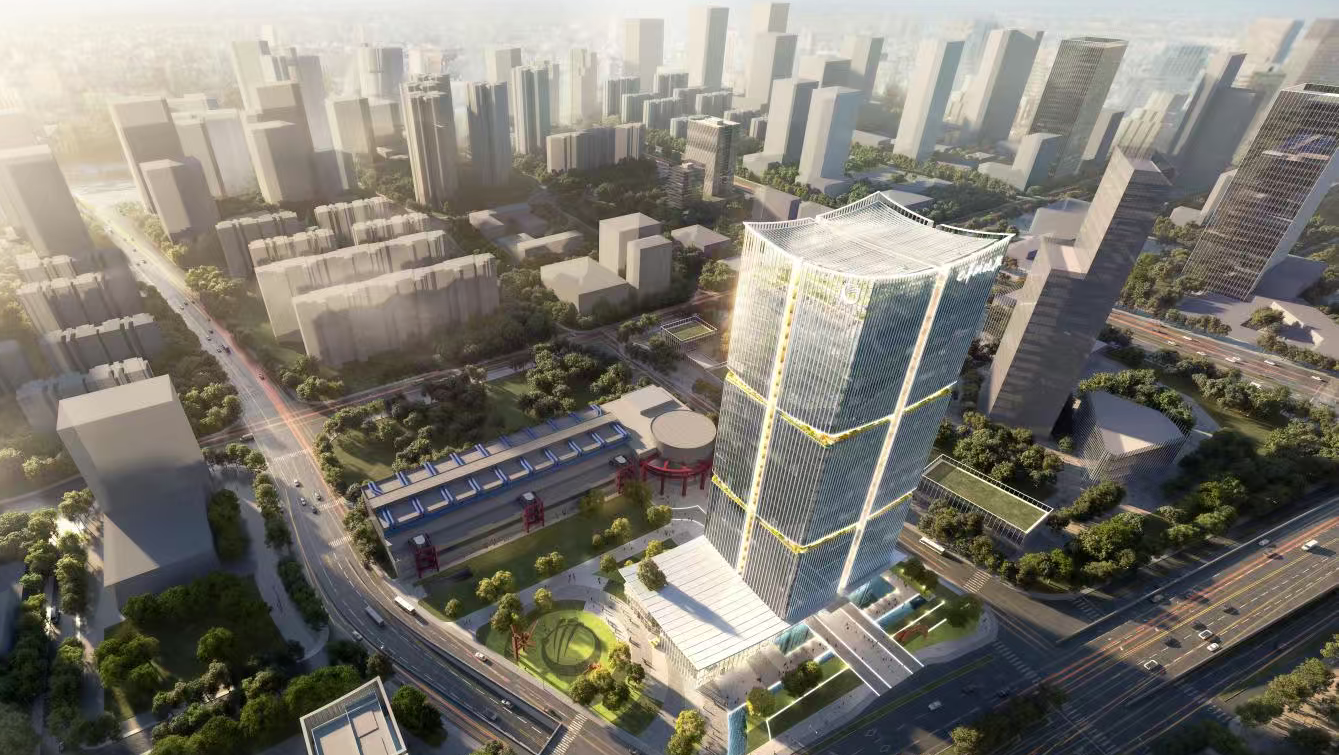 2025 China Digital Entertainment Conference to kick off2025 China Digital Entertainment Conference, themed "New Technology, New Model, and New Format", will kick off at Guangzhou's Yangcheng Creative Industrial Park.2025-12-17 22:34:36
 -
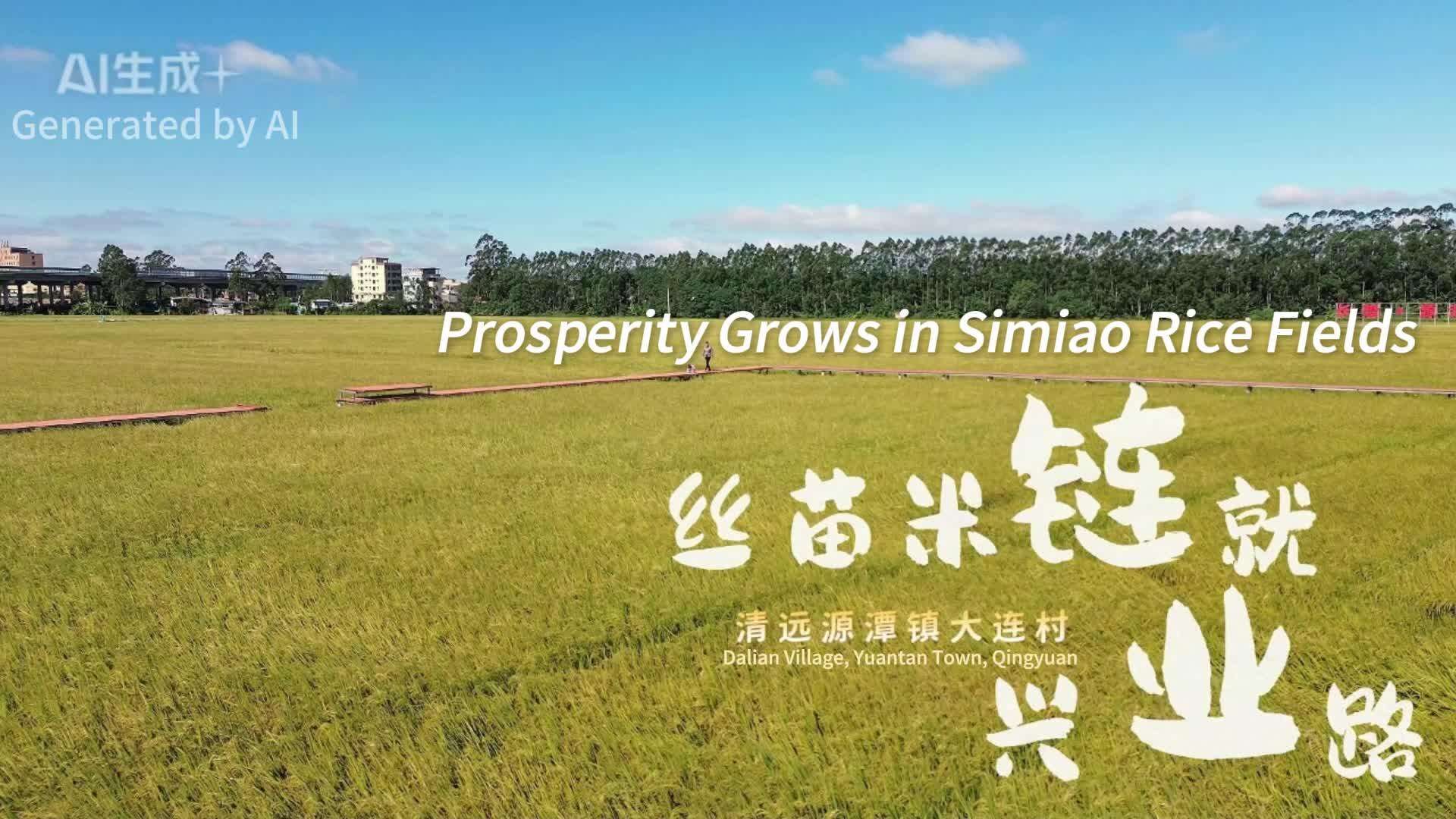 Qingyuan's Dalian Village: Prosperity Grows in Simiao Rice Fields2025-12-17 21:59:40
 -
Foshan, Guangdong: When Pharaoh and Egyptian Cat Meet Lingnan Culture
A unique cultural encounter has recently unfolded at Foshan Xintiandi.2025-12-17 21:59:40