


On the afternoon of December 1st, Mr. Li, a resident of Shenzhen, received a parcel delivered by a courier from JINGDONG Logistics. It was the 180 billionth express parcel handled in China this year, marking a new national record for express delivery volume,a figure more than five times the level recorded a decade ago.
From January to October this year, Guangdong's postal and express delivery sector handled a total of 39.32 billion items, accounting for 22.2% of the national total. Of these, express deliveries reached 38.68 billion items, representing 23.8%. This means that one out of every four parcels in China originates from Guangdong, underscoring the province's leading scale and contribution to the industry.
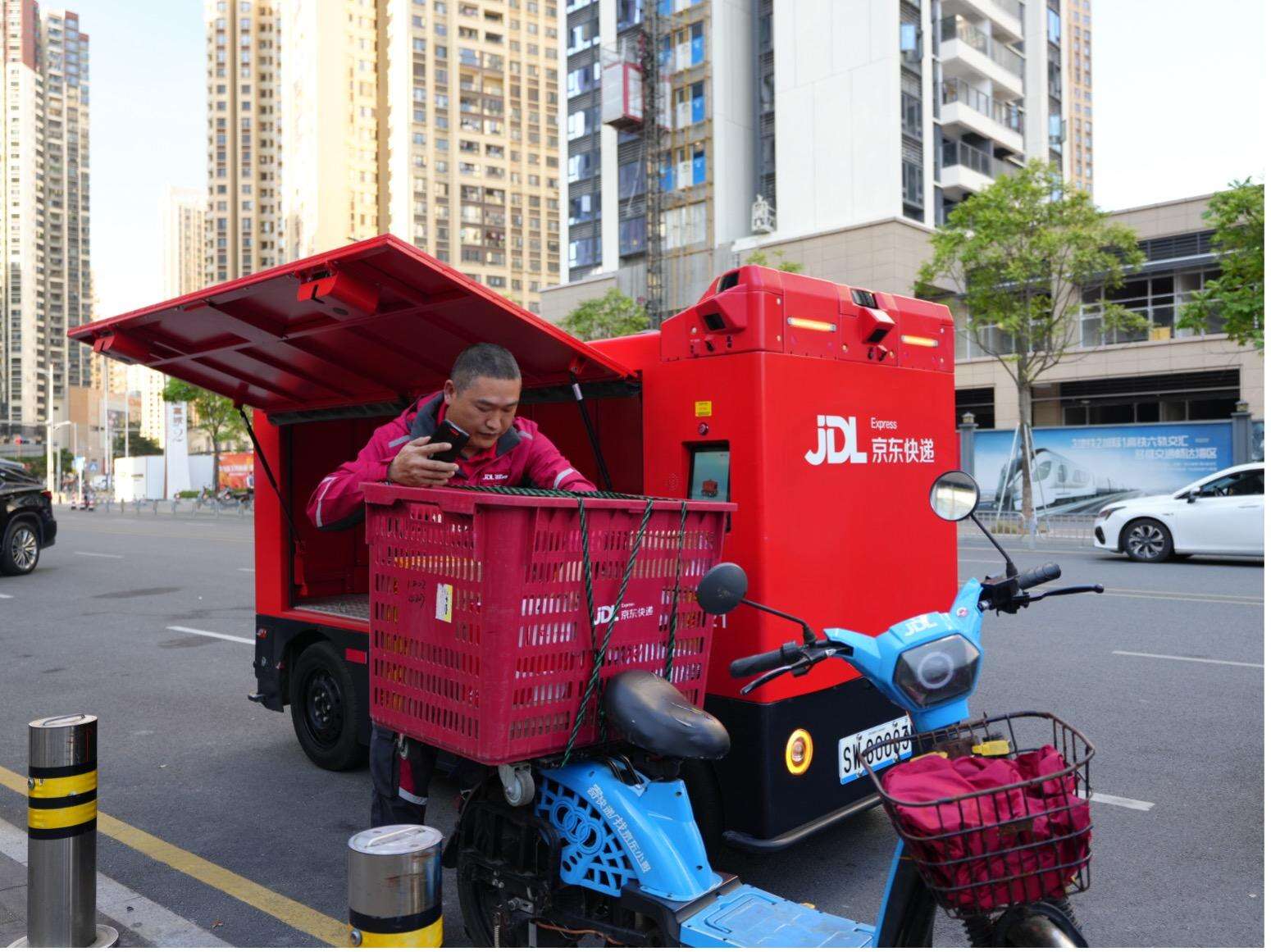
Notably, from January to October, Guangdong processed 33.81 billion parcel deliveries sent to and from the province, up 12.4% year-on-year. The province also handled 1.63 billion international express parcels, including those to and from Hong Kong, Macao and Taiwan, accounting for nearly 50% of the national total. These figures highlight Guangdong's distinct strengths as a powerhouse in both manufacturing and foreign trade.
Guangdong is home to three cities, Guangzhou, Shenzhen and Dongguan, that rank among the top ten nationwide in express delivery volume. The province has developed an express service network centered on the Pearl River Delta region and extending to eastern, western, and northern Guangdong. It hosts eight national logistics hubs, the highest number in China. Express delivery outlets cover all towns and townships, and about 19,000 village-level parcel delivery logistics service stations cover nearly 90% of administrative villages.
The prosperity of Guangdong's express delivery sector is rooted in its strong industrial base. In Guangzhou alone, more than 500 specialized wholesale markets have given rise to a vast supply chain system, built around over a dozen industrial clusters spanning clothing and accessories, beauty and personal care, food and beverages, and other sectors. This system links manufacturing plants across the Pearl River Delta region with buyers from more than 100 countries, generating a massive and stable source of parcels.
Beyond Guangzhou, distinctive industrial clusters across Guangdong—from Shenzhen's electronics, to Dongguan's clothing, to Foshan's home furnishings and building materials, and Zhongshan's lighting products—form the backbone of "Made in Guangdong".
第1800亿件快递为何从广东发出?
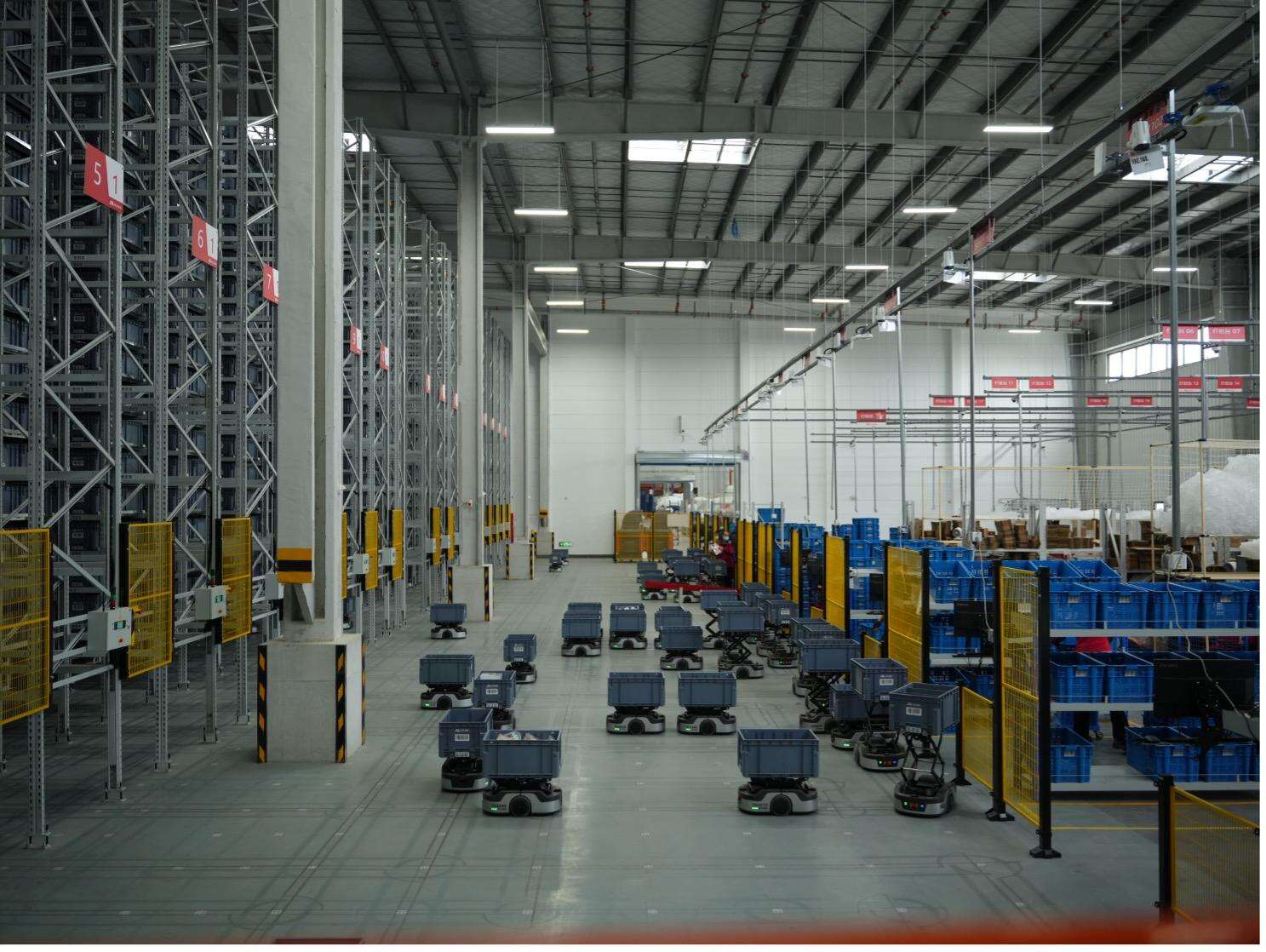
12月1日下午,深圳市民李先生收到了由京东物流小哥送达的快递包裹,这也是今年中国第1800亿件快递包裹,标志着全国快递业务量再次创下新纪录。这一数字较10年前增长逾5倍。
今年1-10月,广东全省邮政行业寄递业务量累计完成393.2亿件,占全国总量的22.2%;其中快递业务量达386.8亿件,占比23.8%。相当于全国每产生4件快递,就有1件来自广东,行业规模与贡献度持续领跑全国。
值得关注的是,1-10月广东异地快递业务量累计完成338.1亿件,同比增长12.4%;国际及港澳台快递业务量累计完成16.3亿件,占全国比重接近50%,充分凸显了广东省作为制造业大省和外贸大省的独特优势。
广东不仅拥有广州、深圳、东莞三个全国快递业务量前十的城市,更形成了以珠三角为核心、辐射粤东粤西粤北的快递服务网络。广东拥有8个国家物流枢纽,数量位居全国之首,乡镇网点覆盖率达100%,村级寄递物流综合服务站约1.9万个,覆盖近90%的行政村。
广东快递业的繁荣,植根于其雄厚的产业基础。500多个专业批发市场的喧嚣声中,广州形成了涵盖服装配饰、美妆日化、食品饮料等十多个产业集群的庞大供应链体系,一头连接珠三角的制造工厂,一头对接全球100多个国家的客商,支撑起了广州的海量货源。
不只是广州,从深圳的电子产品、东莞的服装鞋帽,到佛山的家居建材、中山的灯饰照明,广东各地特色鲜明的产业带集群,构成了“广东制造”的骨骼。
文、图丨记者 杭莹
翻译丨曾敏
审校丨赵凡
-
 Video | An important part of education is helping students learn what they enjoy2025-12-09 11:42:46
 -
 Video | New Ideas, New Initiatives, South-South Cooperation: Indonesian scholars anticipate the Shenzhen APEC!2025-12-09 11:42:50
 -
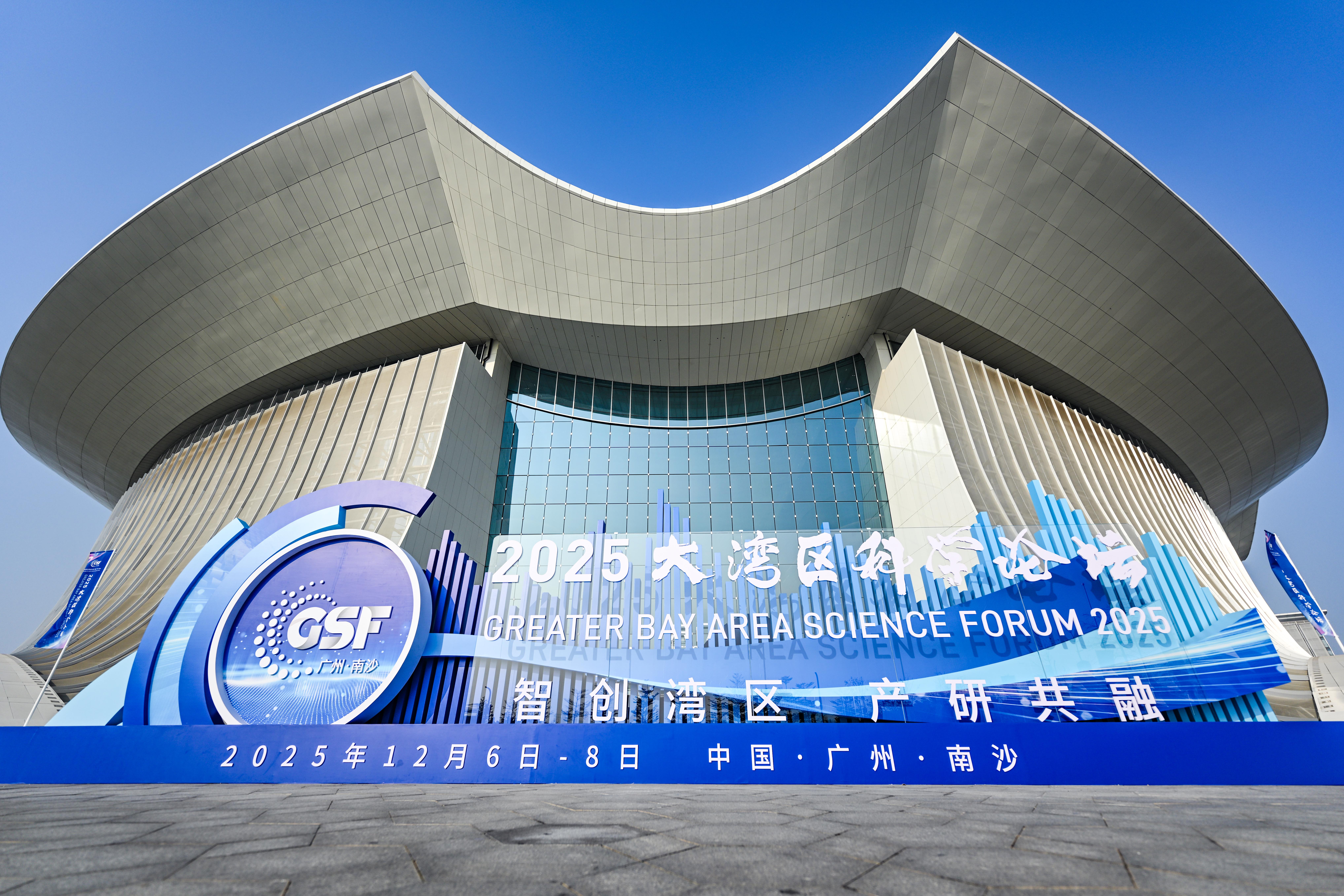 Secrets behind technological innovation and upgrades in GBA2025-12-08 21:52:08
 -
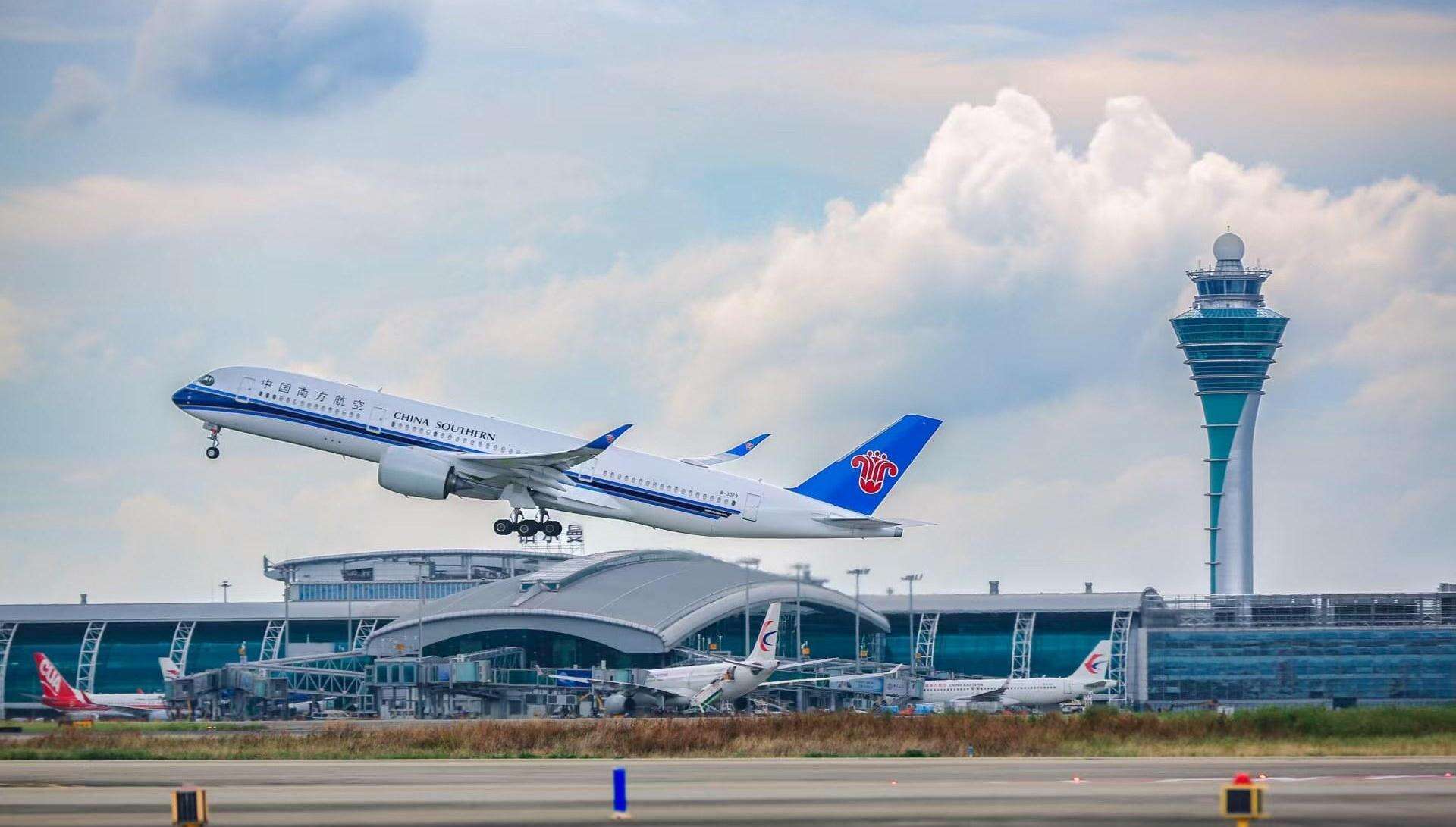 GBA is reshaping global air-hub landscape2025-12-08 21:52:13