


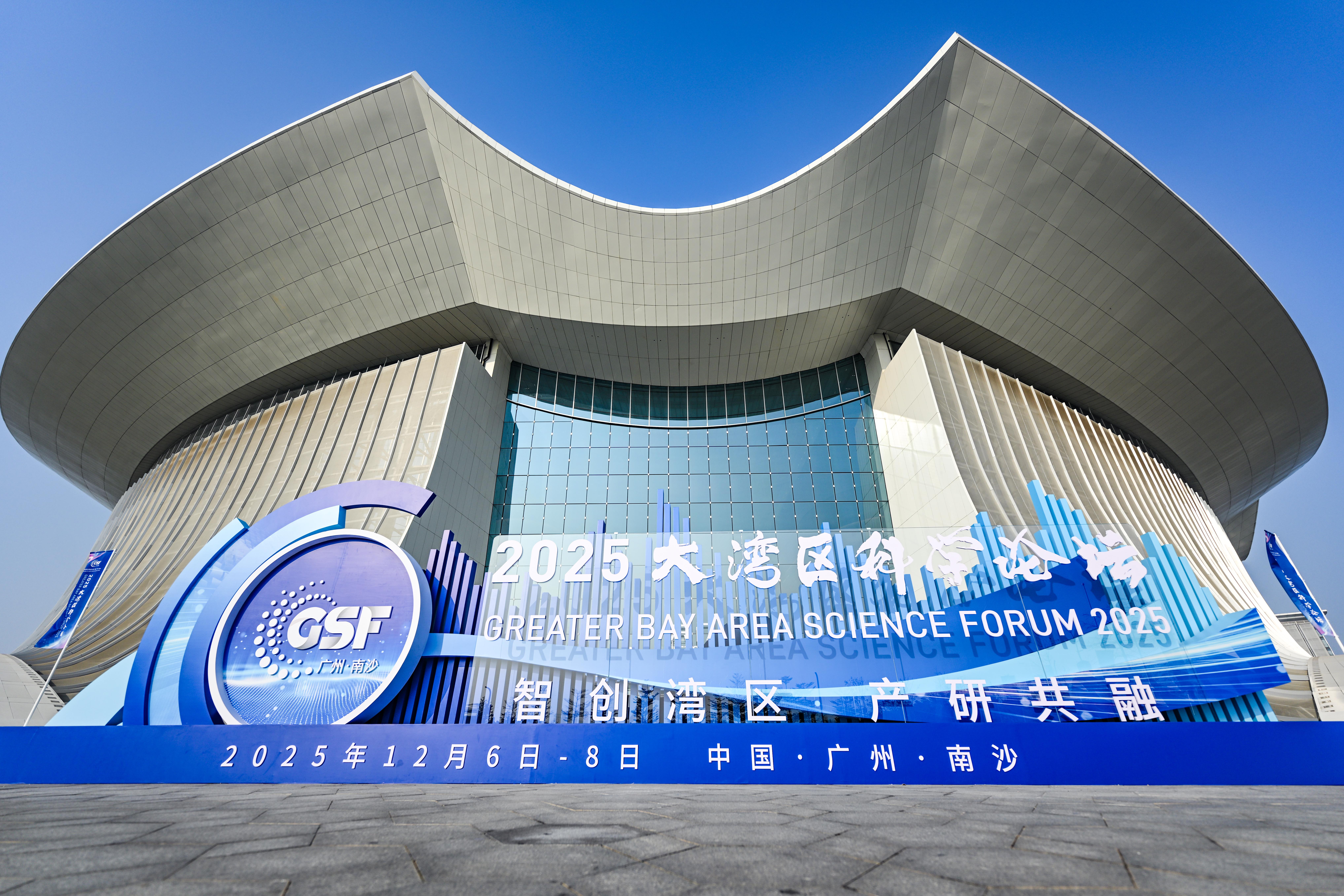
On December 7th, the 2025 Greater Bay Area Science Forum (GSF) kicked off in Nansha, Guangzhou.Co-hosted by Guangdong, Hong Kong, and Macao, the forum brings together more than 50 academicians from China and abroad to deliberate on cutting-edge topics.The day before, beside Songshan Lake in Dongguan, the Great Bay University (GBU) and the Dongguan Institute of Materials Science and Technology, Chinese Academy of Sciences (DIMST, CAS) were officially inaugurated. Taking this opportunity, reporters interviewed several academicians and experts to decode the secrets behind technological innovation and upgrades in the Guangdong-Hong Kong-Macao Greater Bay Area (GBA).
Technological breakthroughs form the core strength of this "technological innovation circle." Currently, Guangdong has ten major national scientific and technological infrastructure projects that are either completed or under construction, ranking among the leading regions in total volumenationwide. "The China Spallation Neutron Source (CSNS) has accumulated 9,200 registered users, covering all provinces across China as well as more than 30 countries and regions. It has supported 2,500 experiments for over 300 institutions," revealed Chen Hesheng, Academician of the Chinese Academy of Sciences and researcher at the Institute of High Energy Physics.
Clusters of large research infrastructures, represented by the Spallation Neutron Source (SNS), are becoming the "hard-core links" connecting the innovation forces of Guangdong, Hong Kong and Macao. These"nationally significant instruments" are increasingly empowering livelihoods and industries. Take Boron Neutron Capture Therapy (BNCT) as an example, this technology can precisely destroy cancer cells while causing minimal damage to healthy tissue. Both the equipment and targeted drugs have been domestically developed, and six clinical trials are currently underway at Dongguan People's Hospital, showing promisingpreliminary results. "Patients only need one or two treatments.In the future, this therapy will be accessible at prefecture-level hospitals, allowing more cancer patients to benefit right at their doorsteps," Chen added.

Talent is the driving engine of this "technological innovation circle." In an interview with the Yangcheng Evening News, Lionel M. Ni, Academician of the Hong Kong Academy of Engineering Sciences and Founding President of the Hong Kong University of Science and Technology (Guangzhou), emphasized that "future competition will center on 'intellectual contests.' Cutting-edge fields such as the low-altitude economy and embodied intelligence can't advance without talent and technologies like AI. He suggested that the GBA should further attract global talent, strengthen local innovation and talent development, and deepen exploration in frontier technologies.
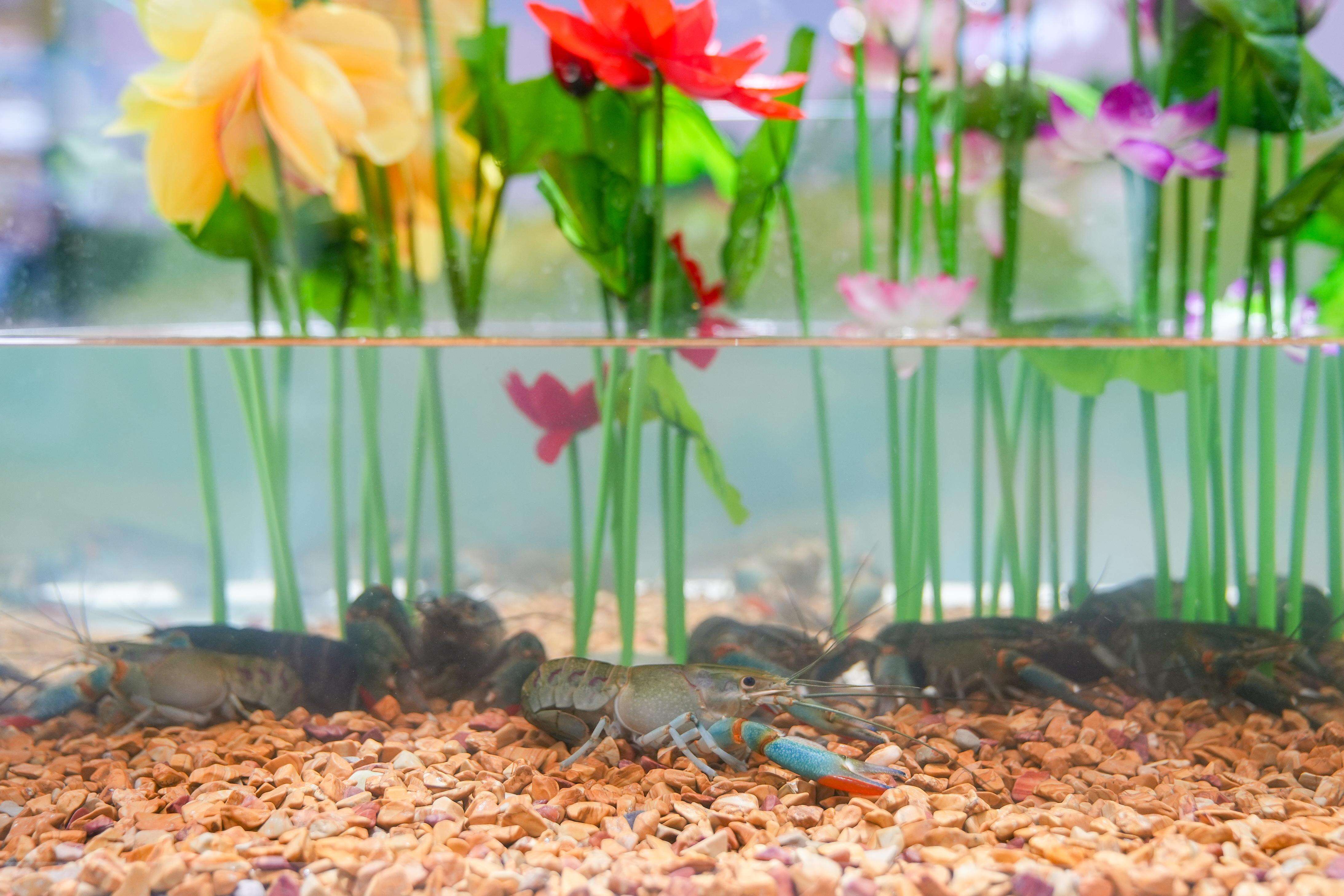
Beyond intellectual exchanges, the forum also serves as a bridge for project matching and capital partnerships. In 2024, the assistance team discovered at the forum that the demand for red claw crayfish farming aligned perfectly with the development needs of Dongyuan County in Heyuan, Guangdong. Leveraging the forum's project-matching platform, the team successfully introduced this farming project to Dongyuan, which has yielded remarkable results and was showcased at this year's GSF. "In the past, we only grew rice. Now, with the co-cultivation of rice and crayfish, each mu can produce 500 kilograms of crayfish over two seasons, increasing villagers' annual income by 60,000 yuan," said Pan Huichuang, Party branch secretary of Xiantang Town in Dongyuan County. This "crayfish connection" illustrates how the international forum transcends a purely academic framework to become a precise bond between technology and industry.
两天连发三重磅,看湾区“科创朋友圈”升级密码
12月7日,2025大湾区科学论坛在广州南沙盛大启幕,粤港澳三地同步联动,50余名中外院士等组成最强大脑齐聚论道;前一日,东莞松山湖畔,大湾区大学与中国科学院东莞材料科学与技术研究所正式亮相。借此契机,记者专访多位院士、专家,解码湾区科创升级密码。
技术攻坚是“科创朋友圈”的核心底气。目前,广东已建成和在建的国家重大科技基础设施达10个,总量跃居全国前列。“中国散裂中子源已累计注册用户9200人,覆盖全国各省及30多个国家和地区,为超300家单位完成2500个实验。”中国科学院院士、中国科学院高能物理研究所研究员陈和生透露。
以散裂中子源为代表的大科学装置集群,正成为衔接粤港澳三地创新力量的“硬核纽带”。这些“国之重器”更深度赋能民生与产业。以硼中子俘获治疗(BNCT)为例,该技术技术能精准摧毁癌细胞且对正常组织损伤极小,已实现设备和靶向药物国产化,正在东莞人民医院开展6例临床试验,初步疗效显著。“患者仅需一两次照射,未来地市级医院均可普及,让更多肿瘤患者在家门口就能受益。”陈和生介绍。
人才是“科创朋友圈”的活力内核。香港工程科学院院士、香港科技大学(广州)创校校长倪明选接受羊城晚报记者采访时强调,“未来竞争的核心是‘智慧较量’,低空经济、具身智能等前沿领域,均离不开人才、AI等技术支撑。”他建议,湾区需进一步吸引全球人才、强化本土创新人才自主培养,同时深耕前沿科技探索。
除了思想碰撞,论坛更搭建起项目对接、资本联姻的桥梁。去年,帮扶工作队在论坛现场发现,红螯螯虾的养殖需求与广东河源东源县的发展诉求高度契合。借助论坛搭建的成果对接平台,工作队成功将这一养殖项目引入东源,如今收获显著成效,在今年大湾区科学论坛上亮相。“过去单纯种稻谷,现在通过稻虾共养,每亩两季能产虾1000斤,每年可为村民增收6万元。”河源市东源县仙塘村党支部书记潘惠创介绍。这场“虾缘”,也诠释了国际论坛跳出“纯学术”框架,成为科技与产业精准匹配的纽带。
统筹|记者 黎秋玲
文字|记者 黎秋玲 郭思琦 李钢 张小悦
图|记者 梁喻 邓鼎园
翻译丨盛嘉
审校丨林佳岱
-
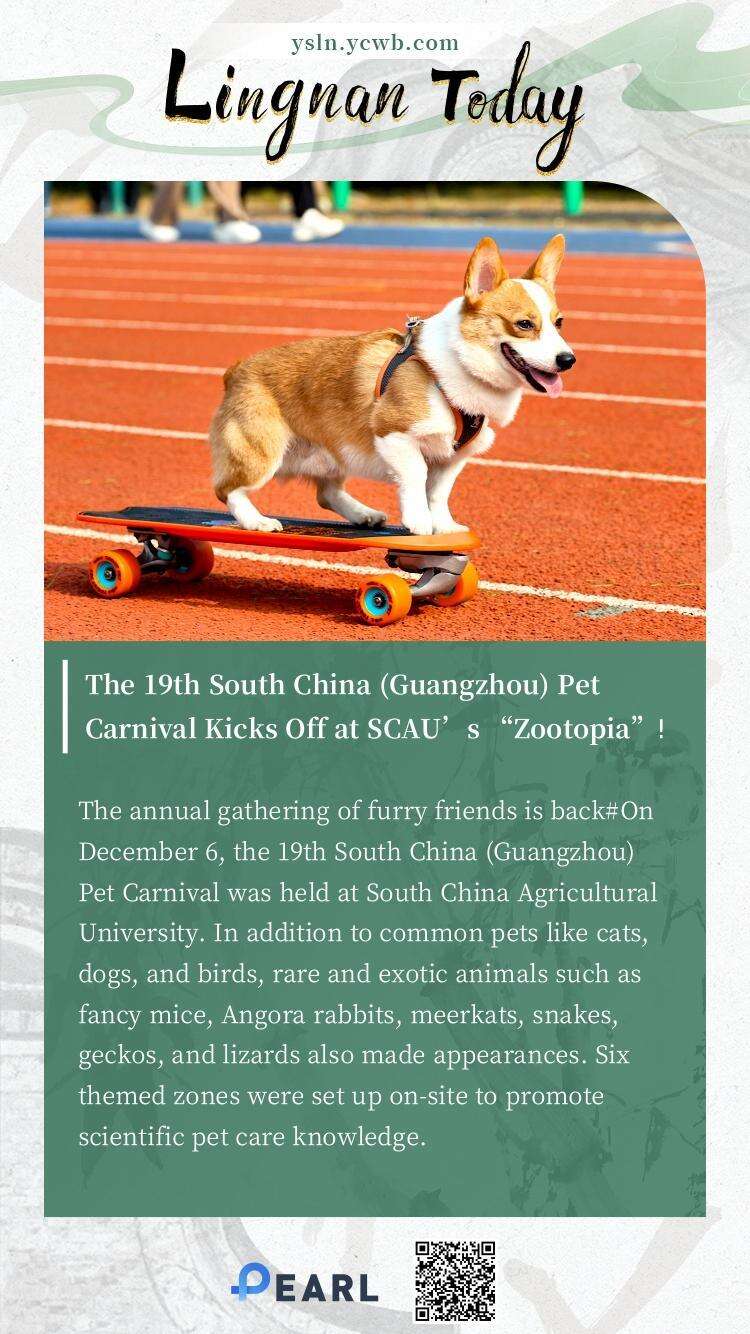 Poster丨The 19th South China (Guangzhou) Pet Carnival Kicks Off at SCAU’s “Zootopia”!2025-12-08 21:06:06
 -
The 19th South China (Guangzhou) Pet Carnival Kicks Off at SCAU’s “Zootopia”!The annual gathering of furry friends is back! On December 6, the 19th South China (Guangzhou) Pet Carnival was held at South China Agricultural University.2025-12-08 20:47:09
-
Shawan Ancient Town Hosts Lion Dance Showdown Across Guangdong, Hong Kong & MacauOn December 6, the 2025 Guangdong-Hong Kong-Macao Traditional Lion Dance Invitational Tournament officially kicked off in Shawan Ancient Town, Panyu.2025-12-08 20:46:49
-
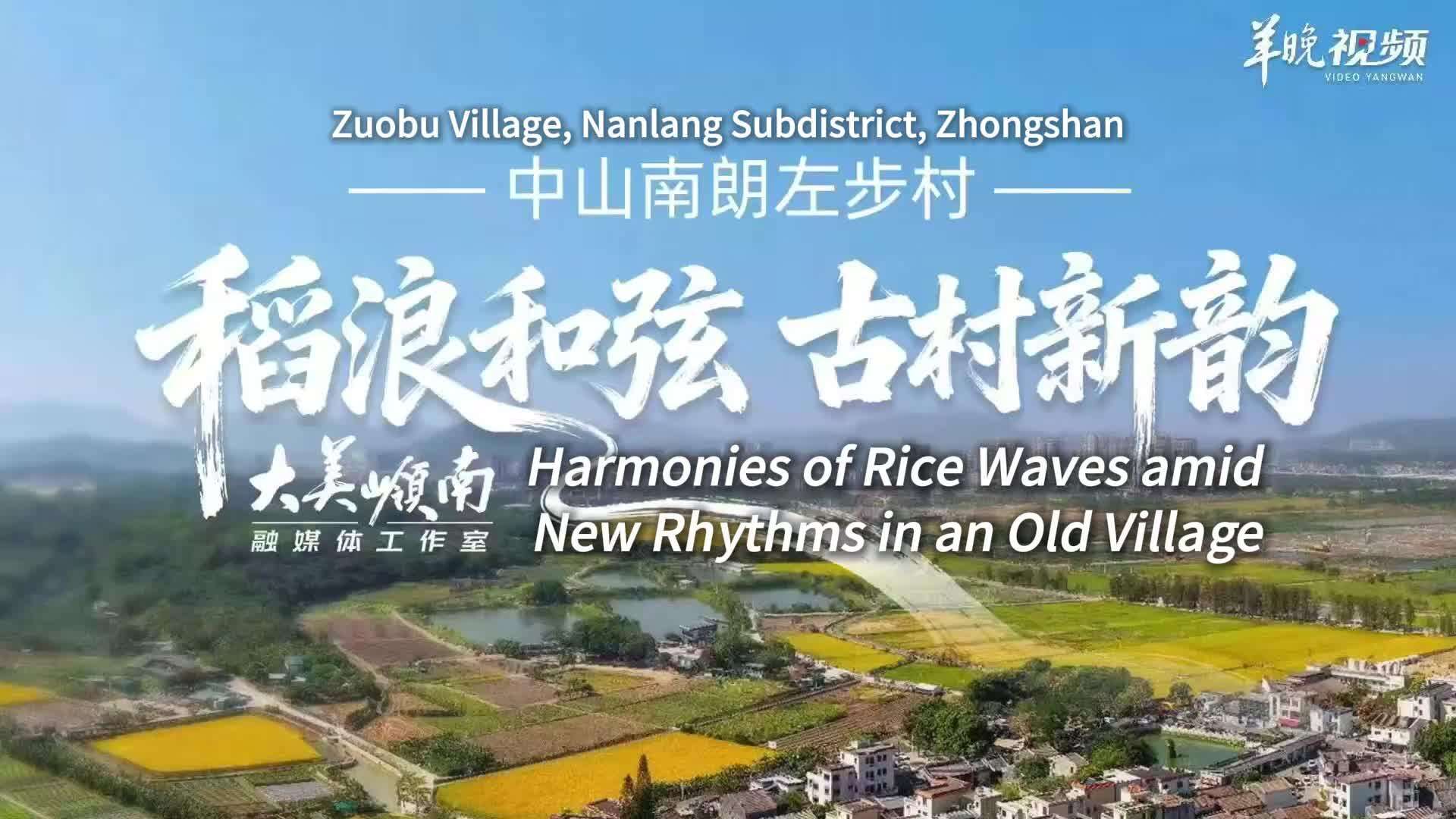 Lingnan: Beauty Beyond Borders | Zuobu Village, Nanlang Subdistrict, Zhongshan: Harmonies of Rice Waves amid New Rhythms in an Old VillageZuobu Village in Nanlang Sub district, Zhongshan, is evolving from a “Instagram-worthy spot” into a cultural haven, where visitors can enjoy immersive experiences with local heritage.2025-12-08 20:46:35