


On July 9th and 10th, the Cantonese opera "Samsui Women" was performed at the Esplanade – Theatres on the Bay in Singapore, recreating the epic struggle of Samsui women overseas. The event was hosted by the Chinese Opera Institute in Singapore, with support from the Singapore Kwangtung Hui Kuan and the Sam Sui Wui Kun.
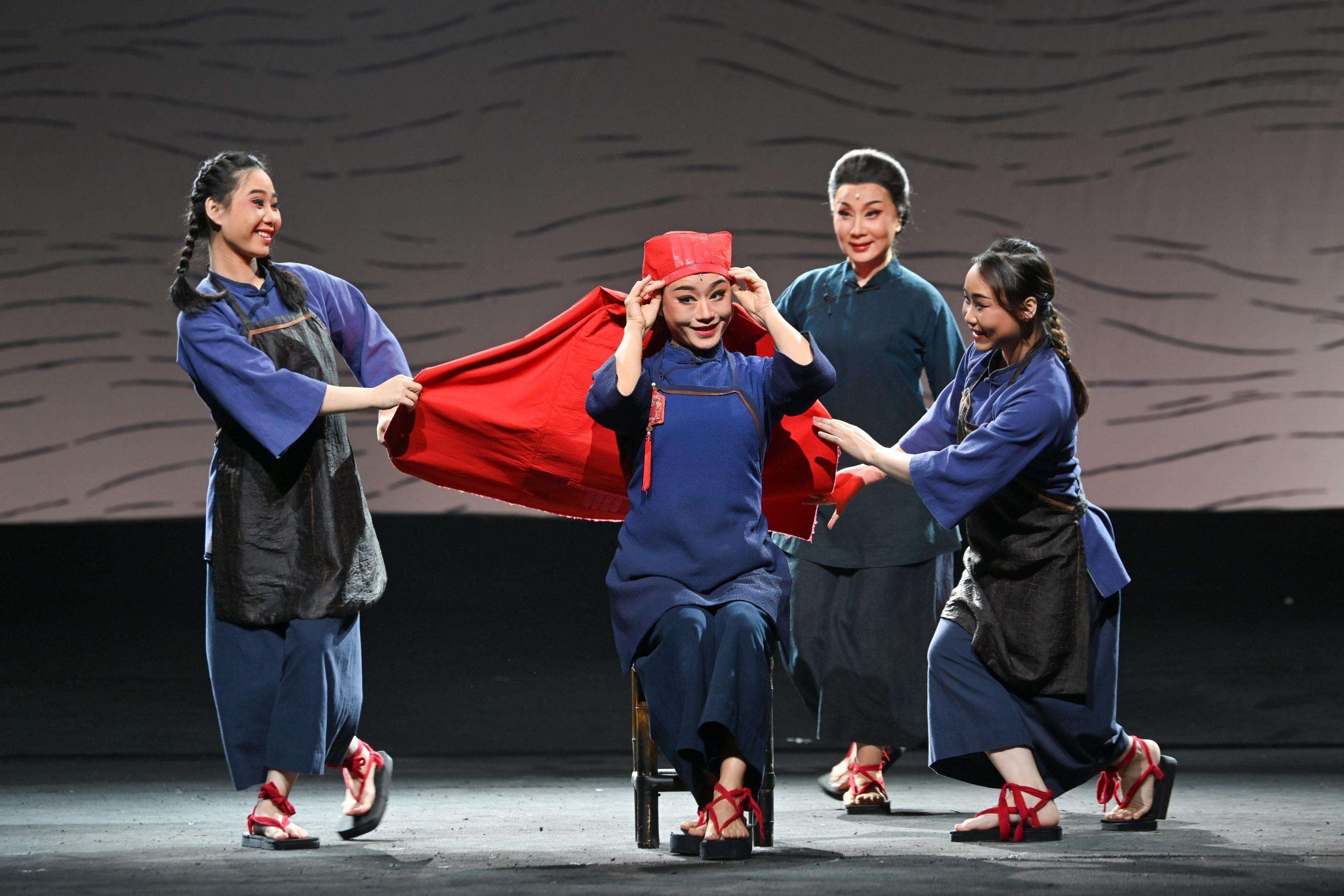
Distinguished guests in attendance included Singapore's Deputy Prime Minister Heng Swee Keat, Cultural Counselor Qin Wen of the Chinese Embassy in Singapore, Board Members from the Chinese Opera Institute including Lim Fang Hua and Lim Huan Chiang, Director Xiao Jianghua of the China Cultural Centre in Singapore,Deputy Director General Long Jiayou of the Guangdong Culture and Tourism Department, and Yan Yongshu from the Museum and Social Cultural Relics Department of Guangdong Culture and Tourism Department.
Led by Zeng Xiaomin, a new-generation leader of Cantonese opera and President of Guangdong Yueju Opera Theater, the cast included notable figures and rising stars such as Cen Haiyan, Zhu Hongxing, Tang Siguo, Xian Jiantang, and Zhai Chunyan. They presented the audience with the poignant and resilient stories of the red headscarves, whose destinies were fraught with hardships and unwavering patriotism.
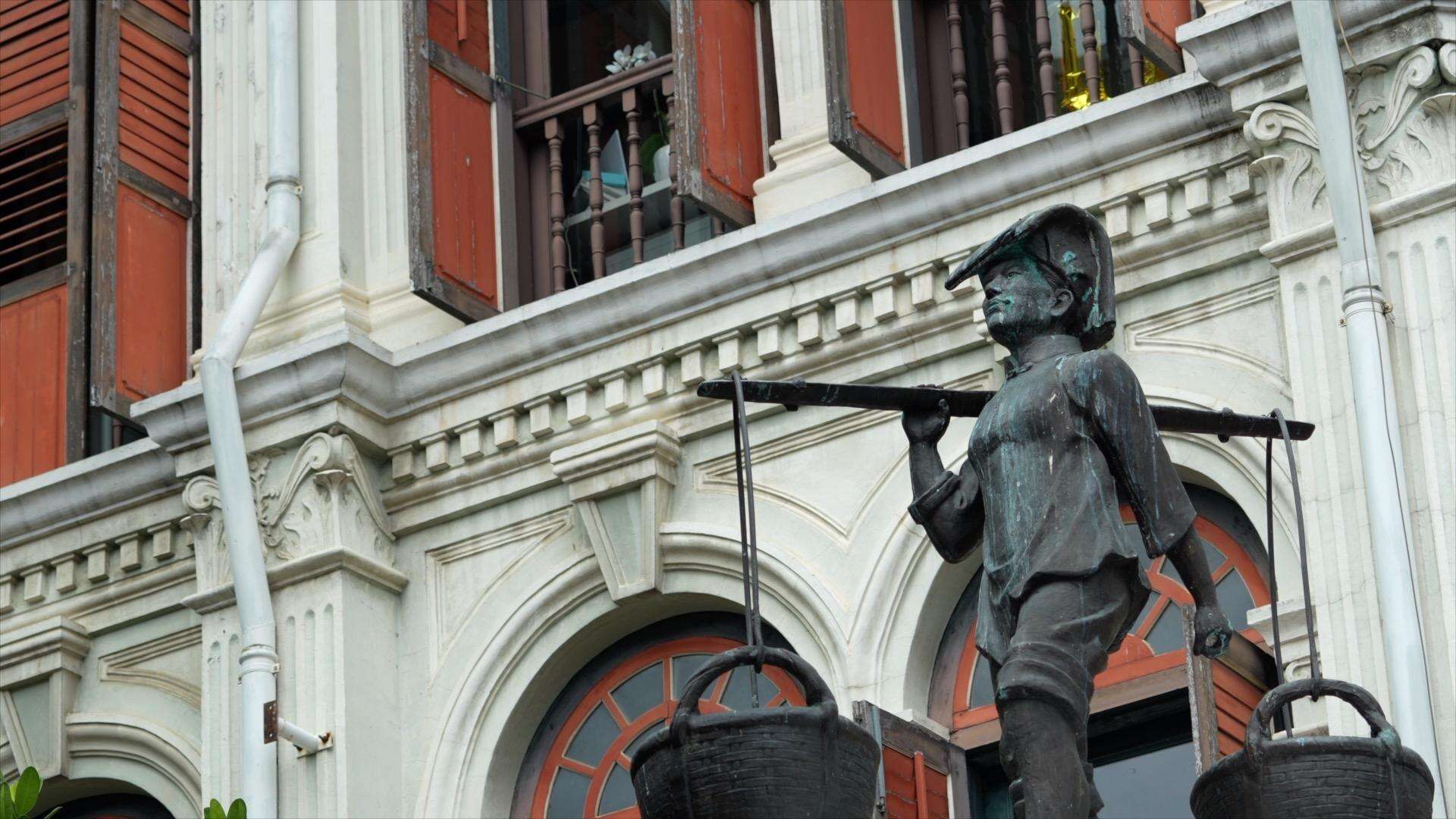
"Samsui Women" highlights the struggle and triumph of the overseas Chinese, particularly the women from Samsui who toiled in Singapore's Chinatown to build the city, forming a significant part of Singapore's 200-year history together with the country's Chinatown.
These women journeyed from the Samsui of modern-day Foshan to Singapore in the early 1930s, taking on construction work to support their families. With their delicate yet determined shoulders, they contributed to Singapore's skyline, earning the locals' respect. Their red headscarves symbolized their spirit of independence and resilience, a legacy known as the Spirit of Red Headscarf.
Zeng Xiaomin’s portrayal of the protagonist illustrates a young woman's journey through adversity, moral dilemmas, and wartime turbulence, ultimately overcoming her fears and staying true to herself. This character embodies the virtues of goodness, reflecting the collective temperament of Lingnan women and symbolizing the true, good, and beautiful qualities of Samsui women. This narrative also explores the nurturing influence of Lingnan culture on the feminine spirit. With Zeng Xiaomin's emotive singing and nuanced performance, the Spirit of Red Headscarf transcended time, resonating deeply with the audience.
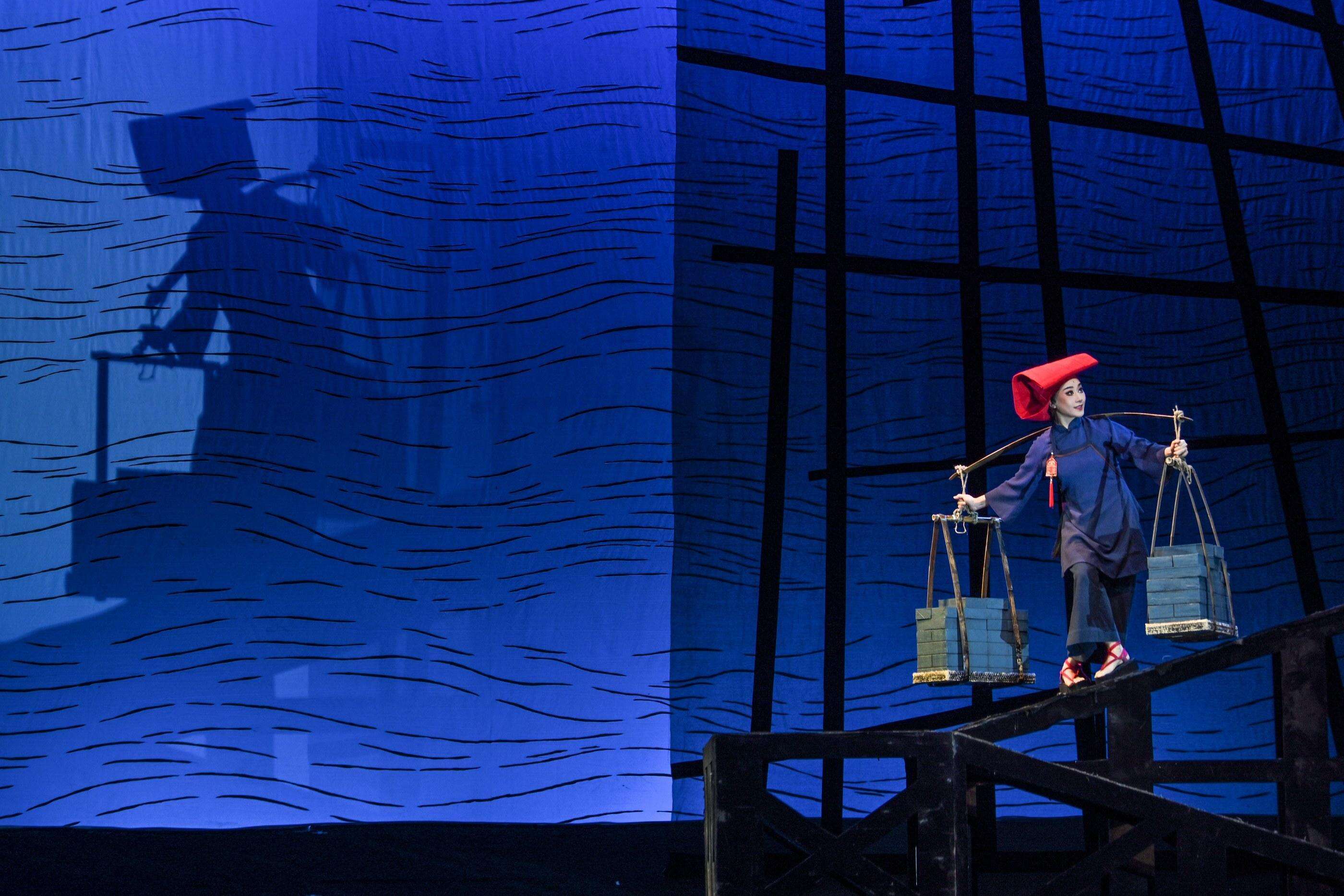
The outstanding performances moved the audience repeatedly, leading to continuous applause. Singapore's Deputy Prime Minister Heng Swee Keat praised the performance enthusiastically, exclaiming, "Good job!"
It is reported that the Guangdong Yueju Opera Theater will present another masterpiece, "The White Snake Legend", at the Esplanade Theater on July 11th and 12th.
Source :Yangcheng Evening News
粤剧《三水女儿·红头巾》狮城演出,获新加坡副总理王瑞杰盛赞
7月9日、10日,粤剧《三水女儿·红头巾》在新加坡滨海艺术中心精彩上演,重现“红头巾”的海外奋斗史诗。该演出活动由新加坡戏曲学院主办,广东会馆及三水会馆协办。
新加坡副总理王瑞杰,中国驻新加坡使馆文化参赞秦文,新加坡戏曲学院林方华、林焕章等全体董事,新加坡中国文化中心主任肖江华,以及广东省文化和旅游厅副厅长龙家有,广东省文化和旅游厅博物馆与社会文物处颜永树等嘉宾到场观演。
新一代粤剧领军人、广东粤剧院院长曾小敏,偕同岑海雁、朱红星、唐思果、冼鉴棠、翟春燕等广东粤剧院的名家新秀,为现场观众呈现了红头巾们命运多舛、坚强隐忍又心系家国的艰辛往事。
粤剧《三水女儿·红头巾》以牛车水(新加坡的唐人街)的三水红头巾为代表的华侨的奋斗故事,连同牛车水的发展构成了新加坡200年历史的重要组成部分。
20世纪30年代初,一群佛山三水女子漂洋过海到新加坡,做建筑工养家糊口。她们以柔弱身躯,肩挑手提,搭起了狮城的高楼大厦。她们头顶一方红头巾,在辛勤劳作中成就着自己的价值,赢得了狮城人民的尊重。她们独立自重的人格品质和生命丰采,被视为华人华侨融入海外世界的“红头巾精神”。
曾小敏饰演的女主人公“带好”,展现了一个小女子在逆境求存、人性抉择和战争侵扰中,一步步战胜怯弱、坚守自我的过程。一如她的名字“带好”,集合了“好”所涵摄的美德,集合了岭南女性的集体气质,象征着所有三水女儿的真、善、美,传承着中华民族传统美德,也呈现出对岭南文化滋养女性生命价值的思考。伴随曾小敏深情婉转的唱腔和细腻到位的演绎,“红头巾精神”穿越百年时空,直击现场观众的心灵。
演员们的出色表演,一次又一次感动了观众,现场掌声不绝,新加坡副总理王瑞杰连连点赞“Good job!”
据悉,广东粤剧院还将于7月11日、12日在当地滨海艺术中心呈献另一部粤剧佳作《白蛇传·情》。
文|记者 黄宙辉 通讯员 林楷虹
图|薛才焕 林楷虹
译|郑圣浩


-
Poster | Liannan, Qingyuan: Lotus flowers appear even more delicate in the swaying lotus leaves
2024-07-11 21:31:39 -
Y Talk 73|Why Forum on China-Africa Local Government Cooperation choose Guangdong?中非地方政府合作论坛首次到北京以外城市举办,为何选择广东?
2024-07-11 21:38:01 -
Rare bird Emerald Cuckoo spotted for the first time at Jiuli Lake, Heyuan
2024-07-11 21:38:46 -
A foreigner's experience of Chinese-style romance: "So great!"
2024-07-11 21:38:59