


At the International Union for Conservation of Nature (IUCN) World Conservation Congress 2025 held in Abu Dhabi, United Arab Emirates, the IUCN Red List was released, showing that of the 172,620 species included so far, 48,646 are now threatened with extinction.
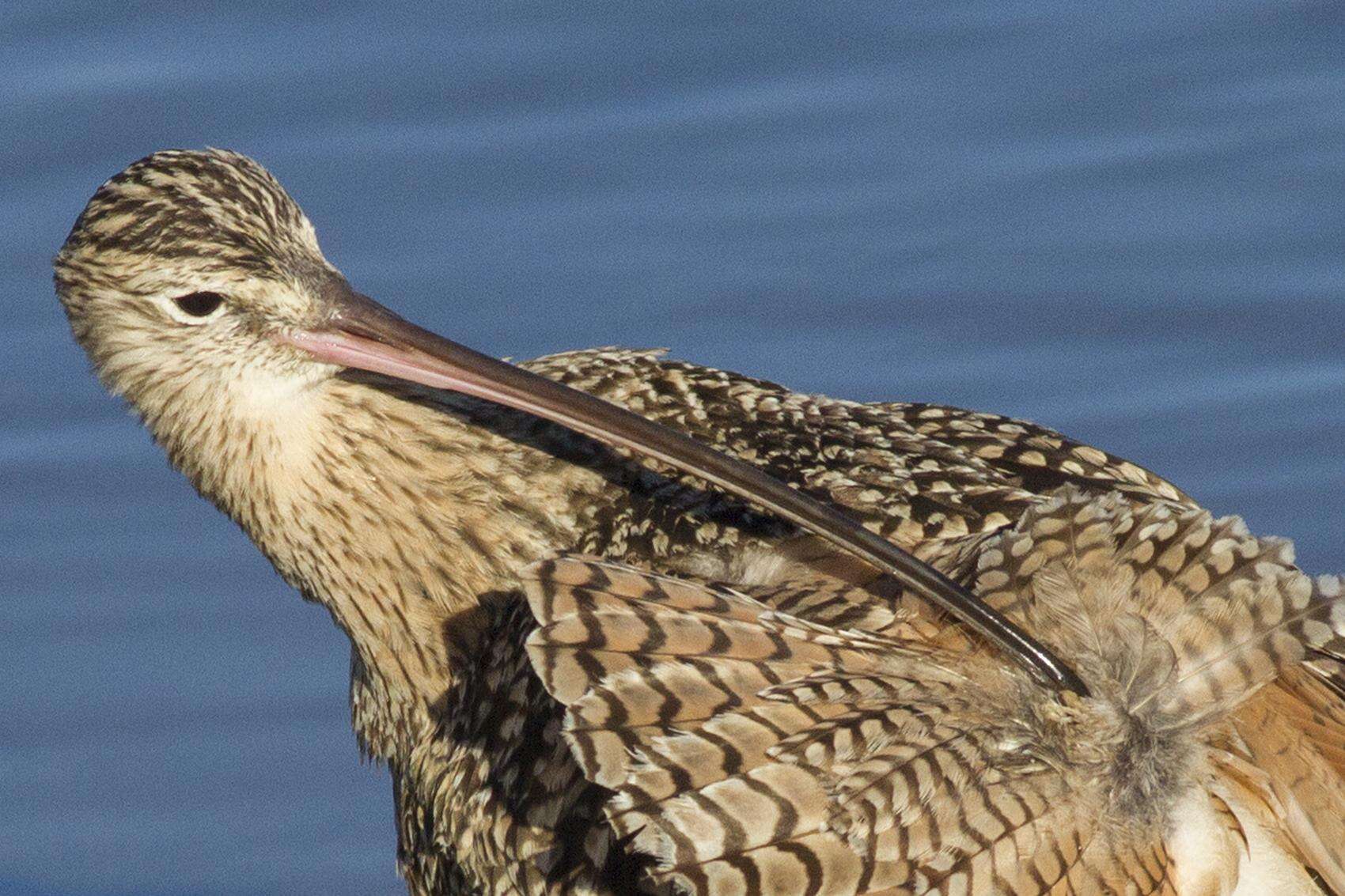
On October 10th, 2025, the IUCN officially declared the Slender-billed curlew (Numenius tenuirostris) globally extinct. Once a widely distributed migratory bird across Eurasia and North Africa, this species has not been reliably recorded since its last confirmed sighting in Morocco in February 1995. Its extinction is attributed primarily to habitat loss and hunting. Since the 19th century, agricultural expansion and the reclamation and conversion of wetlands have deprived these birds of key stopover sites, which are essential for their survival during migration.
The Desert rat-kangaroo (Caloprymnus campestris), a small marsupial native to the arid interior of Australia, was also formally declared extinct in 2025. The last confirmed physical record of this species dates from 1935. These animals historically inhabited harsh environments, including stony plains, sand dunes, and salt flats, sheltering by day and being active at night. Scientists believe the species' extinction was mainly due to predation by introduced red foxes (Vulpes vulpes) and feral cats in the 19th century, with habitat degradation from invasive grazing animals likely accelerating its decline.
Additionally, Conus lugubris, an endemic cone snail found in Cape Verde, the small island nation off the west coast of Africa, was officially declared extinct in 2025. This species suffered catastrophic habitat loss since the late 1980s due to coastal tourism development and port construction. From 2018 onward, increased rainwater diversion, brine discharge from desalination plants, and other waste further increased sedimentation in the vicinity, resulting in the complete loss of its remaining habitat.

2025年,又有不少物种宣告灭绝
2025年在阿联酋阿布扎比举行的世界自然保护联盟(IUCN)世界自然保护大会上发布,迄今已收录的172,620个物种,其中48,646个面临灭绝威胁。
2025年10月10日,IUCN正式宣布细嘴杓鹬在全球范围内灭绝。这是一种曾广泛分布于欧亚大陆和北非的迁徙鸟类,自1995年2月在摩洛哥被最后一次确凿观测到后,再无可靠记录。该物种灭绝主要是栖息地丧失和狩猎所致。自19世纪以来农业扩张和湿地开垦与转化,也剥夺了它们在迁徙过程中关键的生存中转站。
沙漠鼠袋鼠是一种小型有袋动物,2025年正式宣布灭绝。它们曾生活在澳大利亚内陆干旱地区,最后确切实体记录停留在1935年。沙漠鼠袋鼠喜欢栖息在石质平原、沙丘和盐碱滩等严酷环境中,白天藏身,夜间活动。科学家认为,其灭绝的主要原因是19世纪引入澳大利亚的赤狐和野猫的捕食,外来食草动物导致的栖息地退化也可能加速了这一进程。
2025年,非洲西海岸佛得角的一种特有芋螺Conus lugubris被正式宣布灭绝。自20世纪80年代末以来,这种芋螺的栖息地因旅游开发和港口建设而遭受毁灭性打击。从2018年开始,雨水引流、海水淡化厂的浓盐水与废弃物排放更增加了附近的沉积物,导致其最后的栖息地完全丧失。
翻译丨郑奕玲
审校丨赵凡
-
 Gallop into Museums in Guangdong This New Year: A Celebration of “Horse” CultureGallop into the new year with Guangdong’s finest “horse” highlights!2026-01-12 20:39:29
 -

Guangzhou Embraces a Sea of Purple Blooms: Come and Immerse Yourself in This Wonderland
A fresh look for the Flower City!2026-01-12 20:39:29 -
 Danji Village, Zhapo Town, Yangjiang: Flower Fields Facing the Sea | Revitalizing 100 VillagesIn Danji Village, Zhapo Town of Yangjiang, mountains meet the sea and waves roll right up to the village.2026-01-12 20:39:23
 -
 Foshan Aizhu Canteen serves 55,000 free meals to seniors in three yearsThe canteen has also become a warm community hub, offering sanitation workers, couriers, food delivery riders and other people in need a place to rest, as well as access drinking water, emergency medicines and leisure reading.2026-01-11 21:16:38