


On December 12th, the 2025 Guangdong-Hong Kong-Macao Greater Bay Area Artificial Intelligence and Robotics Industry Conference and the Guangdong Artificial Intelligence and Robotics Skills Competition opened in Guangzhou.
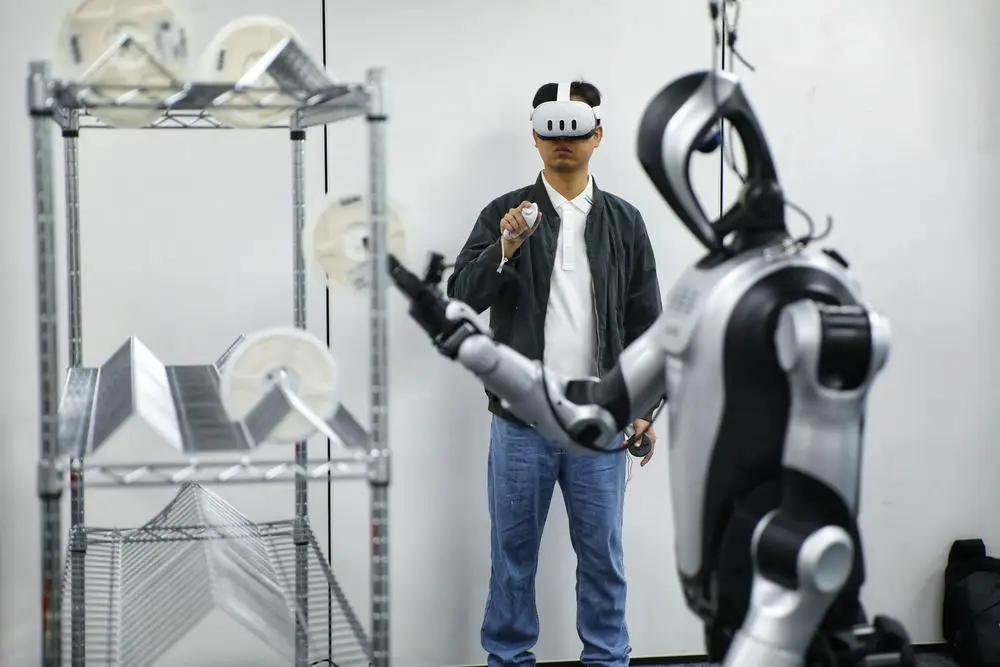
In Guangdong, the rapid evolution of embodied intelligence is driven by a combination of corporate technological innovation, support from the industrial ecosystem, and policy support. Astribot is a representative example of this development path. The company began mass production in June this year, establishing a production line capable of delivering thousands of units. This progress is enabled by the Greater Bay Area's dense and complete electronic information and advanced manufacturing ecosystem. Thanks to the region's "two-hour innovation circle," companies can greatly shorten R&D cycles, completing everything from design adjustments to procurement of key components within just a few hours' travel.
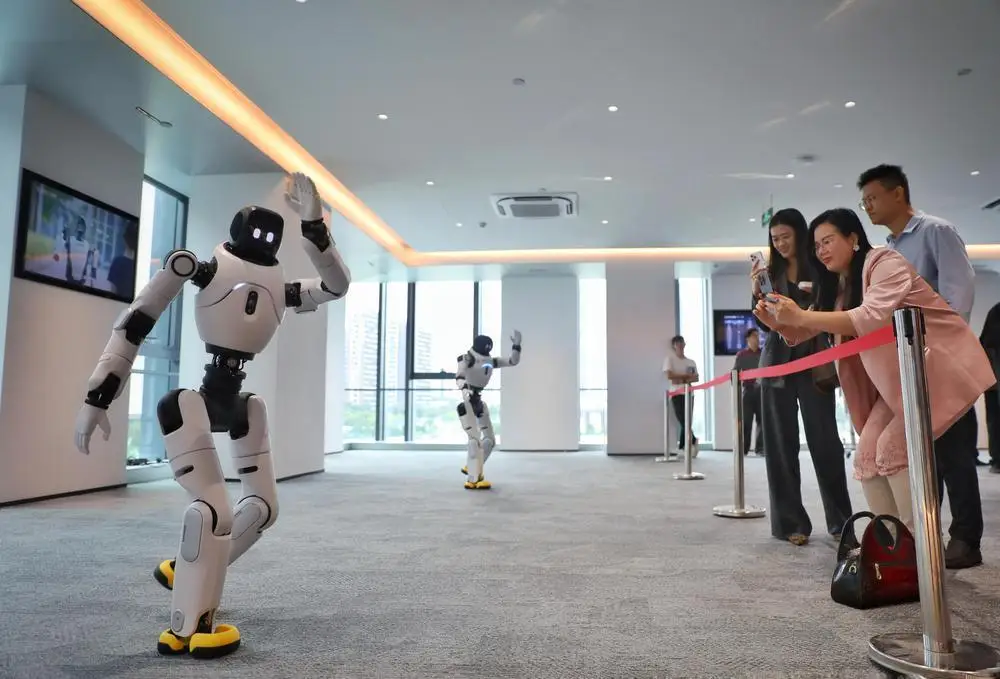
In March this year, Guangdong released the "Several Measures for Promoting the Innovative Development of Artificial Intelligence and Robotics Industry in Guangdong Province," offering structured support across 12 areas including breakthroughs in core technologies, opening up application scenarios and establishment of manufacturing innovation centers and industrial funds. National-level manufacturing innovation centers in AI and robotics can receive up to 50 million yuan in funding.
Latest data show that from January to October 2025, the value of Guangdong's core AI industries exceeded 230 billion yuan.
Investment is also accelerating. A number of well-known companies have secured major contracts. In July and September, UBTECH Robotics received orders worth 90.51 million yuan and 250 million yuan respectively, setting a new global record for the largest single contract in the humanoid robotics sector.
The Greater Bay Area has so far established 31 Guangdong-Hong Kong-Macao joint laboratories. The Shenzhen-Hong Kong-Guangzhou innovation cluster has ranked second globally in the Global Innovation Index for five consecutive years, and rose to first place globally for the first time in 2025.
广东如何描绘AI与机器人产业新增长曲线?
2025粤港澳大湾区人工智能与机器人产业大会暨广东省人工智能与机器人技能大赛12月12日在广州开幕。
在广东,具身智能的进化是企业技术创新、产业生态支撑和政策支持的多方面联动。星尘智能正是这条路径的典型样本。据介绍,星尘智能今年6月已正式量产,建成千台级产线。这得益于大湾区密集、完整的电子信息和先进制造业生态:大湾区“两小时生态圈”让研发周期大幅缩短——无论是构型还是拿到关键部件,都能在数小时车程内完成。
今年3月出台的《广东省推动人工智能与机器人产业创新发展若干政策措施》,从关键核心技术攻关、应用场景开放,到制造业创新中心建设、产业基金设立等12个方面给出成体系支持:对人工智能与机器人领域的制造业创新中心,国家级单个最高可获5000万元资金支持。
最新数据显示,2025年1-10月,广东人工智能核心产业规模超2300亿元。
资本也在加速汇聚。一批知名企业陆续获得大额订单,其中,优必选在7月份、9月份连续斩获9051.15万元、2.5亿元订单,刷新全球人形机器人最大的单一合同纪录。
据悉,大湾区目前已建成31家粤港澳联合实验室,“深圳-香港-广州”科技集群连续五年蝉联全球创新指数第二位,并于2025年首次跃居全球首位。
文 | 记者 孙晶 扶贝贝
翻译 | 曾敏
审校 | 林佳岱
-
 A Bowl of Lei Cha, A Millennium of Hakka CharmIn the vibrant tapestry of Hakka life, a bowl of Lei Cha embodies millennia of history and culture.2025-12-12 21:04:56
 -
Winter Blooms in Xiaolan, Zhongshan: Discover the Cultural Charm of “Chrysanthemum City”Since its opening on November 28, the 2025 Xiaolan Chrysanthemum Fair in Zhongshan has continued to surge in popularity, fueling a wave of cultural and tourism excitement across the region.2025-12-12 21:04:56
-
12 New Records Set on Day 2 of Paralympic & Special Olympics SwimmingCompetitionsOn December 10, the second day of the “PICC Cup” swimming competitions of the 12th National Games for Persons with Disabilities & 9th National Special Olympics Games unfolded at the Shenzhen Universiade Center Natatorium.2025-12-12 21:04:56
-
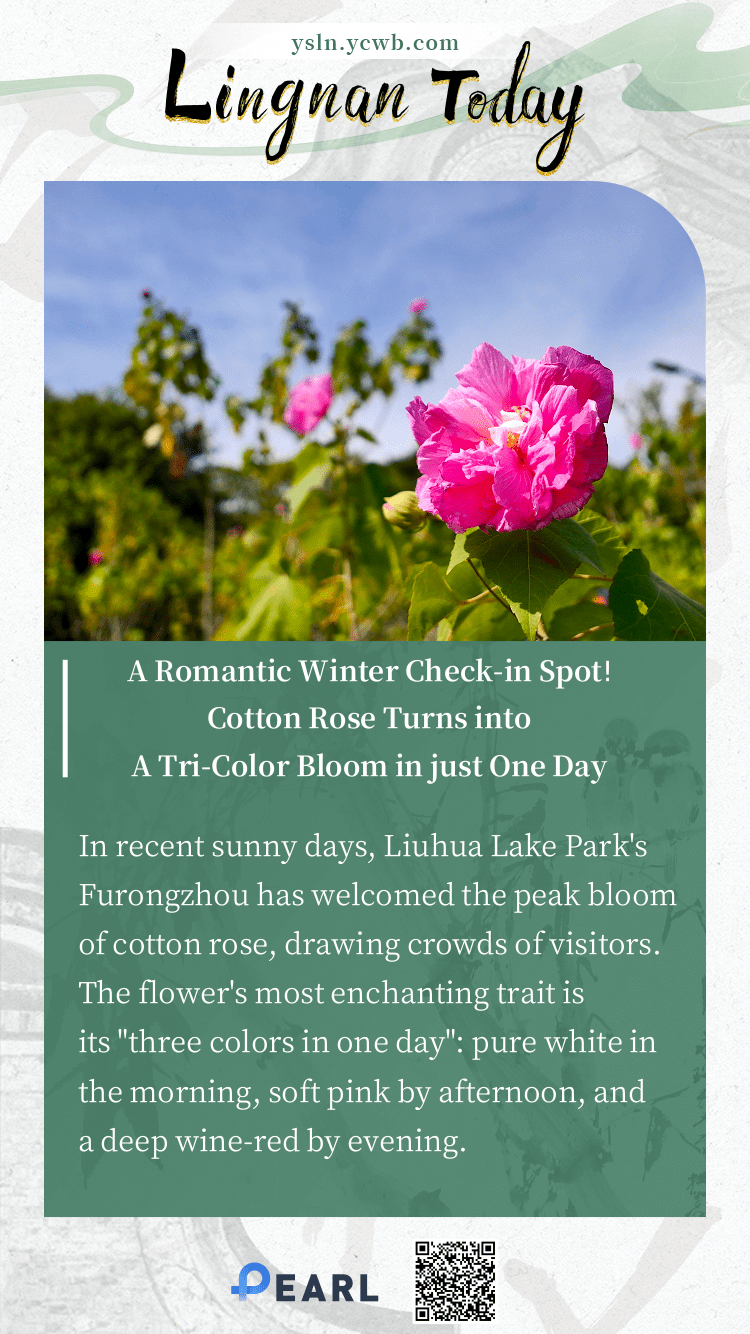 Poster | A Romantic Winter Check-in Spot! Cotton Rose Turns into a Tri-Color Bloom in just One Day2025-12-11 22:42:09