


The gifts of the sea sometimes appear in an unexpected way. At the market stall of the Shenzhen girl Andi, oyster shells discarded after consumption are carefully transformed into elegant and unique household items.
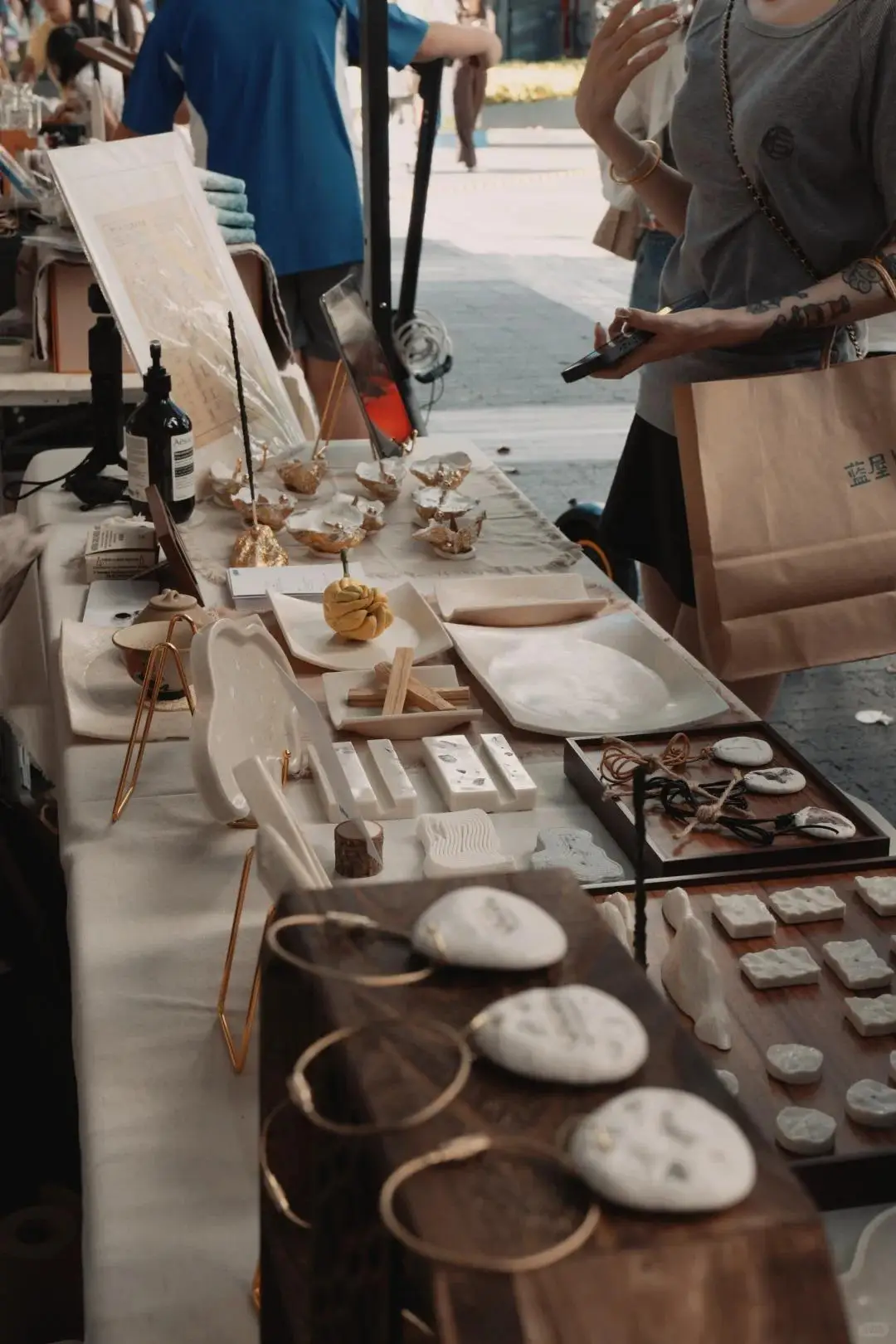
"Traditional methods like landfill and incineration not only waste resources but also pollute the environment," said Andi. Thus, an idea began to take root in her mind: could these "marine waste" be given new value?
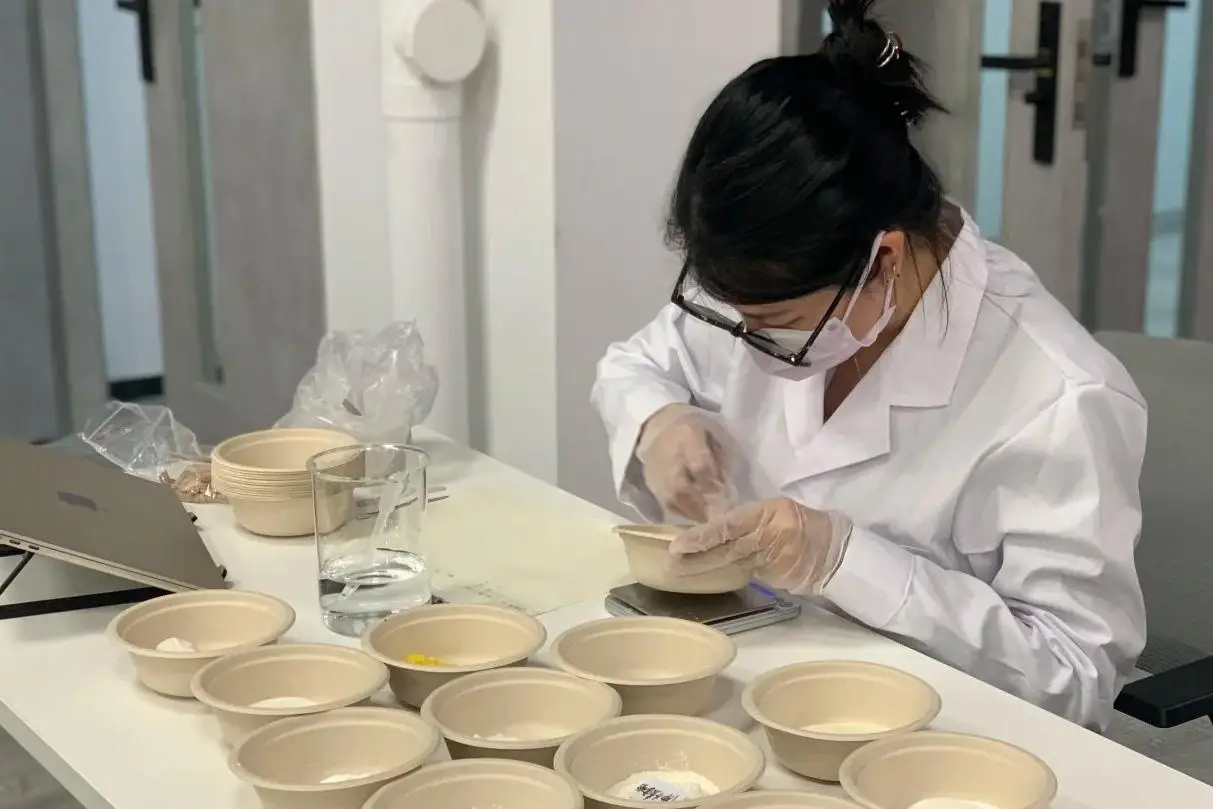
The creative process is like the ebb and flow of tides, with daily challenges that are specific and trivial: the only way to process the shells is by repeated washing, drying, grinding, and sieving. From dozens of failed formulation tests to finally developing a stable oyster-shell-based material, the birth of each item is the result of "doing, exploring, and adjusting".
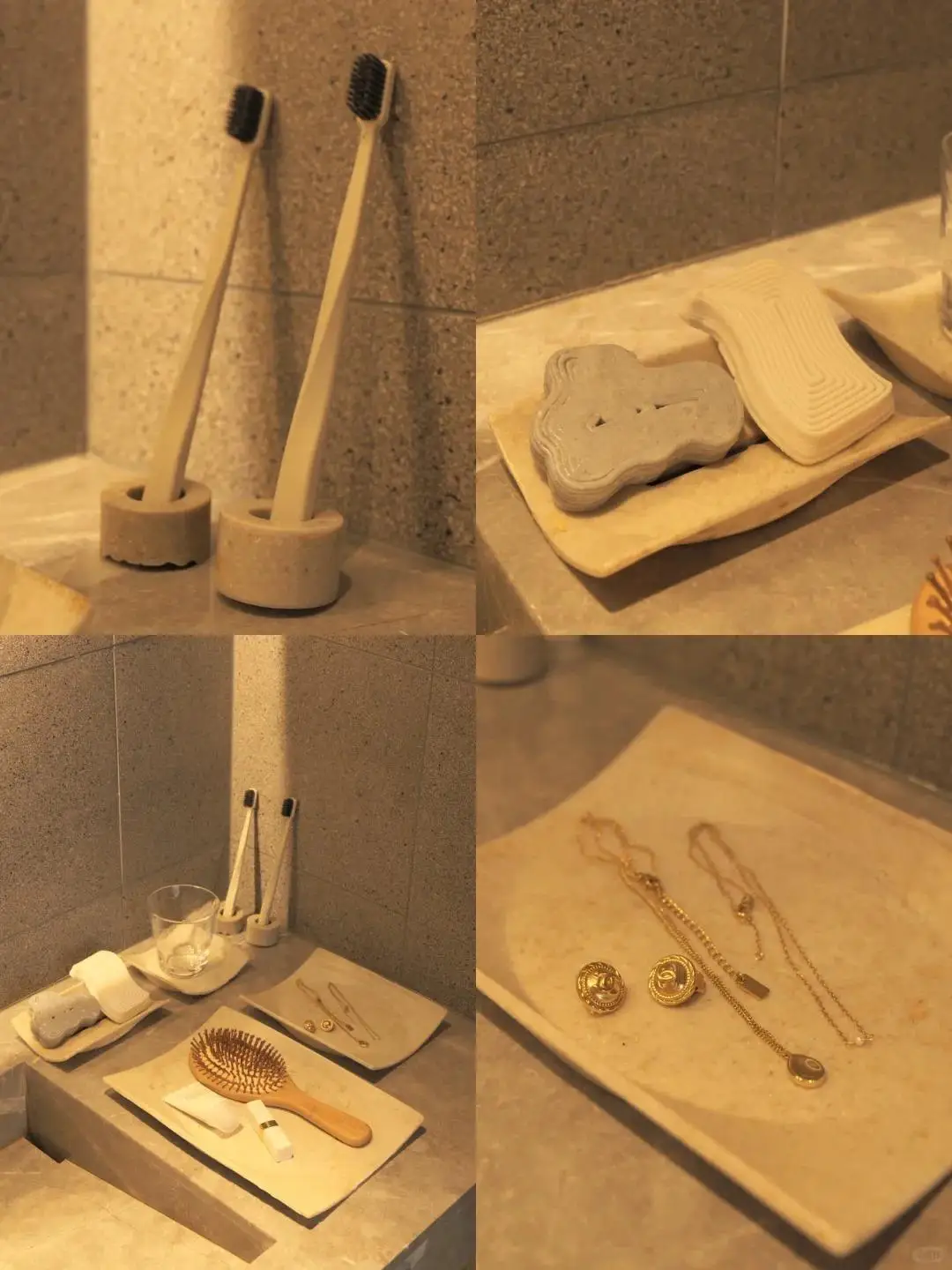
What Andi wants to do is not only "turn waste into treasure" but also to establish a practical recycling and reuse pathway. She collects discarded oyster shells from the community, treats them, and turns them into everyday items such as tableware and incense holders. When these objects have fulfilled their purpose, they can either be crushed and returned to the production cycle or naturally biodegrade, eventually returning to the soil as nutrients.
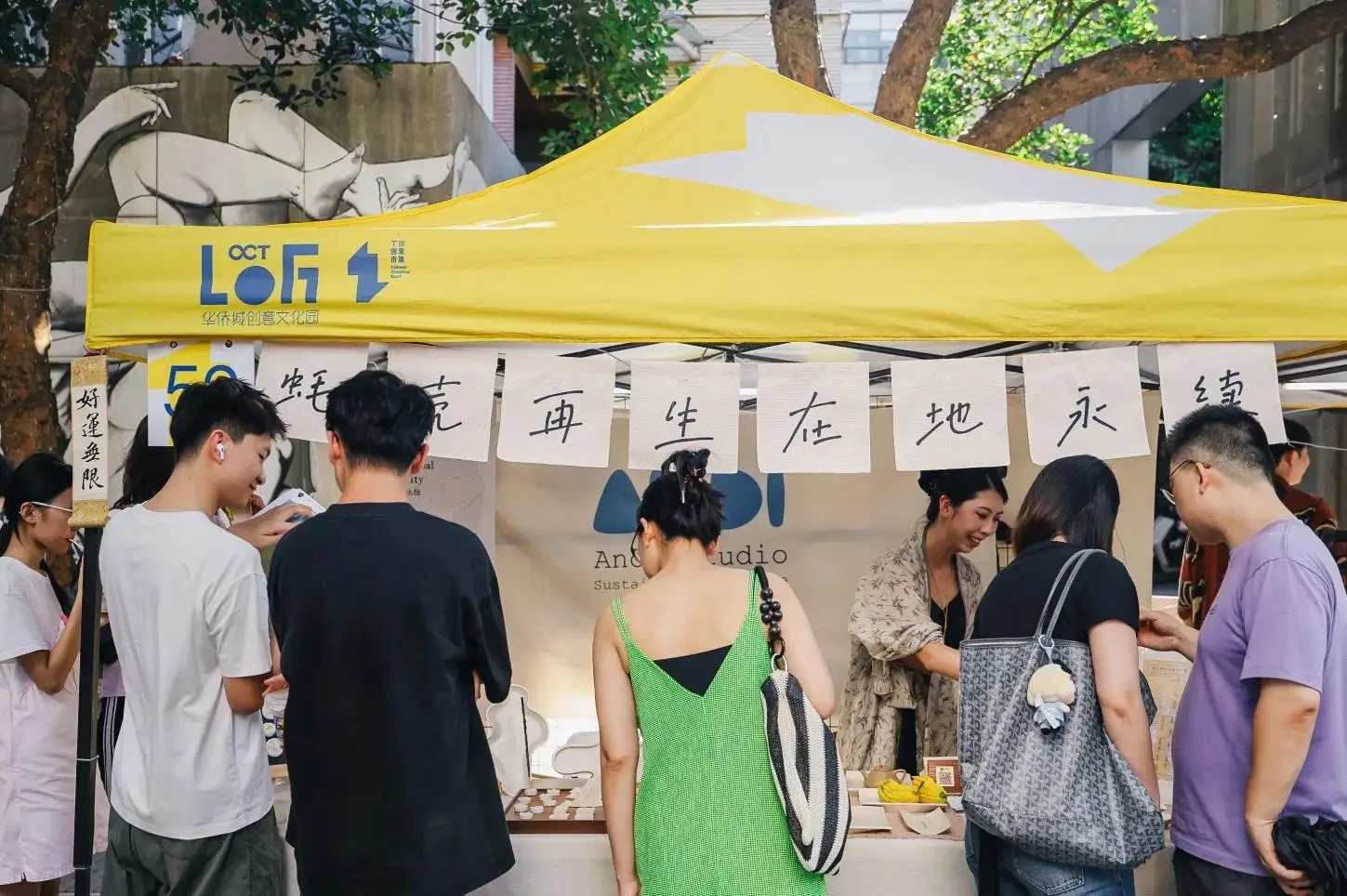
Andi's efforts add a delicate footnote to the shift of the marine economy toward high-value and sustainable development. Along this path, more creators like Andi are injecting new vitality into the marine economy with culture, aesthetics, and personalized consumption.
深圳女孩让废弃蚝壳成为艺术品
大海的馈赠,有时会出现在意想不到的地方。在深圳女孩Andi的市集摊位上,那些被食用后丢弃的生蚝壳,经过精心改造,成为素雅而独特的生活器物。
“传统填埋焚烧不仅浪费资源且污染环境。”于是,一个念头在她心底悄然生根:能不能通过设计,让这些“海洋垃圾”重新产生价值?
创作的过程犹如潮汐起伏,每天面临的挑战具体而琐碎:处理蚝壳只有重复的清洗、晾晒、研磨、筛分。从经历几十次配方调试失败,到终于研发出稳定的蚝壳基材料,每一件器物的诞生,都是“边做、边摸索、边调整”的沉淀。
Andi想做的,不仅是“变废为宝”,更是希望构建一套“循环再生路径”:从社区回收废弃蚝壳,经处理后设计成餐具、香插等生活器物;等这些器物完成使命后,既能粉碎后重新进入生产环节,也能自然降解,最终回归土壤成为养分。
Andi的尝试,为海洋经济向高附加值、可持续方向发展增添了一份细腻的注脚。在这条路上,越来越多如Andi般的创作者,正为海洋经济注入文化、美学与个性化消费的新活力。
统筹 | 胡军
文案 | 刘慧君 胡军
剪辑、素材整理 | 刘慧君
素材 | 小羊拍客 @Louster+
翻译 | 柯妃娟
审校 | 赵凡
-
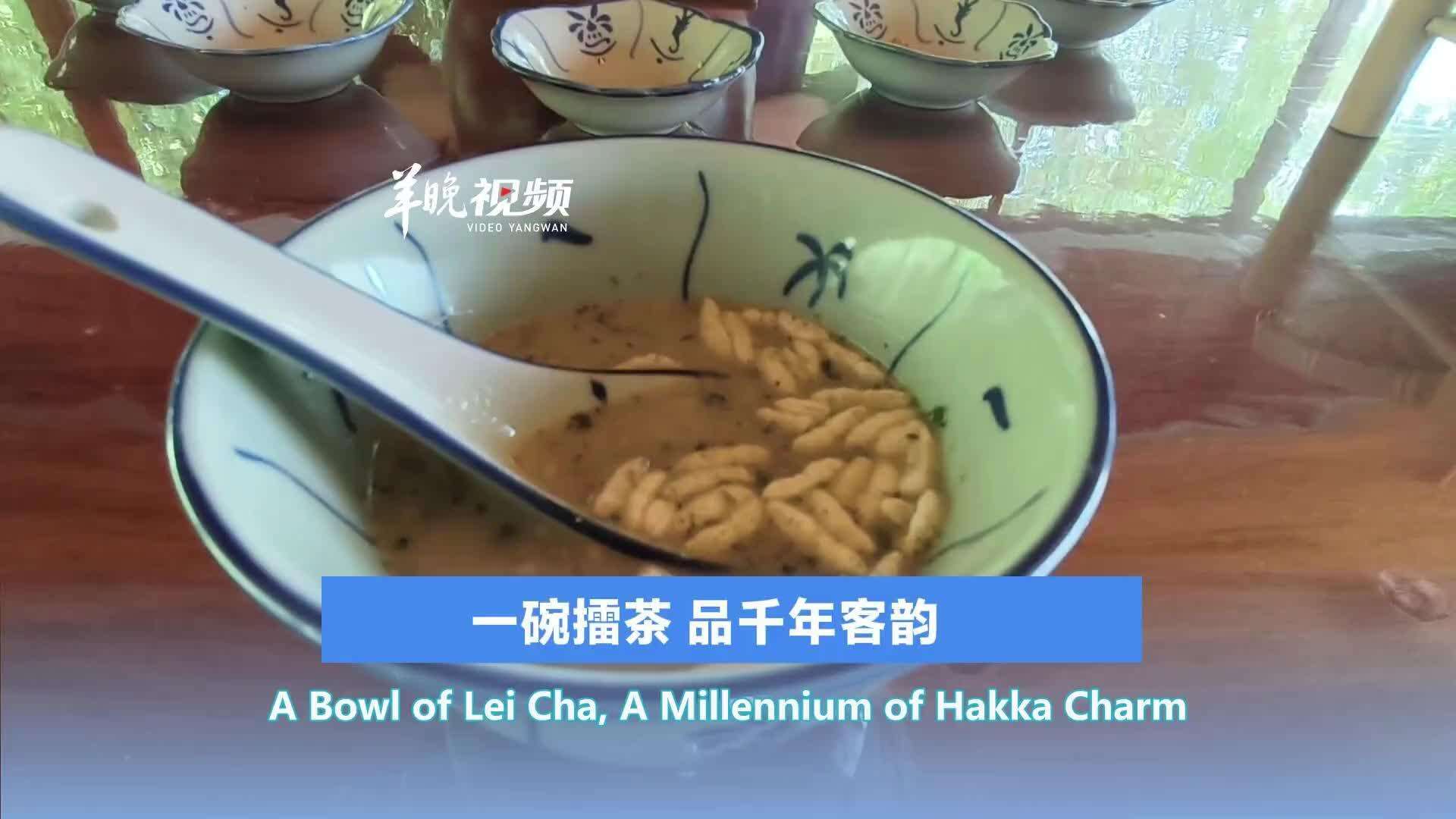 A Bowl of Lei Cha, A Millennium of Hakka CharmIn the vibrant tapestry of Hakka life, a bowl of Lei Cha embodies millennia of history and culture.2025-12-12 21:04:56
 -
Winter Blooms in Xiaolan, Zhongshan: Discover the Cultural Charm of “Chrysanthemum City”Since its opening on November 28, the 2025 Xiaolan Chrysanthemum Fair in Zhongshan has continued to surge in popularity, fueling a wave of cultural and tourism excitement across the region.2025-12-12 21:04:56
-
12 New Records Set on Day 2 of Paralympic & Special Olympics SwimmingCompetitionsOn December 10, the second day of the “PICC Cup” swimming competitions of the 12th National Games for Persons with Disabilities & 9th National Special Olympics Games unfolded at the Shenzhen Universiade Center Natatorium.2025-12-12 21:04:56
-
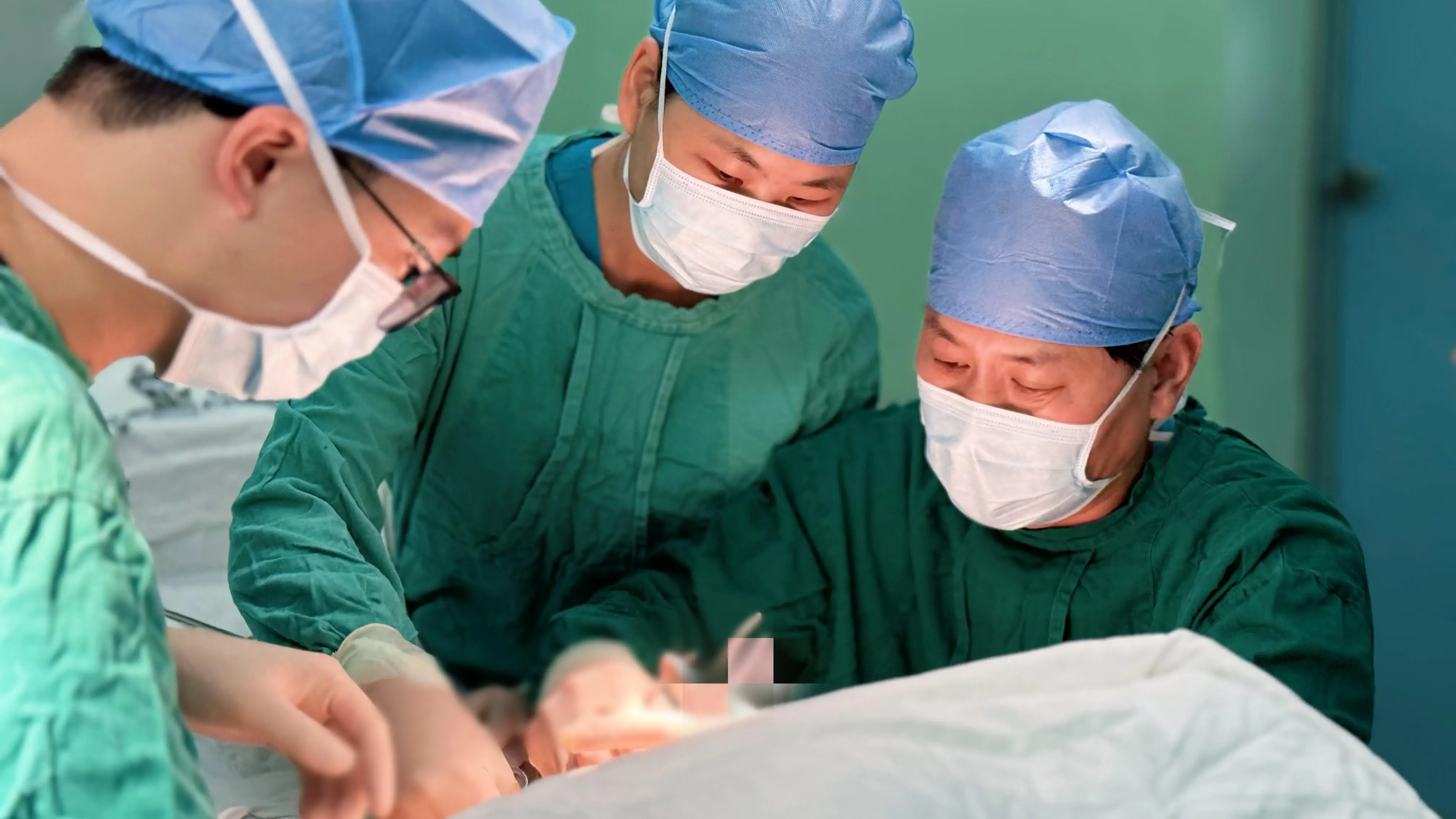 Why patients travel thousands of miles to seek treatment in Guangzhou?"I can finally sleep through the night!" said 19-year-old Anbolat from Kazakhstan, smiling again at the Institute of Chest Wall Surgery of Guangdong Second Provincial General Hospital on December 10th.2025-12-12 21:29:40