


On November 21st, the closing ceremony of the 15th National Games (the Games) was held in Shenzhen, marking the end of the 13-day sporting event. Zhang Yuge, a council member of the Chinese Association of Hong Kong & Macao Studies and head of the Hong Kong, Macao and Regional Development Research Institute of China Development Institute, noted that this innovative breakthrough, a unified approach to tasks, policies and regulations across the three regions, is underpinned by the institutional strength of "one country, two systems."
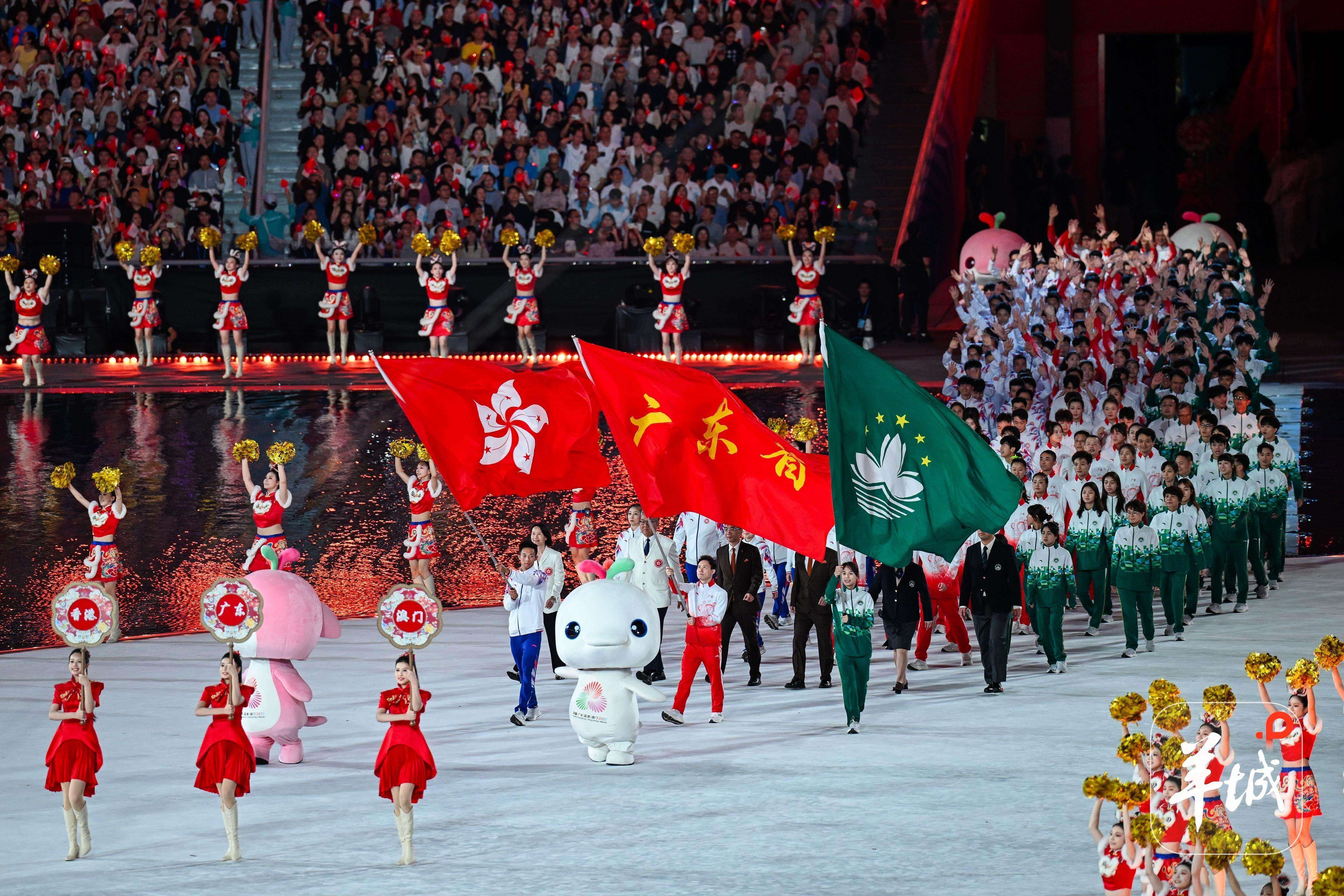
Guangdong, Hong Kong and Macao operate under three different customs territories, currencies and legal systems. According to Zhang, integrating such complex administrative units into an efficient mechanism for hosting a major sporting event required "one country" to provide overall certainty and coherence, while the "two systems" contributed diversity and flexibility.
Yeung Tak-keung, Director of the Hong Kong SAR Government's Office for the 15th National Games, remarked that the overall preparation and operation of the Games were "smooth and seamless." He attributed this to the shared goals and close cooperation among the three regions, as well as their complementary strengths: Guangdong's extensive experience in hosting large-scale events, Macao's distinctive integration of culture, sports and tourism, and Hong Kong's regular hosting of international competitions. Each region brought its strengths to the table, making up for one another's gaps.
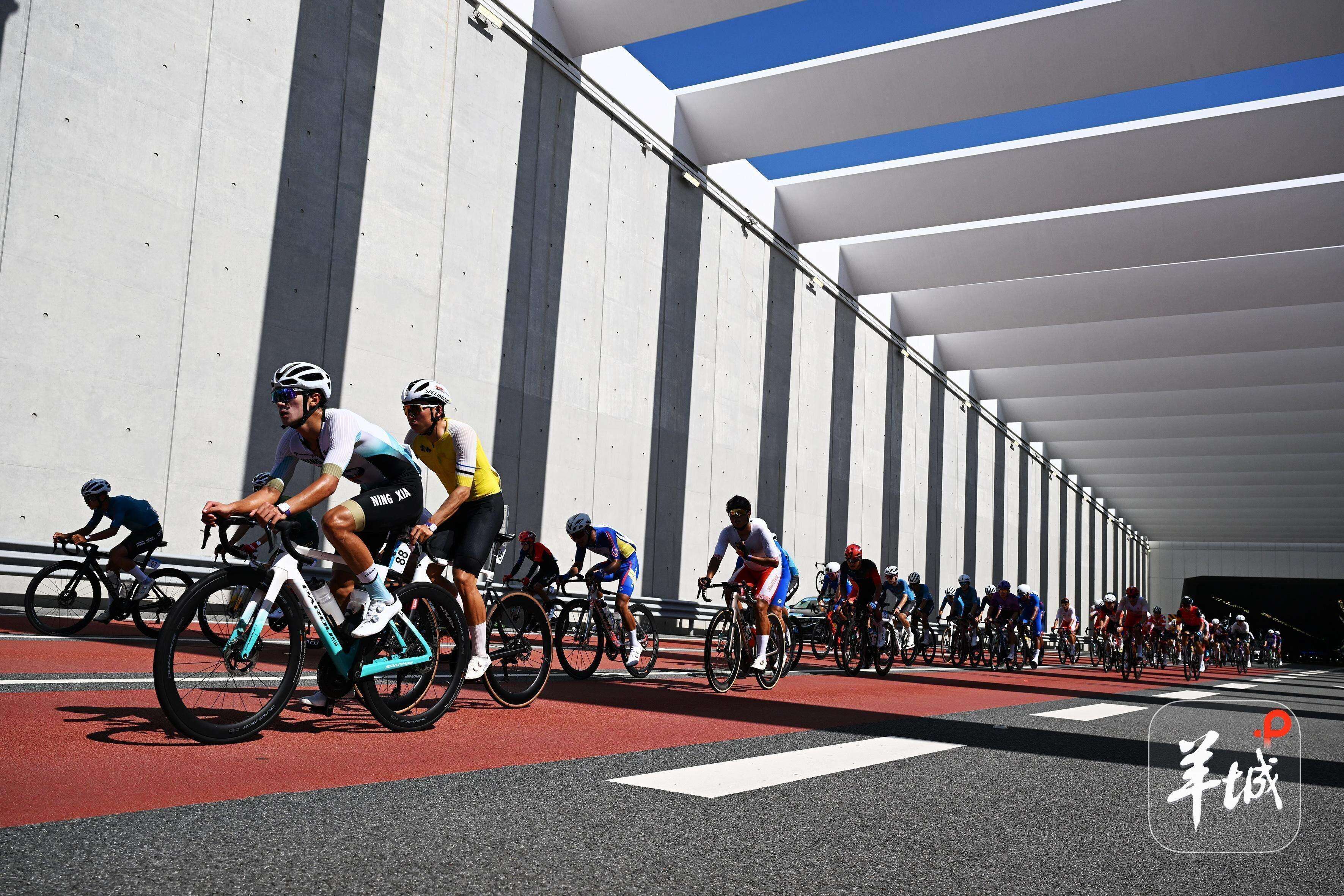
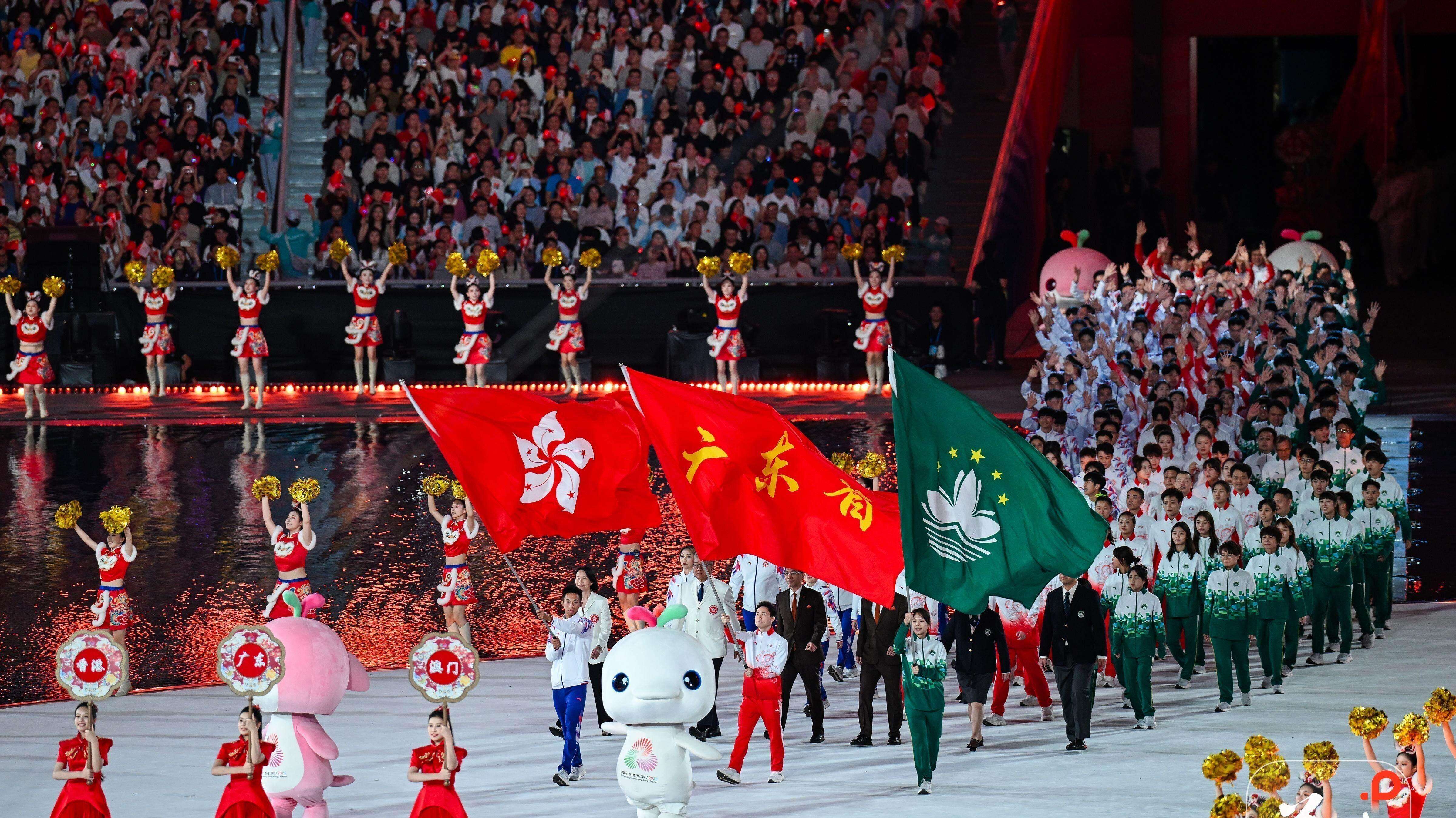
This synergistic effect, greater than the sum of the three regions' individual contributions, was vividly reflected in innovative practices and "family-like" moments on and off the field. The first-ever cross-border marathon and road cycling races in the history of the National Games were successfully completed. At the opening ceremony, delegations from Guangdong Province, the Hong Kong SAR and the Macao SAR marched in together for the first time. Samples for anti-doping tests from the equestrian events were transported across the border under full customs supervision to the Hong Kong Jockey Club Racing Laboratory. Guangdong, Hong Kong and Macao formed joint teams in dragon boat, lion dance and dragon dance events. Meanwhile, Hong Kong volunteers provided information and guidance for travelers and residents at Shenzhen Futian high-speed railway station.
一场体育盛会 一幅湾区协同的“实景图”
11月21日晚,第十五届全国运动会(以下简称“十五运会”)闭幕式在深圳举行,为期13天的体育盛会落下帷幕。全国港澳研究会理事、综合开发研究院(中国·深圳)港澳及区域发展研究所所长张玉阁表示,这种“一事三地、一策三地、一规三地”的创新突破,根本在于“一国两制”的制度优势。
粤港澳三地,涉及3个关税区、3种货币、3种法律制度。张玉阁认为,将如此复杂的行政单元整合为一个高效的办赛整体,“一国”提供了全局性与确定性,“两制”则提供了多元性和灵活性。
在香港特别行政区政府全运会统筹办公室主任杨德强看来,十五运会“整体筹备与赛事运行都非常顺畅”。这得益于三地目标一致、紧密协作,更离不开各自优势的互补——广东承办大型赛事经验丰富,澳门在文体旅融合方面独具特色,香港经常承办国际赛事,三地各展所长、互补短板。
这种“1+1+1>3”的协同效应,在赛场内外留下了众多创新实践和“一家亲”瞬间:全运会历史上首个跨境马拉松赛事、首个跨境自行车赛事顺利完赛;开幕式上,粤港澳代表团首次携手入场;马术比赛的兴奋剂检测样本在海关全流程监管下,跨境送至香港赛马会的实验室检测;粤港澳组织联队参加龙舟项目比赛和舞龙舞狮项目展演;多名香港籍志愿者在深圳福田高铁站为来往旅客和市民提供咨询与指引服务。
文丨李焕坤
译丨曾敏
英文审校丨肖凯欣
-
 Why is Shenzhen seen as 'dream factory' for high-tech enterprises?In Shenzhen, a vibrant rainforest-like innovation ecosystem is taking shape.2025-11-22 21:51:12
 -
 Guangdong-Hong Kong-Macao forge new era through collaborationA new era for sports in the Greater Bay Area (GBA)2025-11-22 21:51:12
 -
 Five highlights of 15th National Games: technology, unity, engagement, security and innovationOn November 21st, the 15th National Games concluded in Shenzhen.2025-11-22 21:51:12
 -
 Poster丨The National Games Inject New Momentum into Yangjiang's Development2025-11-21 21:28:21