


At the toy exhibition area of the third phase of the 138th China Import and Export Fair (Canton Fair), foreign buyers paused to take photos in front of a display wall of Barbie dolls at one exhibitor's booth. The company's representative was confident. "We have our own brands and a complete industrial chain. We're not afraid of imitation or copying!" Such a scene would have been unimaginable in the past, when exhibitors often posted "No Photography" signs to guard against idea theft. Today, allowing open photography has become the norm.

Behind this change is the transformation of China's toy industry from original equipment manufacturing (OEM) to original brand manufacturing (OBM). A Malaysian buyer noted that over the past decade, cooperation has shifted from contract manufacturing to branding agency, remarking that China's toys now demonstrate a completely new level of patent protection and originality. Companies such as BeiBeiTe, Robotime, and XingBao blocks have established themselves through original design, cross-sector collaboration, and intellectual property (IP) management.

The path of transformation is filled with challenges. Product design, IP promotion, and sales channel development can all pose difficulties, while expanding abroad and building brand recognition remain demanding tasks. Some enterprises choose to proceed steadily by continuing OEM production, while others pursue a dual strategy of "OEM + brand building." By withstanding price‑cutting competition, such companies gain the initiative in market pricing.

Market diversification has become a shared consensus. Affected by market fluctuations in Europe and the United States, many Chinese toy manufacturers are exploring new opportunities in Central and South America, the Middle East, and countries along the Belt and Road Initiative (BRI), developing both high‑end and mass‑market product lines according to demand. "I've been in the toy industry for more than 20 years, and the Canton Fair is always where I can find products suited to every market," said Mike, a buyer from the United Kingdom who sources toys for supermarkets across Europe and the Middle East." China's toys have become better in quality, more cost‑effective, and increasingly competitive on the global stage."

From an emphasis on "low cost" to a focus on "original design" and "brand value," from fear of photography to open display, and from contract manufacturing to self‑owned IP, China's toy industry is undergoing a profound transformation.
从广交会看中国玩具转型“出海”的底气
第138届广交会第三期玩具展区,一家企业的娃娃展示墙前,境外采购商随意拍照,企业负责人底气十足:“我们有自主品牌和完备产业链,不怕仿冒抄袭!”这一幕在从前难以想象——过去企业常贴“请勿拍照”防创意被盗,如今主动开放拍照成常态。
这背后是中国玩具产业从“代工制造”到“原创品牌”的转型。马来西亚采购商倪安怡感慨,十年间从找代工变做代理,中国玩具专利与原创力今非昔比。贝贝特、若态、星堡积木等企业纷纷亮相,通过原创设计、跨界合作、IP运营突围。
转型之路布满挑战,设计、IP推广、渠道搭建皆是难题,海外拓展与品牌辨识度打造压力不小。部分企业选择稳扎稳打,深耕代工;也有企业走“代工+品牌”并行路线,顶住价格战压力后掌握定价主动权。
市场多元化成为共识。受欧美市场波动影响,企业纷纷开拓中南美、中东及“一带一路”国家等新市场,按需打造高低端产品矩阵。“我从事玩具行业20多年,在广交会总能找到符合各国需求的产品。”来自英国的采购商Mike说,他同时为欧洲、中东等多个国家和地区的商超采购玩具,“中国玩具近年来质量更好、性价比更高,在全球具备很强竞争优势”。
从强调“低成本”到聚焦“原创设计”“品牌价值”。从怕人拍照到大方展示,从代工贴牌到自有IP,中国玩具产业正在经历一场深刻的转型。
统筹 | 刘佳宁 孙绮曼
文、图 | 记者 孙绮曼 扶贝贝 实习生 杨雅淇
翻译 | 钟佳
审校 | 林佳岱
-
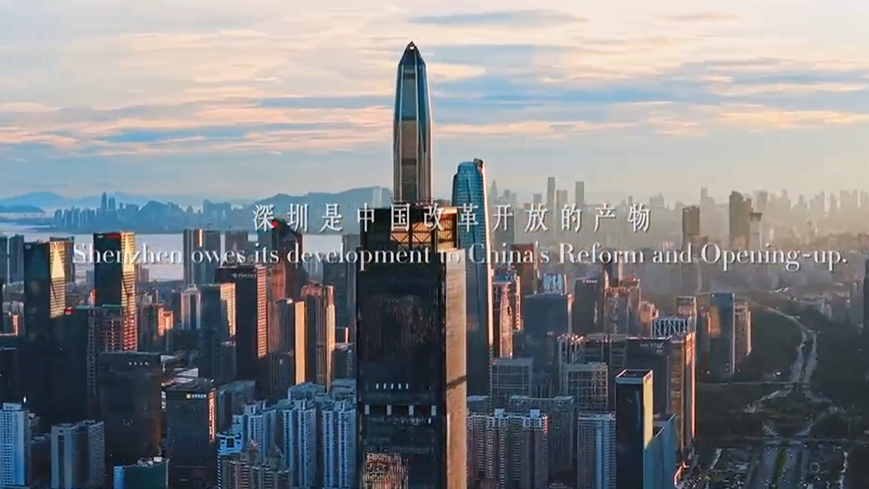 Opinion丨Why Shenzhen? The story behind host city of 2026 APEC Economic Leaders' MeetingThe 33rd Asia-Pacific Economic Cooperation (APEC) Economic Leaders' Meeting will be held in Shenzhen in November next year.2025-11-02 22:25:07
 -
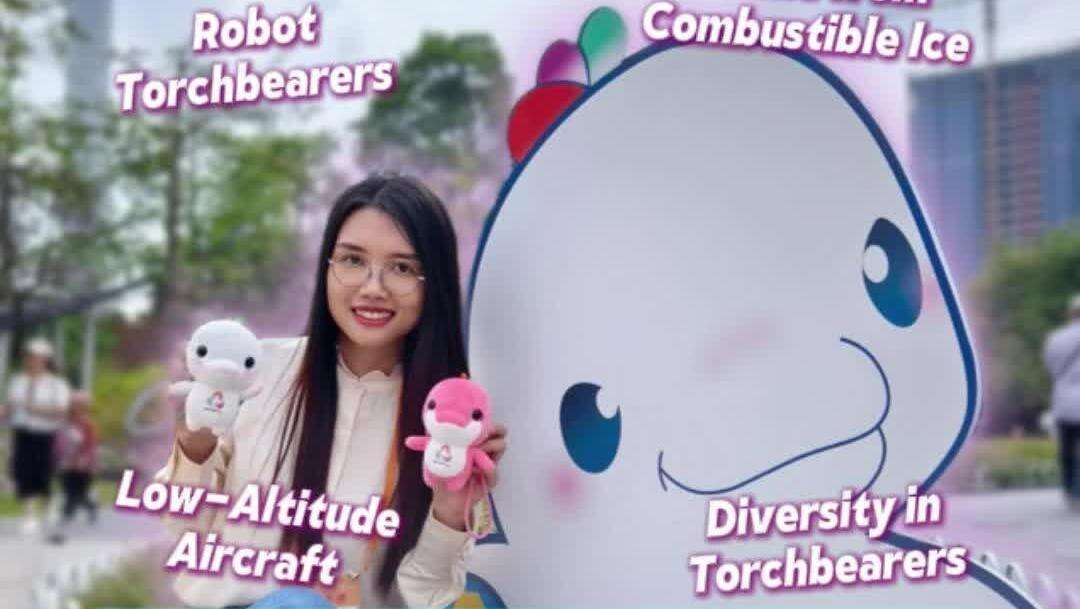 YTalk137 | China's National Games' flame is igniting GBA!Flame from combustible ice, robot torchbearers, low-altitude aircraft, diversity in torchbearers…Here are the highlights of the torch relay that you can't miss. 11月2日,第十五届全国运动会火炬传递以“三地联动、四城同传”的创新姿态,同步点亮香港、澳门、广州、深圳四个城市。可燃冰取火种、机器人火炬手、低空飞行器接力、多元化火炬手、广深港澳同传……十五运火炬传递全程高能!2025-11-02 21:52:36
 -
 Video | Denis Bastieri, Italian torchbearer in Guangzhou:Hoping for more records be broken!"I hope many records to be broken at the National Games!" said Denis Bastieri, the Italian torchbearer at the Guangzhou segment of National Games Torch Relay, after completing his run. “期待新的纪录在全运会诞生!”全运会火炬传递广州站唯一外籍火炬手巴丹尼完成火炬传递,接受Pearl记者专访时直言心情非常激动,“对我们(火炬手)来说完成了一件大事,这也全运会的新起点,因为新的赛事即将开启!”2025-11-02 21:52:36
 -
 Video | China’s 15th National Games will become a new calling card for Guangzhou!Denis Bastieri, the only foreign torchbearer of the Guangzhou leg of China’s 15th National Games: “The Games will become a new calling card for Guangzhou!” He also said he’s ready to enjoy every second of tomorrow morning’s torch relay! 全运会广州站唯一外籍火炬手巴丹尼(Denis Bastieri):全运会将成为广州的新名片!11月1日,在中华人民共和国第十五届运动会火炬手大会(广州站)上,巴丹尼表示将享受明天上午火炬传递的每一秒!2025-11-01 23:10:03