


Amid dotted and sporadic outbreaks of the chikungunya virusin many places, transmitted by the Aedes albopictus mosquito, a facility in Guangzhou's Huangpu District nicknamed the "mosquito factory", is working overtime. Guangzhou Wolbaki Biotech Co., Ltd. (hereinafter referred to as Wolbaki) produces 5 million sterile male mosquitoes per week to biologically disrupt the reproduction chain of disease-carrying mosquitoes.
Inside a temperatureandhumiditycontrolled laboratory, millions of mosquito eggs float in a nutrient solution. Robotic arms precisely sort pupae, and an automated pupae sex sorter filters out male pupae with an error margin of less than 0.5%. As the pupae mature into adults, the final error rate of male mosquitoesdrops below 0.3%.
According to the company, the mosquitoes it cultivates are Wolbachia-infected "sterile males". When these males mate with wild females that are uninfected, their eggs fail to develop due to a phenomenon known as cytoplasmic incompatibility, rendering them nonviable and unable to hatch into larvae.
More ingeniously, this bacterium is passed down maternally. Wolbaki first screens for females that stably carry the Wolbachia strain and establishes a colony. After mass breeding, hundreds of thousands of infected males are periodically released into targeted areas.
Since female mosquitoes typically mate only once in their lifetime, a single encounter with a "sterile male" renders all subsequent egg-laying ineffective. This means that with continuous releases over a few generations, the mosquito population in the area can be significantly decreased. Under normal circumstances, this technology can reduce mosquito numbers by half within three weeks and sharply decline wild mosquito densities by over 80% within six to eight weeks.
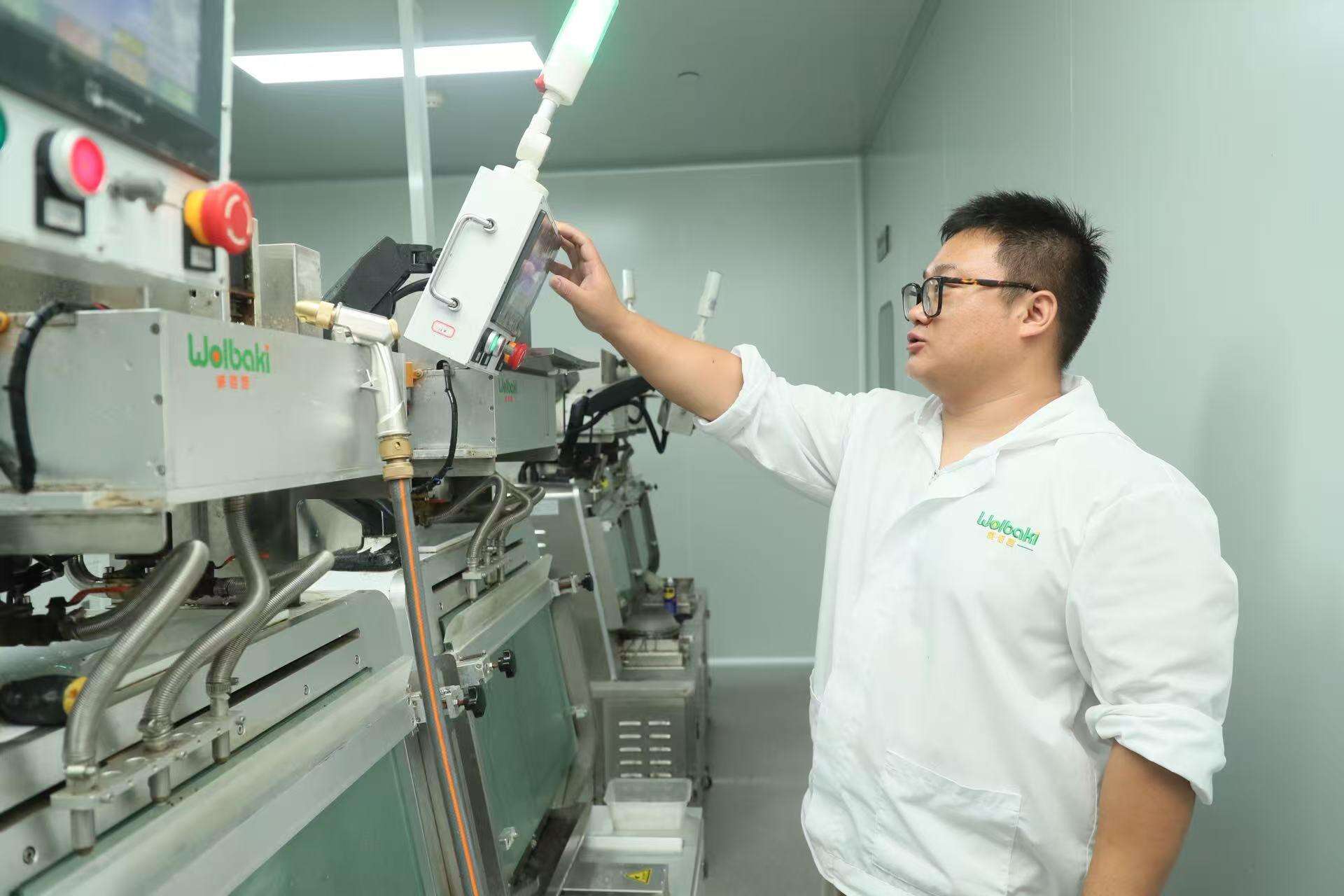
广州“蚊子工厂”加急产百万只“绝育雄蚊”:交配后使雌蚊的卵失效
近期,由白纹伊蚊传播的基孔肯雅病毒在多地点状散发。在广州市黄埔区,被誉为“蚊子工厂”的广州威佰昆生物科技有限公司(以下简称“威佰昆”)周产五百万只“绝育雄蚊”,以生物技术阻断蚊媒繁衍链。
记者在恒温恒湿的实验室看到,数百万蚊卵在营养液中沉浮,自动化机械臂精准分拣蛹虫,自动蚊蛹雌雄分离机筛选出雄蛹,误差率低于0.5%,最终羽化得到的雄蚊误差率低于0.3%。
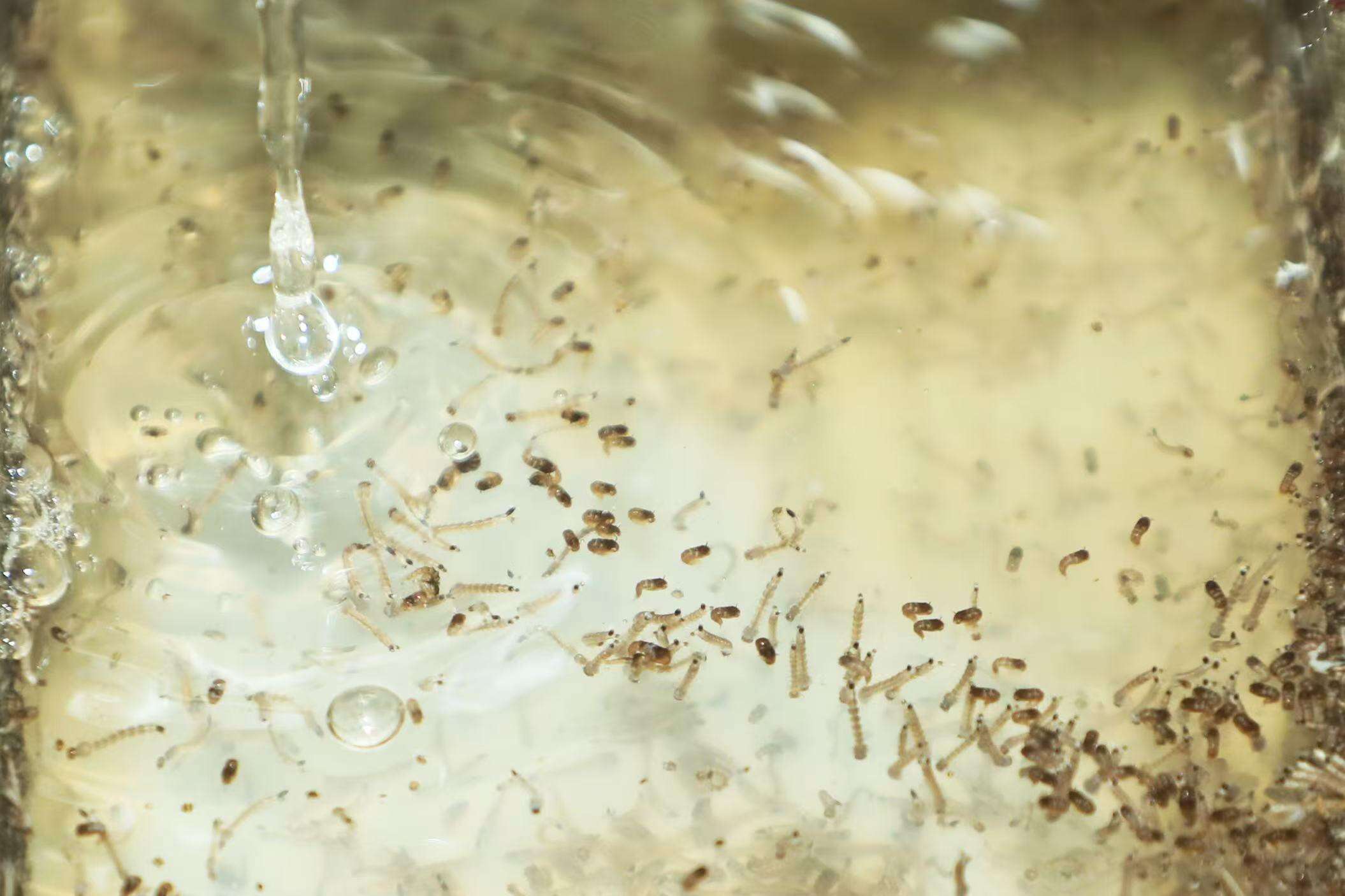
据介绍,该企业培育出来的是携带沃尔巴克氏体的“绝育雄蚊”,与未携带该菌的野生雌蚊交配时,由于胞质不相容现象,所产的卵不能正常发育,无法孵化出幼蚊。
更巧妙的是,这种细菌可通过母系遗传。威佰昆首先筛选出稳定携带该菌的雌蚊,建立种群,大规模繁育后,再将数十万计携带菌株的雄蚊定期释放到目标区域。
由于雌蚊一生通常只交配一次,一旦与“绝育雄蚊”结合,其产卵便宣告无效。这就意味着,只要经过几代持续释放,目标区域的蚊子种群数量会大幅减少。据介绍,一般情况下,通过该项技术三周内蚊子数量可减半,6-8周内野生蚊群密度能骤降80%以上。
文|记者 卢佳圳 通讯员 徐洁芹
图|李剑锋
翻译丨钟佳
审校丨肖凯欣
-
 Explore Guangdong with the 15th National Games | Shanwei: Dive into Ocean Sports and Discover Coastal CharmDiscover its unique attractions of seaside glamour, mountain escapes, and revolutionary heritage.2025-08-06 21:10:52
 -
 One-Click Transformation! Immersive Fashion Shows, Exhibitions, and Heritage Displays at Bai'etanThe 2025 Guangdong-Hong Kong-Macao Greater Bay Area Intangible Cultural Heritage Brand Event recently was held at the Bai'etan Greater Bay Area Art Center in Guangzhou, fusing heritage depth with contemporary flair in a dazzling showcase.2025-08-06 21:10:52
 -
 Guangzhou Nansha: "Nansha's Rising Sun" Shines on the GBA, Where Urban Development Harmonizes With the Ocean in Cantonese StyleNansha perches between mountains and sea, resonating with echoes of the ancient Maritime Silk Road while steering its modern destiny as a pivotal oceanic gateway.2025-08-06 21:10:52
 -
 YTalk 123 | John Rabe: The "Oskar Schindler of Nanjing"The film "Dead to Rights" is currently in theaters, bringing renewed attention to one of the darkest tragedies in human history – the Nanjing Massacre.2025-08-06 18:25:56