



Japanese Prime Minister Sanae Takaichi's erroneous remarks on Taiwan – coupled with her accelerated push to expand Japan's military capabilities – have raised growing concerns that she is steering the country toward reviving its notorious militarist past.
At a Diet meeting on November 7, Takaichi claimed that the Chinese mainland's "use of force on Taiwan" could constitute a "survival-threatening situation" for Japan, implying the possibility of Japan's armed intervention in the Taiwan Strait.
Her remarks have revived memories of Japan's past imperialist aggression and once again exposed the country's military ambitions. Historically, Japan has launched invasions under the pretext of safeguarding so-called national survival – most notably its brutal war of aggression against China from 1931 to 1945. Those wars triggered genuine survival crises across Asia and inflicted immeasurable suffering on the region and beyond.
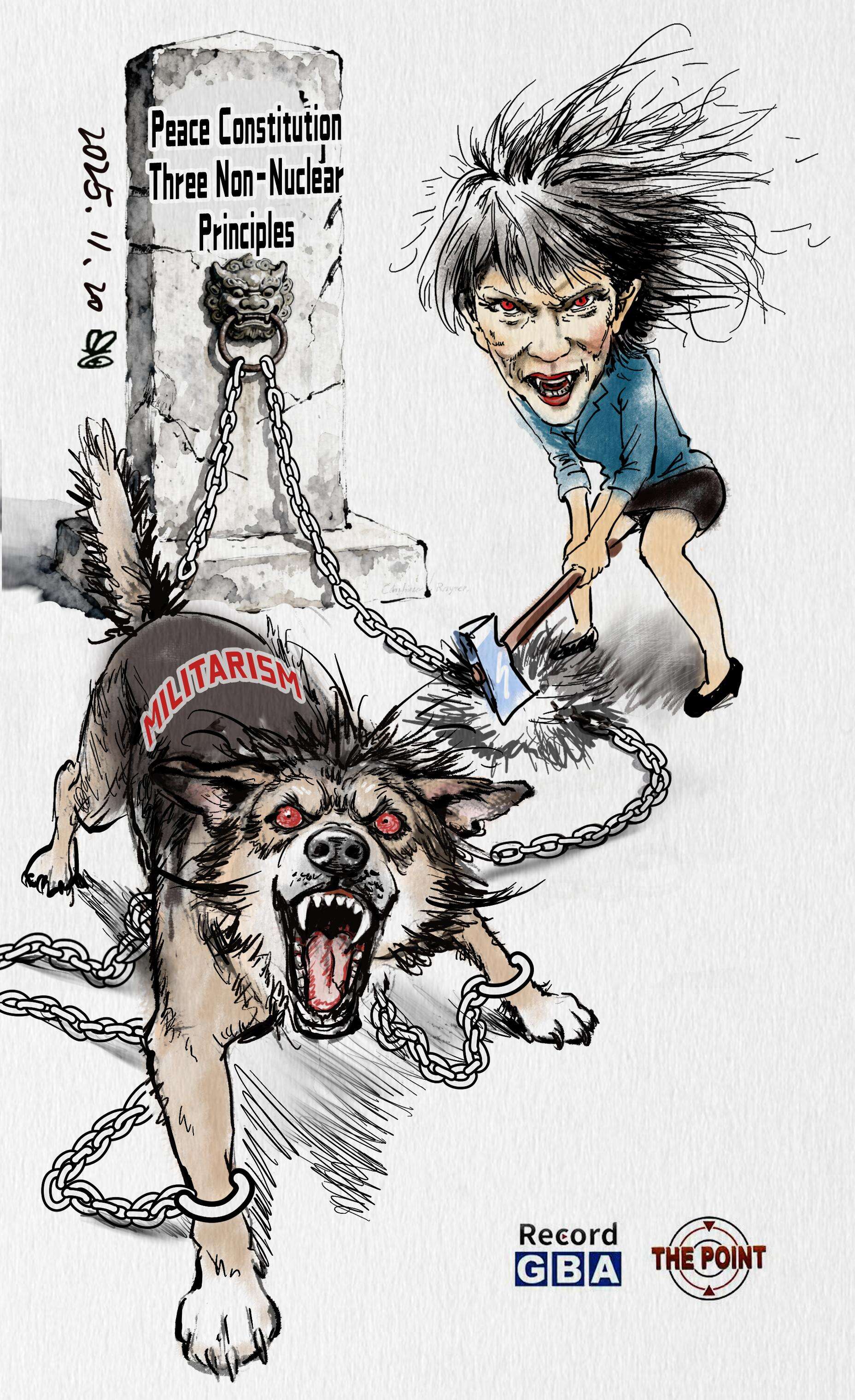
Since taking office, Takaichi has pressed ahead with an unprecedented expansion of Japan's military posture: pushing for record-high defense spending, loosening arms-export restrictions, and even signaling a willingness to consider revisiting Japan’s long-standing non-nuclear principles. Such moves suggest an unmistakable attempt to move far beyond the nation's postwar restraints.
日本首相高市早苗对台湾问题发表错误言论,加之她加速推进日本军事力量扩张的举措,引发了越来越多的担忧,人们担心她正带领国家重走其臭名昭著的军国主义老路。
在11月7日举行的国会会议上,高市早苗声称中国大陆在谋求统一过程中“动用武力”可能给日本构成“存亡危机事态”,暗示了日本对中国的统一进程进行武装干预的可能性。
她的言论重新唤醒了人们对日本过去帝国主义侵略行为的记忆,并再次暴露了该国在军事方面的野心。历史上,日本曾多次以所谓“存亡危机事态”为借口发动侵略战争——包括1931年至1945年间在中国发起长达14年的侵略战争。这些战争给亚洲各国带来了真正的“存亡危机”,给该地区乃至更广范围带来了深重的苦难。
自上任以来,高市早苗一直在推动日本军事姿态前所未有的扩张:力促国防支出达到创纪录高位、放宽武器出口限制,甚至暗示有意考虑重新审视日本长期秉持的“无核三原则”。这些举措表明,她显然有意超越该国战后所受的种种约束。
综合新华社、CGTN
文案丨赵鹏
漫画丨宗宁 刘苗
-
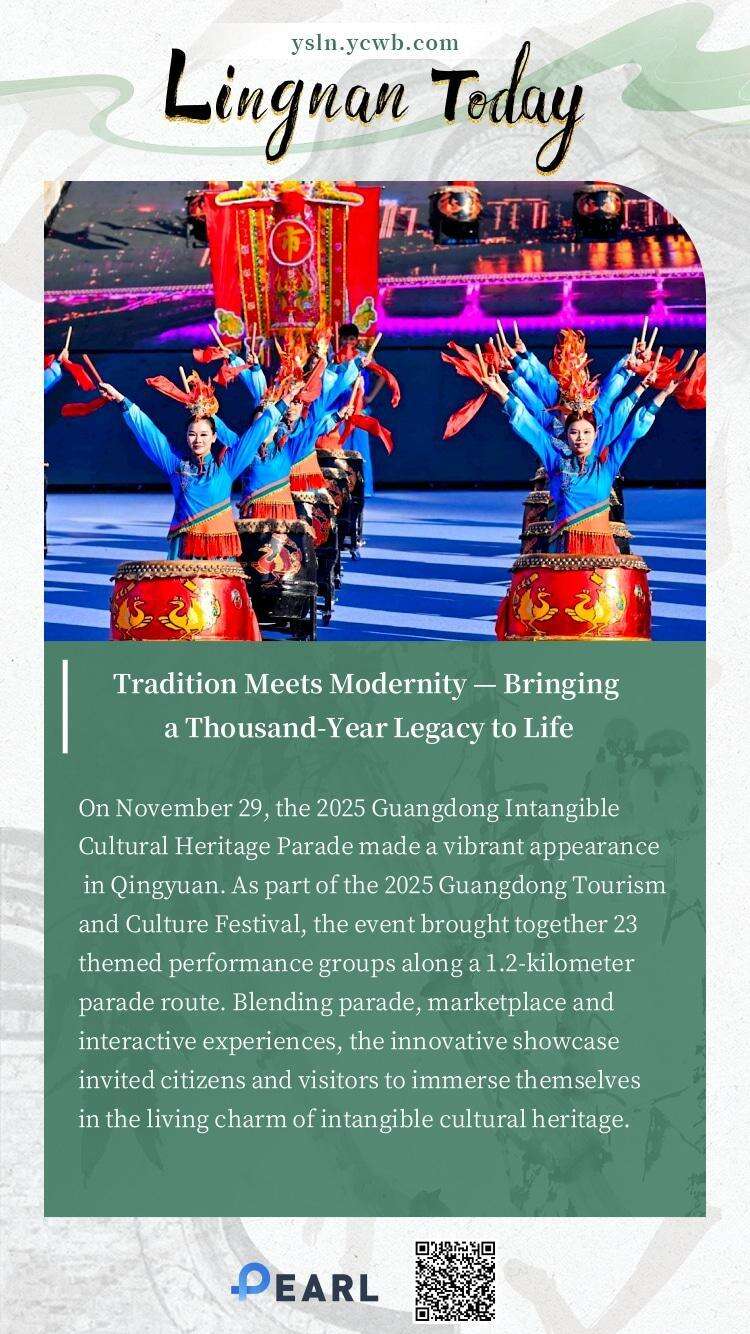 Poster | Tradition Meets Modernity — Bringing a Thousand-Year Legacy to Life2025-12-05 22:03:40
 -
Geometry in the Deep Blue: Decoding the Marine EconomyFishing boats cut across the deep-blue sea, leaving behind diamond-shaped ripples.2025-12-05 21:10:07
-
Xiaolin Comics Special Exhibition at Baiyun Hits Yunluo Botanical GardenRenowned cartoonist Lin Dihuan (Xiao Lin) has brought his special exhibition “This is Baiyun” into Guangzhou Yunluo Botanical Garden, creating a unique crossover experience where a comic exhibition meets a flower exhibition.2025-12-05 21:10:07
-
Tradition Meets Modernity — Bringing a Thousand-Year Legacy to LifeOn November 29, the 2025 Guangdong Intangible Cultural Heritage Parade made a vibrant appearance in Qingyuan.2025-12-05 21:10:07