


In just nine milliseconds, the electrical energy generated by the melting snow on the Qinghai-Xizang Plateau, known as "the roof of the world," can be transmitted across thousands of kilometers to light up the Guangdong-Hong Kong-Macao Greater Bay Area (GBA). On September 16th, the highly anticipated construction of the ±800 kV ultra-high-voltage direct current transmission project from southeastern Xizang to the GBA officially began. A 2,681-kilometer-long "power highway" is now under construction, linking the Qinghai-Xizang Plateau with the dynamic GBA. Once completed, this project will deliver over 43 billion kilowatt-hours of clean electricity annually to the region.

The significance of this project goes far beyond its speed. Nine milliseconds means an imperceptible blink of an eye to humans. Yet, it marks a milestone in China's advancement toward achieving sci-tech self-reliance and self-strengthening at higher levels in the power industry. The project must cross the Qinghai-Xizang Plateau, the Yunnan-Guizhou Plateau, and the hilly terrain of south China, with nearly 90% of the entire transmission line passing through mountainous areas, and 30% through high-altitude ridges. Theprojectfaces world-class challenges, including the development of new technologies for direct current transmission at an ultra-high altitude of 4,300 meters and tackling core technologies for integrating 20 million kilowatts of new energy into a weak grid and transmitting it via direct current.
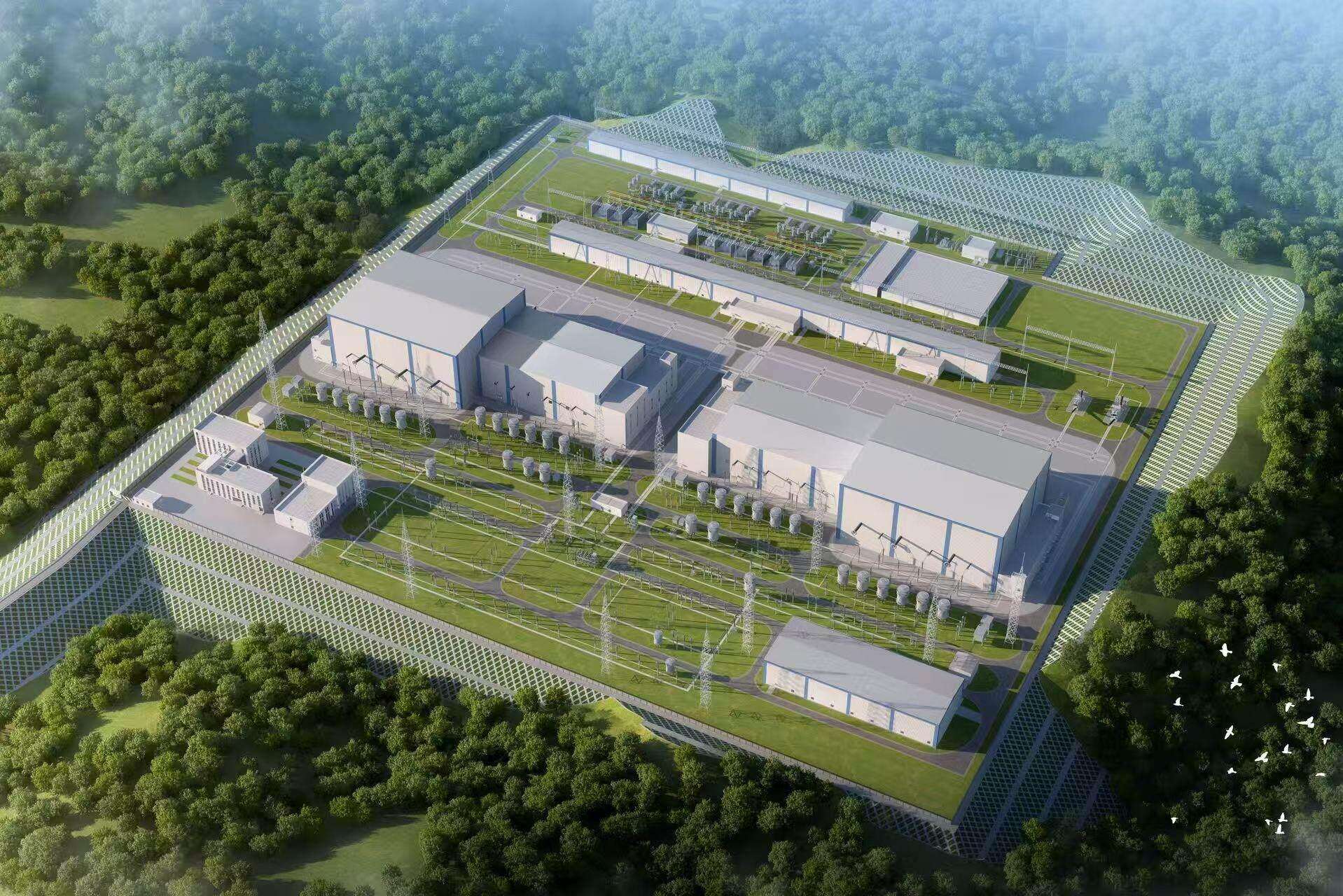
Given that the line passes through vast, sparsely populated, and uninhabited areas, the project has been strategically designed with a focus on digitalization and intelligence. The goal is to explore designs that require minimal or even no maintenance, while fully using machines to replace human workers throughout the construction and operation phases. By leveraging technologies such as digital twins, the project aims to achieve synchronized design, construction, and handover of digital andphysical engineering, fundamentally addressing the global challenge of maintenance in uninhabited areas.
Source:PEARL
藏粤直流输电工程“9毫秒闪送”,其意义不止于快
仅需9毫秒,世界屋脊的雪山融水发出的电能便能闪送千里之外,化作粤港澳大湾区的璀璨灯火。9月16日,备受瞩目的藏东南至粤港澳大湾区±800千伏特高压直流输电工程正式启动建设。一条长达2681公里的电力“天路”,正在连接“世界屋脊”青藏高原和充满活力的粤港澳大湾区,建成后,每年可为粤港澳大湾区输送清洁电能超过430亿千瓦时。
这一工程的意义,远不止于“快”。9毫秒,是人类感知之外的瞬间,却是中国电力推进高水平科技自立自强的又一里程碑。工程要跨过青藏高原、云贵高原和华南丘陵三级地理阶梯,全线近90%为山地、30%为高山大岭,还要面临4300米超高海拔直流输电新技术研发、2000万千瓦级新能源并入弱电网与直流送出核心技术攻关等世界级挑战。
面对线路穿越的大量少人区、无人区,工程在设计和建设之初就前瞻性地布局数字化和智能化。旨在探索少维护、免维护设计,并在建设运维全过程中全面推广“机器代人”。通过深化数字孪生等技术的应用,实现数字工程与实体工程同步设计、同步建设、同步移交,从根本上解决无人区运维难的世界性挑战。
文|记者 李妹妍 董鹏程 陈泽云 程行欢 通讯员 黄勇华
图|受访者供图
译|黄宇洁
英文审校|王枥焓
-
Guangdong Launches Three-Year Bird Protection Campaign: 29 Departments Join Forces to Crack Down on Illegal Hunting and TradeAwareness campaigns on bird conservation will also be carried out in depth, fostering a social atmosphere in which everyone feels responsible for loving and protecting birds.2025-09-17 21:17:55
-
Singapore’s NEWFOUND Stuns at Humen Fashion Show! Eastern Elegance Wows the Fashion WorldOn September 15, Singaporean designer brand NEWFOUND held its 2026 Spring Summer "Eastern Elegance" Fashion Presentation at Humen Convention and Exhibition Center in Dongguan.2025-09-17 21:17:55
-
 Guangdong's listed companies shift from selling to making and buying globally"Already overseas or on the move"—this is becoming a vivid snapshot of Guangdong's listed companies venturing abroad.2025-09-16 21:54:51
 -
 Video|Xizang-Guangdong Direct Current Project Launch, Deliver over 43 billion kWh of electricity annuallyOn September 16, the construction of the world's largest clean energy base DC transmission project, the ±800 kV (UHVDC) transmission project from southeastern Xizang to the Guangdong-Hong Kong-Macao Greater Bay Area, was officially launched.2025-09-16 21:25:24