


In 1587, the ancestors of Raoping county in Chaozhou reached a major milestone by building their own family "fortress"—Daoyun Lou. Over four centuries, this architectural marvel has borne witness to the evolution of eastern Guangdong's society and the integration of communities. With its unique structural value, it has become a cultural landmark of Lingnan. Today, with the implementation of the "Hundred-Thousand-Ten Thousand Project"—an initiative aimed at promoting the high-quality development of one hundred counties, one thousand towns, and ten thousand villages—this key historical and cultural site under national-level protection is taking on a renewed life.
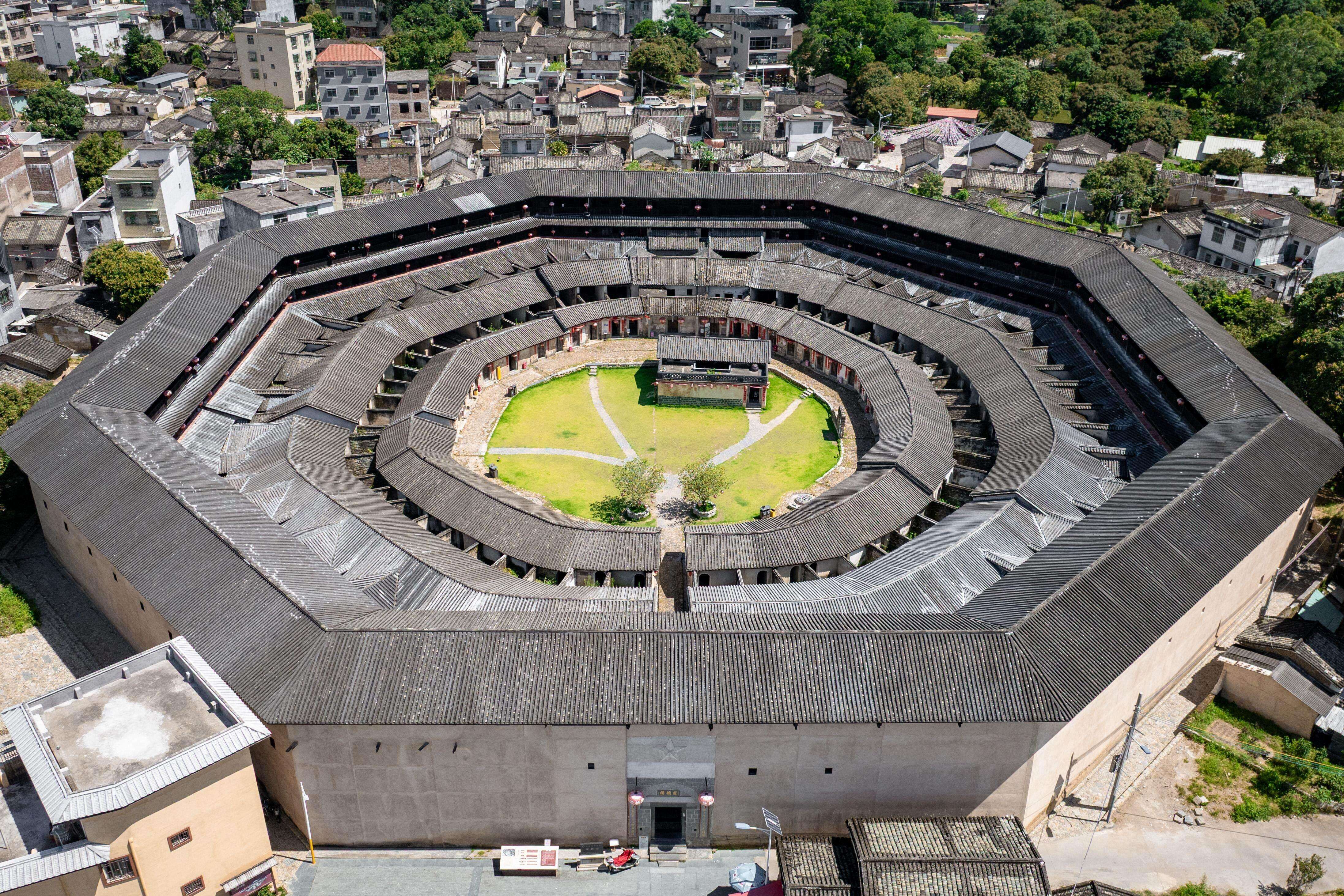
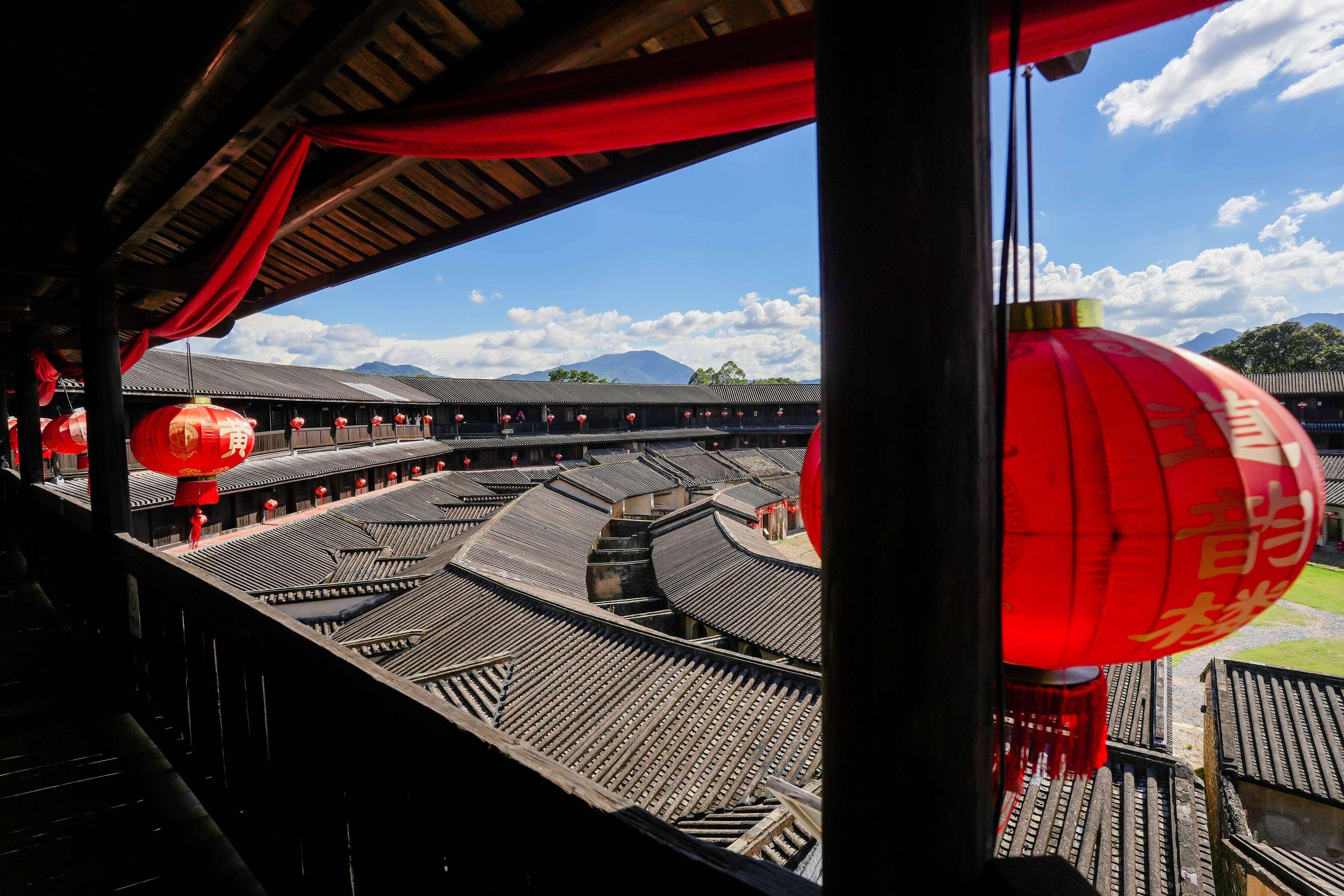
Viewed from above, eight trapezoidal sections enclose a regular octagon covering over 10,000 square meters. Each unit is intricately designed with a three-section layout and two courtyards. The front and middle sections are spacious one-story dwellings, while the rear section rises into a three-story structure. This layered configuration reflects the elegance of what is now recognized as the largest octagonal earthen building ever discovered in China. In 2006, it was included in the sixth batch of China's key historical and cultural sites under national-level protection.
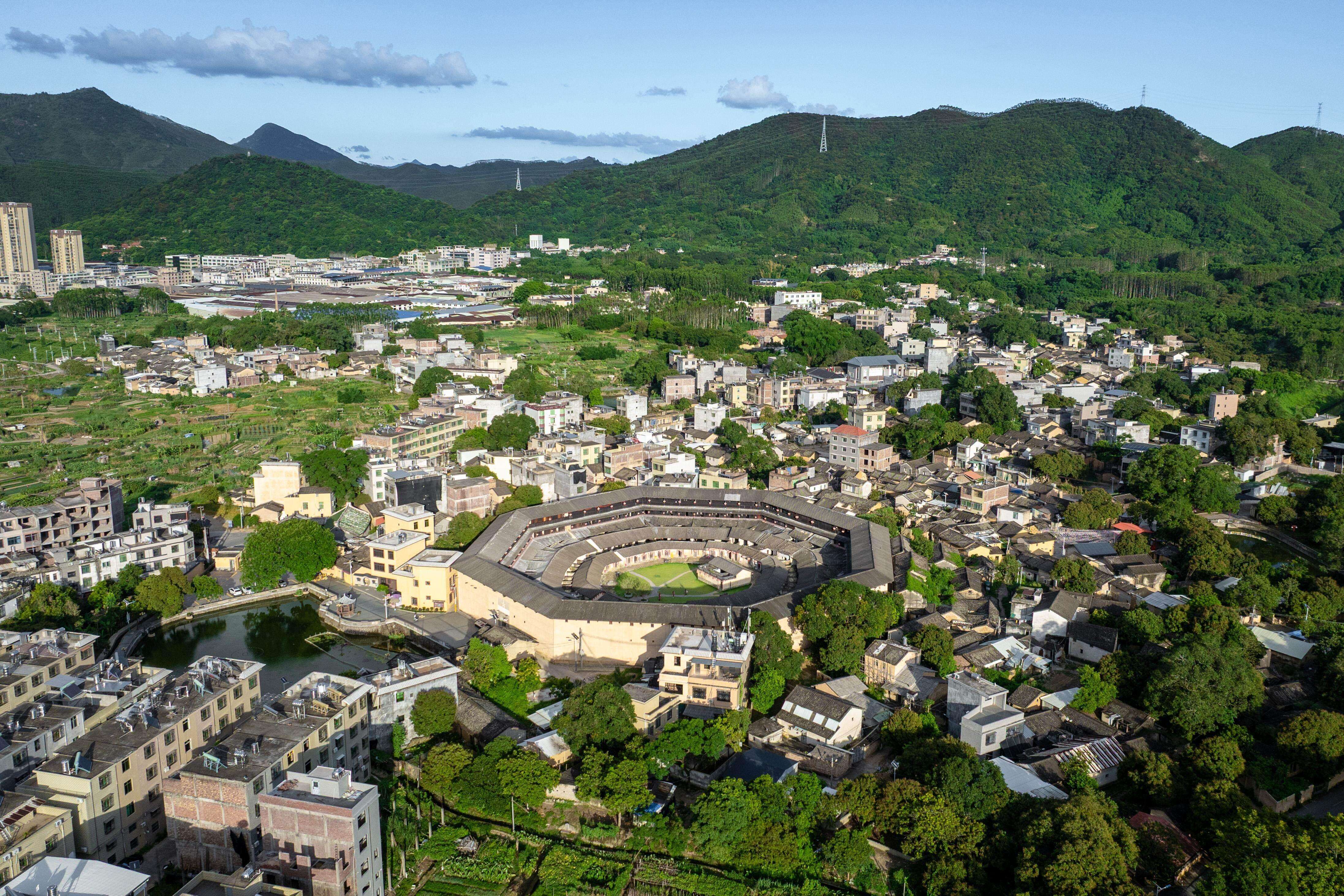
Over time, dynastic changes, natural erosion, and human activities caused varying degrees of damage to the building. Records show that Daoyun Lou has undergone multiple repairs since 1918. The most comprehensive and systematic renovation began in January 2020. After nearly four years of reinforcement and preservation work, it officially reopened to the public during the 2024 Chinese New Year.
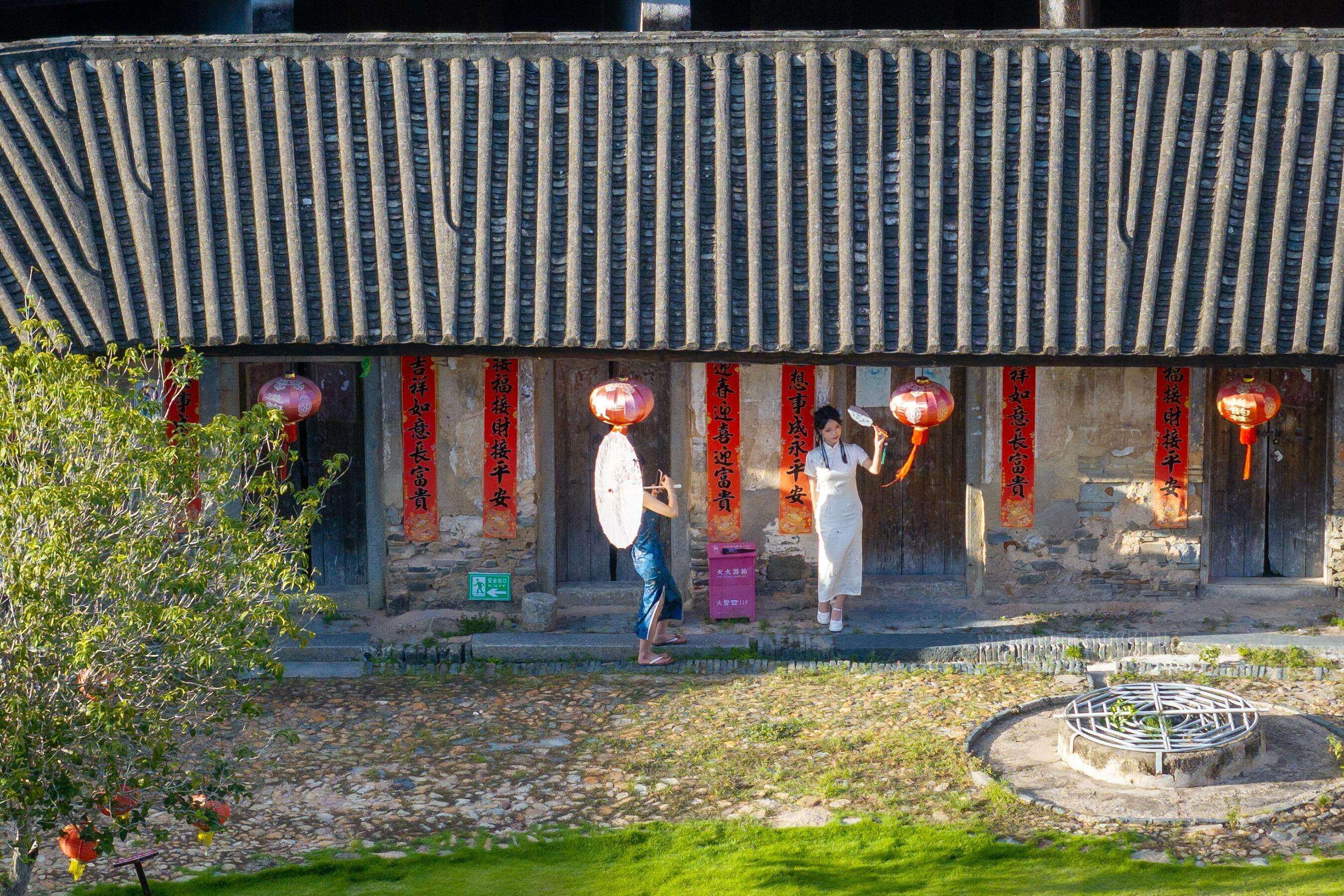
"During the 2025 Chinese New Year holiday, about 3,000 people visited Daoyun Lou every day. For the sake of preservation, access to the second and third floors is strictly limited to no more than 50 to 60 visitors at a time," said Huang Shuzhang, Party secretary of Nanlian Village, Sanrao Town, Raoping county. As a key cultural tourism attraction in Raoping, Daoyun Lou has brought new life to centuries-old architecture and now serves as a vital platform for the public to appreciate the ancient architecture of eastern Guangdong.
乡见国宝 | 潮州饶平道韵楼:原来你是这样的“八边形战士”!
万历十五年(公元1587年),潮州饶平的先民迎来了家族的重要节点,拥有了自己的“城堡”——道韵楼。四个多世纪来,道韵楼见证粤东社会发展、族群交融,更以其独特的建筑价值,成为岭南的文化地标。如今,随着广东“百千万工程”的实施推进,这座全国重点文物保护单位,不断焕发新颜。
从高处俯瞰,八个梯形单元围合成一个面积上万平方米的正八边形。楼内每个开间皆被精心设计为三进两天井,前、中进为宽敞平房,后进则是三层高楼,错落间透出这座“中国迄今发现最大的八角形土楼”的古雅大方。2006年,它被列入第六批“全国重点文物保护单位”。
随着朝代变迁、自然灾害侵蚀和其他人为因素影响,该楼受到不同程度的损坏。据显示,从1918年至今,道韵楼经历了数次维护修缮,最新、最具系统性的一次是2020年1月启动的保护修缮工程。经过近4年的修缮加固,2024年春节,道韵楼面向社会公众重新开放。
“据统计,2025年春节假期期间,每天约有三千人走进道韵楼。出于保护文物的需要,楼内二、三层严格控制人流,最多容纳五六十人同时参观。”黄淑章表示,作为饶平县重点打造的文旅名片,如今的道韵楼实现了百年建筑的活化利用,也成为公众领略粤东古建筑艺术的重要平台。
文 | 记者 梁善茵 朱绍杰
拍摄 | 记者 梁喻(除署名外)
出镜 | 记者 周欣怡
视频脚本 | 记者 梁善茵 朱绍杰
视频制作 | 记者 方浩 梁岚 麦宇恒
外联 | 记者 曾柯权
译丨曾敏
英文审校丨林佳岱
总策划 | 任天阳
总统筹 | 林海利
监制 | 陈桥生
策划 | 邓琼 吴小攀
统筹 | 朱绍杰


-
Poster丨Guangzhou Zoo Debuts a Camping Activity, Revealing Hidden Animal Kingdom
2025-07-14 21:45:33 -
Poster丨Whispers of Ancient Tree
2025-07-09 21:18:01 -
Poster丨Barringtonia acutangula in Bloom at People's Park in Guangzhou Draws Nighttime Crowds
2025-07-08 21:55:53 -
Poster丨Charming New Guangzhou, Passionate 15th National Games! National Games Breeze Sweeps Flower City
2025-07-07 21:18:20